

China’s Galactic Energy raises $200 million for reusable launch vehicle development
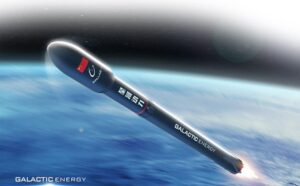
Chinese commercial rocket maker Galactic Energy raised $200 million in two funding rounds during the second half of 2021, the company announced Monday.
If launched by 2028, a spacecraft could catch up with 'Oumuamua in 26 years
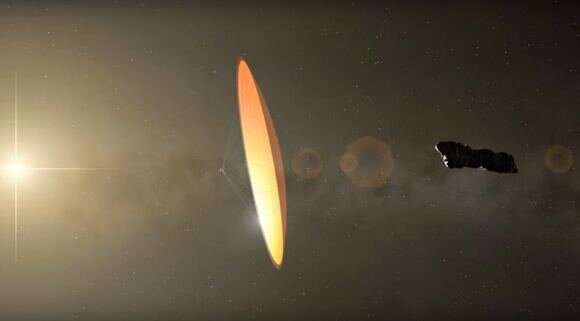
In October 2017, the interstellar object 'Oumuamua passed through our solar system, leaving many questions in its wake. Not only was it the first object of its kind ever observed, but the limited data astronomers obtained as it shot out of our solar system left them all scratching their heads. Even today, almost five years after this interstellar visitor made its flyby, scientists are still uncertain about its true nature and origins. In the end, the only way to get real answers from 'Oumuamua is to catch up with it.
Interestingly enough, there are many proposals on the table for missions that could do just that. Consider Project Lyra, a proposal by the Institute for Interstellar Studies (i4is), which would rely on advanced propulsions technology to rendezvous with interstellar objects (ISOs) and study them.
ESA supports the White House on greenhouse gas monitoring
When Joe Biden was inaugurated as President one year ago, he fulfilled his promise to rejoin the Paris Agreement and set a course for the US to tackle the climate crisis by supporting global efforts to limit global warming. ESA recently joined the President’s Council of Advisors on Science and Technology by public video link to share European plans and expertise on measuring carbon dioxide and methane from space.
Webb flies Ariane 5: from preparation to liftoff at Europe’s Spaceport
 Video:
00:03:10
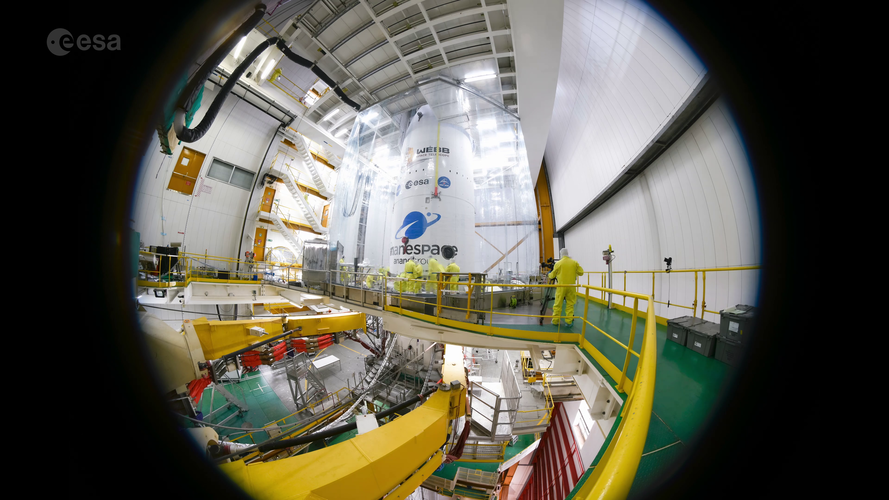
Timelapse of the James Webb Space Telescope from preparation to liftoff on Ariane 5 at Europe’s Spaceport on 25 December 2021.
Video:
00:03:10
Timelapse of the James Webb Space Telescope from preparation to liftoff on Ariane 5 at Europe’s Spaceport on 25 December 2021. Phase Four and Orbit Fab to work on Maxwell engine refueling
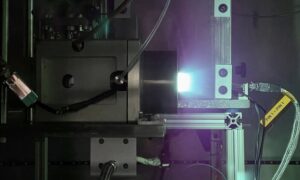
Propulsion startup Phase Four has signed a memorandum of understanding with satellite refueling startup Orbit Fab aimed at preparing future Phase Four Maxwell engines for on-orbit refueling.
The post Phase Four and Orbit Fab to work on Maxwell engine refueling appeared first on SpaceNews.
Webb's journey to L2 Is nearly complete
Even after James Webb Space Telescope launch, astronomers still on the edge of their seats
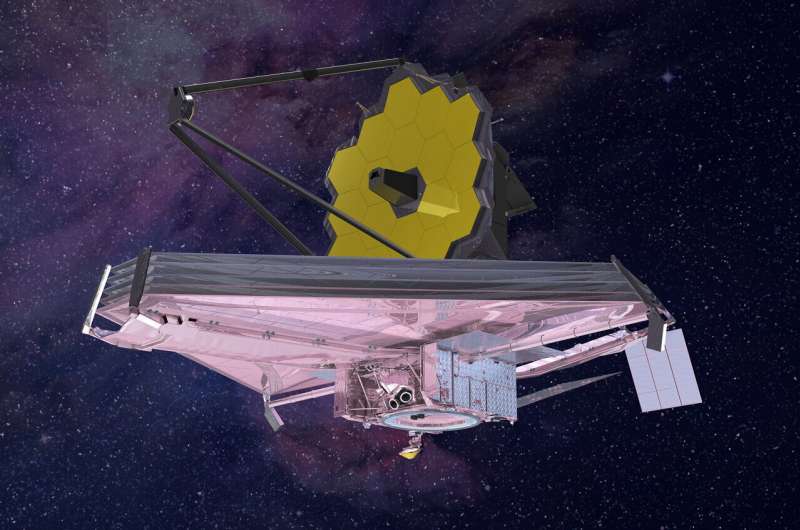
So far, 2022 may feel like a mixed bag—however, if you're an astronomer this year has already been exciting. That's because December 25, 2021 brought a highly anticipated gift, two decades in the making, with the launch of the James Webb Space Telescope (JWST).
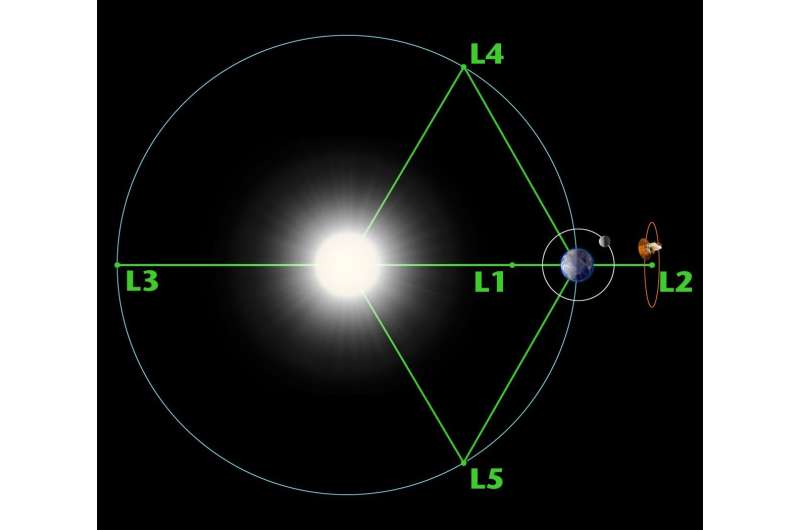
Now the telescope is en route to its final location, called L2 (Lagrange Point 2). That's nearly 1 million miles away, so it will be a few anxious months of anticipation for astronomers and the rest of us here on the pale blue dot.
Jon Trump, associate professor in the Department of Physics, is one of those excited astronomers, and he met with UConn Today to discuss what to expect from JWST in the months ahead.
This Christmas was an extra special one for astronomers with the launch of JWST. What was it like?
I joined my collaborators for a virtual watch party for the 6:20am launch (CST). I was awake before my kids—they were a little frustrated that I didn't wake them up.
Video: Webb flies Ariane 5: From preparation to liftoff at Europe's Spaceport
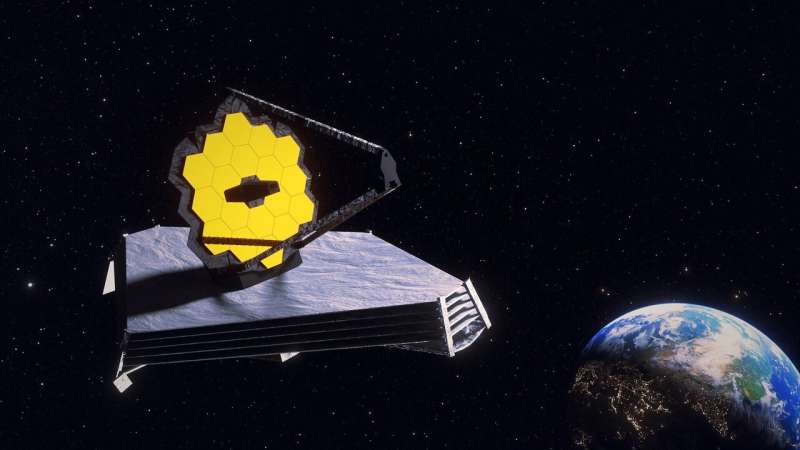
The James Webb Space Telescope lifted off on an Ariane 5 rocket from Europe's Spaceport in French Guiana, at 13:20 CET on 25 December 2021 on its exciting mission to unlock the secrets of the Universe.
This timelapse shows highlights of the launch campaign from the arrival of Webb in French Guiana through to liftoff.
Every launch requires meticulous planning and preparation. For Webb, this process began about 15 years ago. Webb arrived from California on board the MN Colibri which sailed the Panama Canal to Pariacabo harbor in French Guiana. The shallow Kourou river was specially dredged to ensure a clear passage and the vessel followed high tide to safely reach port on 12 October 2021.
Though the telescope weighs only six tons, it was more than 10.5 m high and almost 4.5 m wide when folded. At Europe's Spaceport it was unpacked inside a dedicated spacecraft preparation facility fitted with walls of air filters to protect the telescope from contamination during preparations for launch.
After its arrival in the final assembly building, Webb was lifted slowly about 40 m high and then carefully maneuvered on top of Ariane 5—one of the most delicate operations during the entire launch campaign.
Webb has arrived at L2
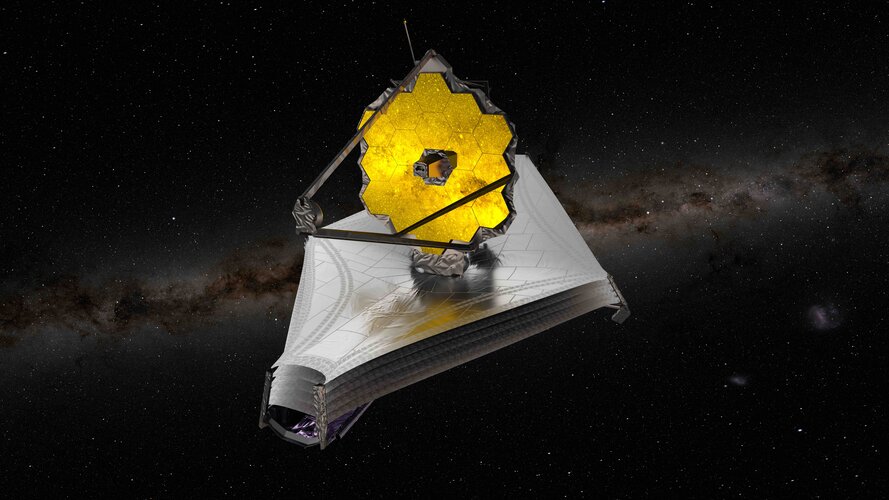
Today, at 20:00 CET, the James Webb Space Telescope fired its onboard thrusters for nearly five minutes (297 seconds) to complete the final post launch course correction to Webb’s trajectory. This mid-course correction burn inserted Webb toward its final orbit around the second Sun-Earth Lagrange point, or L2, nearly 1.5 million kilometres away from Earth.
Living on the edge: Satellites adopt powerful computers
Spacecraft operating closer to Earth are adopting state-of-the-art onboard processors. Upcoming missions will require even greater computing capability.
The post Living on the edge: Satellites adopt powerful computers appeared first on SpaceNews.


