



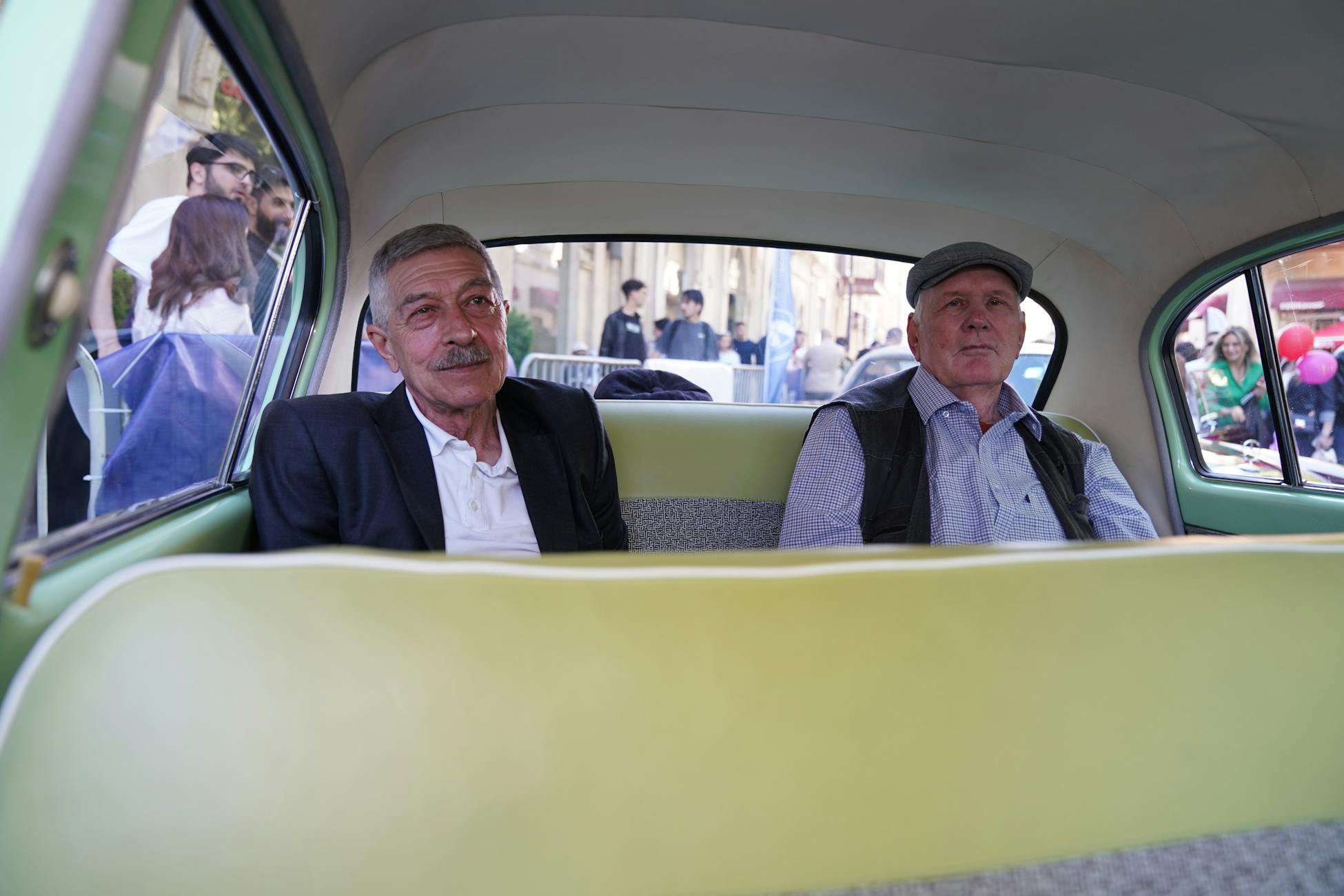
The quietest passenger in the car is often the one with the loudest childhood. Watch closely the next time you’re driving with someone and the conversation runs out. Most people will quickly reach for the radio, or ask a question they don’t actually want answered, or comment on a billboard that doesn’t deserve commentary. A few will not. They’ll let the silence sit. They’ll watch the road. Their hands will be still on their lap. And if you ask them later whether the quiet bothered them, they’ll look at you with genuine confusion, because the silence wasn’t something they had to endure — it was something they had been waiting for their entire lives.
The conventional reading of this is that some people are simply more introverted, more comfortable in their own heads, less socially needy. That’s the surface explanation, and it isn’t wrong so much as it is incomplete. Plenty of introverts find car silences excruciating. Plenty of extroverts can ride for two hours without speaking and feel perfectly settled. The variable that actually predicts who can sit through a long automotive silence isn’t temperament. It’s what silence used to mean in the house they grew up in.
In some homes, silence was the dangerous part. It was the held breath before the door slammed, the pause between accusations, the way a parent went quiet right before everything got worse. Children raised in those houses learned to fill silence frantically, because silence was the warning shot. They became the chatterers, the deflectors, the ones who can’t stand a lull. You can spot them in any car: the moment three seconds of quiet pass, they’ll laugh nervously and say so anyway.
In other homes, silence was the recovery. It was what came after. The shouting had stopped. The dishes had been put away. Whoever had been crying was now in another room, and the rest of the family was listening to the kitchen tap drip and feeling their shoulders drop for the first time in hours. That silence wasn’t empty. It was the closest thing to safety the day was going to offer. Children who grew up in those houses learned that quiet was the gift, not the threat.
The nervous system files silence under a category
What happens in a child’s body during prolonged household stress is not metaphorical. The autonomic nervous system gets trained on patterns. It learns which sensory cues predict danger and which predict reprieve. Studies of adverse childhood experiences have shown that early household volatility shapes adult stress responses in ways that persist for decades. The body keeps the cue card. It just doesn’t always show it to the conscious mind.
So when an adult sits in a car and the silence stretches past the polite threshold, two very different things can happen depending on which file the nervous system reaches for. One person feels a creeping anxiety, an obligation to repair the air, a small panic that something is wrong and they need to fix it. Another person feels their breathing slow. Their jaw unclenches. Their hands open. The silence is not a problem to be solved. It is the part of the day that doesn’t require anything of them.
I should say at the outset that I write this as someone who confused his own version of this for personality well into his forties. I thought I was simply a calm person who didn’t need much conversation. It took a long stretch of therapy in my early fifties to understand that what I was calling calm was actually a kind of tuned attention — a body that had learned, very early, to wait out the bad weather and to recognise the moment the front had passed. I wasn’t peaceful in the car. I was relieved.
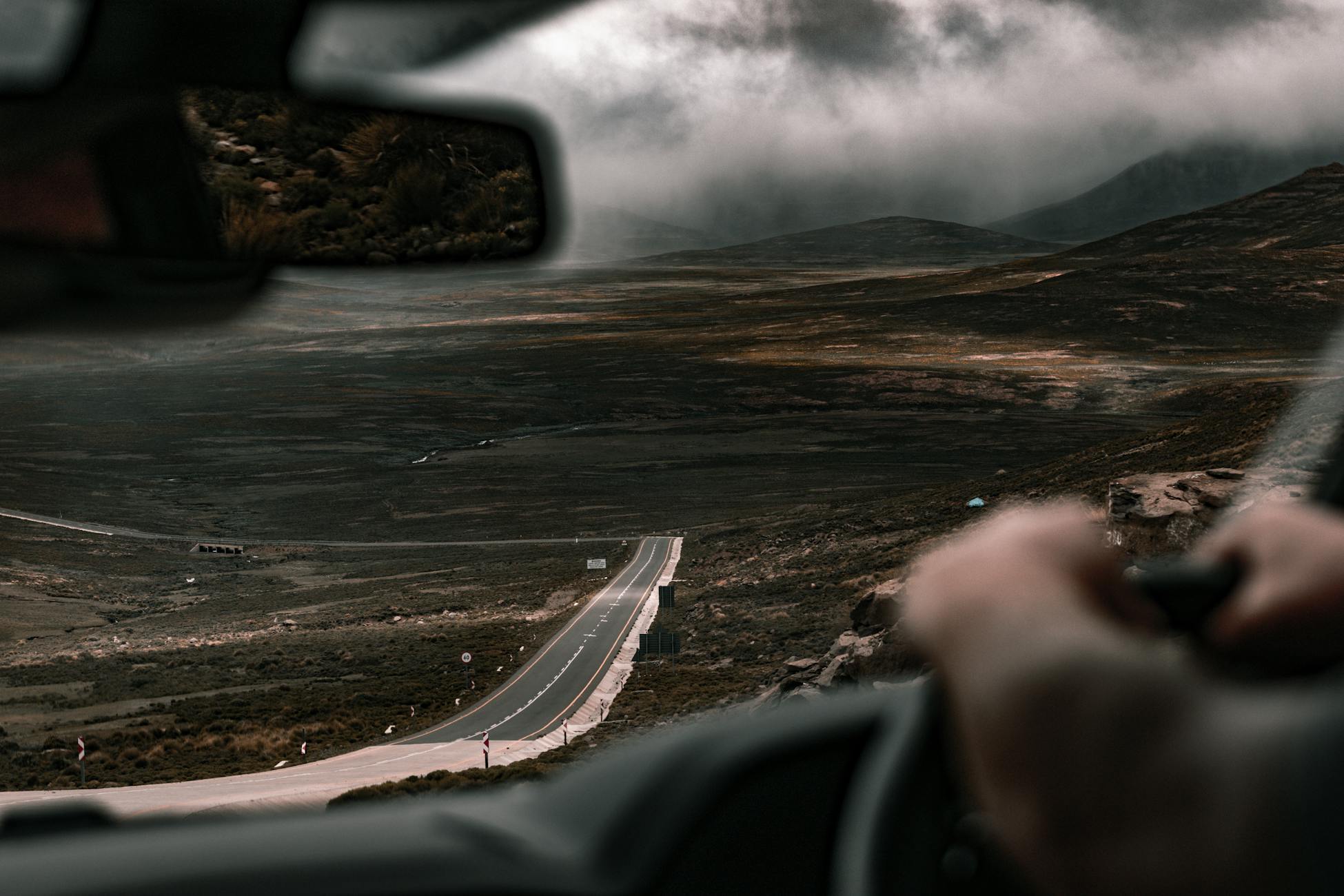
What the children of volatile homes actually learned
Children who grow up in households with chronic conflict don’t just learn that conflict is bad. They learn something more specific than that. They learn the choreography of it — the rising tones, the closing of certain doors, the particular way a parent puts down a glass when something is about to be said. And they learn the shape of the aftermath. The exhale. The way the air in a room changes when whatever was happening has finally stopped happening.
This pattern is well-documented in the literature on developmental stress. Studies of adverse childhood experiences in adult populations have repeatedly found that early exposure to family conflict creates hypervigilant attention to interpersonal cues — children become, in effect, expert readers of small environmental signals. They have to be. Their safety depends on accurate forecasting.
One of the side effects of this expertise is that, as adults, they tend to find loud or performatively pleasant social environments exhausting in a way that surprises them. The chatter of a dinner party can leave them depleted not because they dislike people but because every micro-shift in tone is being processed by a system that was trained to notice. Quiet, by contrast, gives them the one thing the loud house never gave them: the chance to stop scanning. Writers on this site have explored a related pattern in how chronically quiet people get misread for being aloof, when what they’re actually doing is finally allowed to stop performing.
The car is a particular kind of room
Cars are unusual social spaces. You’re sitting beside someone, not facing them. There is a shared task — the road — that legitimately occupies attention. There is no audience. There is no host duty. Phones are, ideally, away. The lighting is whatever the sky is doing.
For the person who grew up in a chaotic house, this combination is uniquely restorative. The car offers the company of another human without the social demand of a face-to-face conversation. The forward gaze gives the eyes something to do. The engine provides a low, steady, predictable sound that the nervous system reads as nothing is escalating. And the silence between two people who don’t need to perform for each other is not silence at all in the threatening sense. It’s the absence of threat. It’s the part of the day where the body can finally release the small permanent contraction it’s been holding since the conversation in the kitchen at seven this morning.
I’ve come to think this is why so many of the people I know who can ride for two hours without speaking are also the ones who, in the rest of their lives, are surprisingly good at being alone. They don’t experience solitude as deprivation. They experience it the way someone with a chronic backache experiences finally lying flat on the floor.
The misread that hurts both people
Here is where it gets complicated, because the partner of someone who can sit through long silences is often the partner who can’t. And the can’t-sit-through-silence person almost always reads the silence as withdrawal. They ask are you okay, sometimes more than once. They take the quiet personally. They begin to suspect something is wrong with the relationship. The longer the silence stretches, the more certain they become that they are being shut out.
Meanwhile the silent one is having one of the best half-hours of their week.
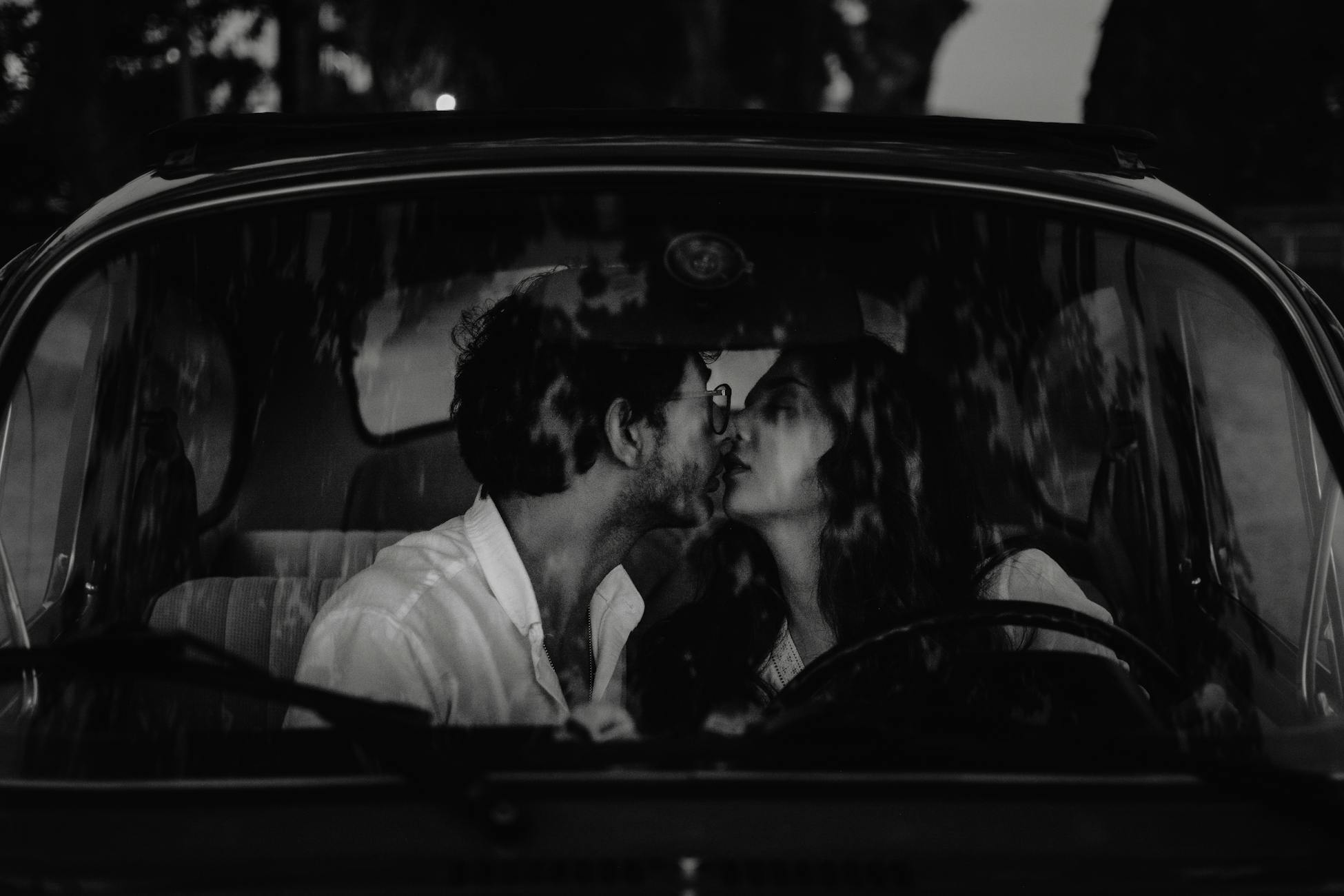
This mismatch is one of the more common quiet sources of friction in long relationships, and it’s almost always misdiagnosed. The chatty partner thinks the quiet partner is depressed, or angry, or losing interest. The quiet partner thinks the chatty partner is anxious, demanding, or insecure. Neither read is quite right. What’s actually happening is that two nervous systems trained on different childhood signals are interpreting the same neutral acoustic event in opposite directions. We’ve covered a related dynamic in extrovert-introvert pairings where one partner finally gets to let a room go quiet without it meaning anything.
Research on how early relationships shape adult attachment patterns shows that the people most likely to read silence as rejection are those whose childhood caregivers were inconsistent rather than overtly hostile. They learned that quiet meant a parent had drifted away, not that danger had passed. For them, silence is abandonment. For the child of the volatile house, silence is the all-clear. Same room, same minute, two completely different weather reports.
What the silence is actually doing
One of the things I’ve come to appreciate, after fifteen years studying how people behave in confined and isolated environments, is that prolonged shared silence is one of the more underrated forms of intimacy. Crews who have lived together in confinement for months tend to develop long stretches of comfortable wordlessness. They are not bored of each other. They have moved past the phase where every quiet moment needs verbal ratification. They have, in effect, built the kind of trust that allows two people to occupy the same small space and not require performance from each other.
I came across a video recently from The Artful Parent that explores this same territory through watercolor painting—watching children mix colors in silence, you can actually see which ones are comfortable with the quiet and which ones fill every gap with chatter, usually tracking exactly what their home environments rewarded.
The person who can do this in a car at the start of a relationship — without prompting, without strain — is often someone who built that capacity not through years of crew training but through years of childhood evenings spent waiting for the house to settle. They learned the value of an unbothered minute long before they had a name for it.
This isn’t a romantic spin on a hard upbringing. The literature on the long aftermath of childhood adversity is clear that there are real costs to growing up in those houses, and the capacity for car silence does not redeem them. What it does is explain something that often goes unexplained: why some people seem to require so little from a quiet hour, and why that requirement is sometimes mistaken for coldness when it’s something closer to its opposite.
The half-tank and the held silence
I’ve written before about why some people refuse to let the gas tank drop below half, and the mechanism here is a cousin of that one. Both behaviours are rooted in childhood resource forecasting. Both look like personality and are actually nervous-system hygiene. Both are easy to misread as virtue or quirk when they are, more honestly, small ongoing accommodations to a body that learned its lessons early.
The difference is that the gas tank rule is a defense — a way of preventing a scene that might otherwise occur. The capacity for silence is something gentler than that. It’s not a defense. It’s a recovery. The car silence isn’t preventing anything. It’s allowing the system to do something it rarely got to do as a child: be in proximity to another person and not have to track them.
If you’re the one who fills the silence, this isn’t a moral failing, and it isn’t something to fix in a weekend. It’s information about what your nervous system thinks quiet means. If you’re the one who lets the silence stretch, that isn’t a virtue either. It’s information about what your nervous system learned to associate with safety. Neither of you is reading the car correctly, exactly. You’re both reading the house you grew up in.
The closest thing to a useful conclusion I have is this: the next time you’re in a car with someone and the conversation runs out, notice which way your body moves. Toward the radio, or away from it. Toward repair, or toward rest. The answer won’t tell you who you are. But it might tell you, fairly precisely, which kind of evening you spent the most time waiting to end.