


Frosty volcanoes discovered in Mars’s tropics
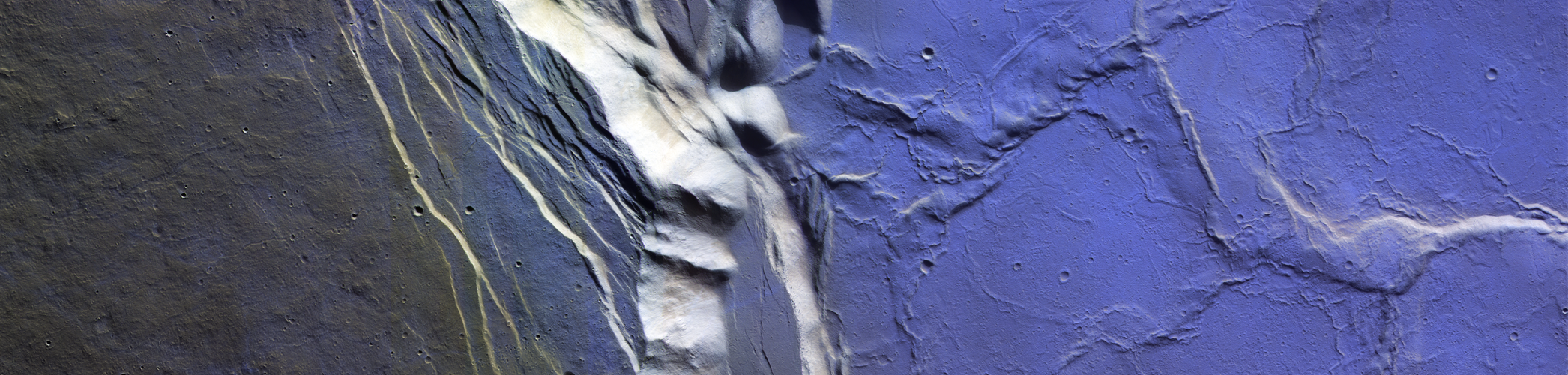
ESA’s ExoMars and Mars Express missions have spotted water frost for the first time near Mars’s equator, a part of the planet where it was thought impossible for frost to exist.
A milestone in digital Earth modelling

Destination Earth is now live! Launched today during a ceremony at the EuroHPC LUMI Supercomputer Centre in Kajaani, Finland, Destination Earth provides unprecedented insights into the complexity of our planet to advance climate change adaption and environmental resilience modelling.
Collaborative Frontiers: Merging Commercial Tech with Space Force Strategy


Assured Space and Phantom Space seek to disrupt data-backhaul business


NOAA's hurricane hunting GOES-U satellite nears SpaceX Falcon Heavy launch
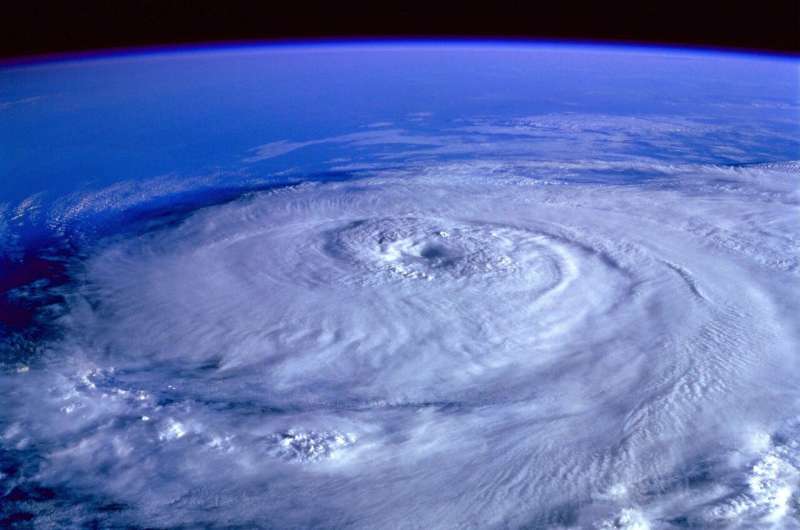
Hurricanes Michael, Dorian, Ian, Nicole and Idalia have all been stared down by one of the NOAA's most powerful satellites since it took its place in geostationary orbit in late 2017. Its replacement is gearing up for launch on a SpaceX Falcon Heavy later this month.
The GOES-U satellite is the 19th Geostationary Operational Environmental Satellite in the NOAA and NASA partnership since the first one launched in 1975. It's the fourth and final of the latest version of the satellites. The first three are already parked at more than 22,000 miles altitude and have their wide-view sites set to track tropical weather, fires, lightning and other dangerous weather on Earth.
The final satellite sits in a stark, white clean room at Astrotech Space Operations' payload processing facility just across the river from Kennedy Space Center. It's already fueled and awaits encapsulation in a SpaceX fairing before heading to KSC for launch. Liftoff is slated for June 25 at 5:16 p.m. during a two-hour window atop what will be the first Falcon Heavy launch of the year.
All four satellites are part of what NOAA calls the GOES-R series, the most powerful satellites for weather forecasting.


Using the moon's soil to support life, energy generation and construction
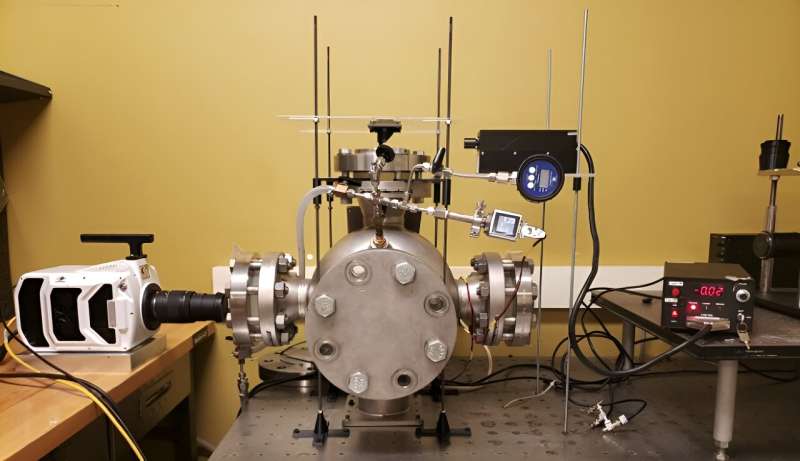
Imagine the moon as a hub of manufacturing, construction and even human life. It's no longer a far-fetched idea baked in science fiction lore—increased interest and investment in space exploration are pushing efforts to develop the technologies needed to make the moon a viable home for humans.
Developing lunar infrastructure requires building materials, and shuttling these over from Earth would be costly and inefficient. This has fueled research into the in-situ processing and use of raw materials naturally found on the moon's surface. However, one major challenge with this approach will be the immense amount of power the lunar resource processing will need.
A research team from the University of Waterloo's Laboratory for Emerging Energy Research (LEER) is looking into processing lunar regolith, the moon's top layer of soil and dust, into usable materials for life support, energy generation and construction. This includes investigating the use of defunct satellite material as a fuel source when mixed with lunar regolith.