



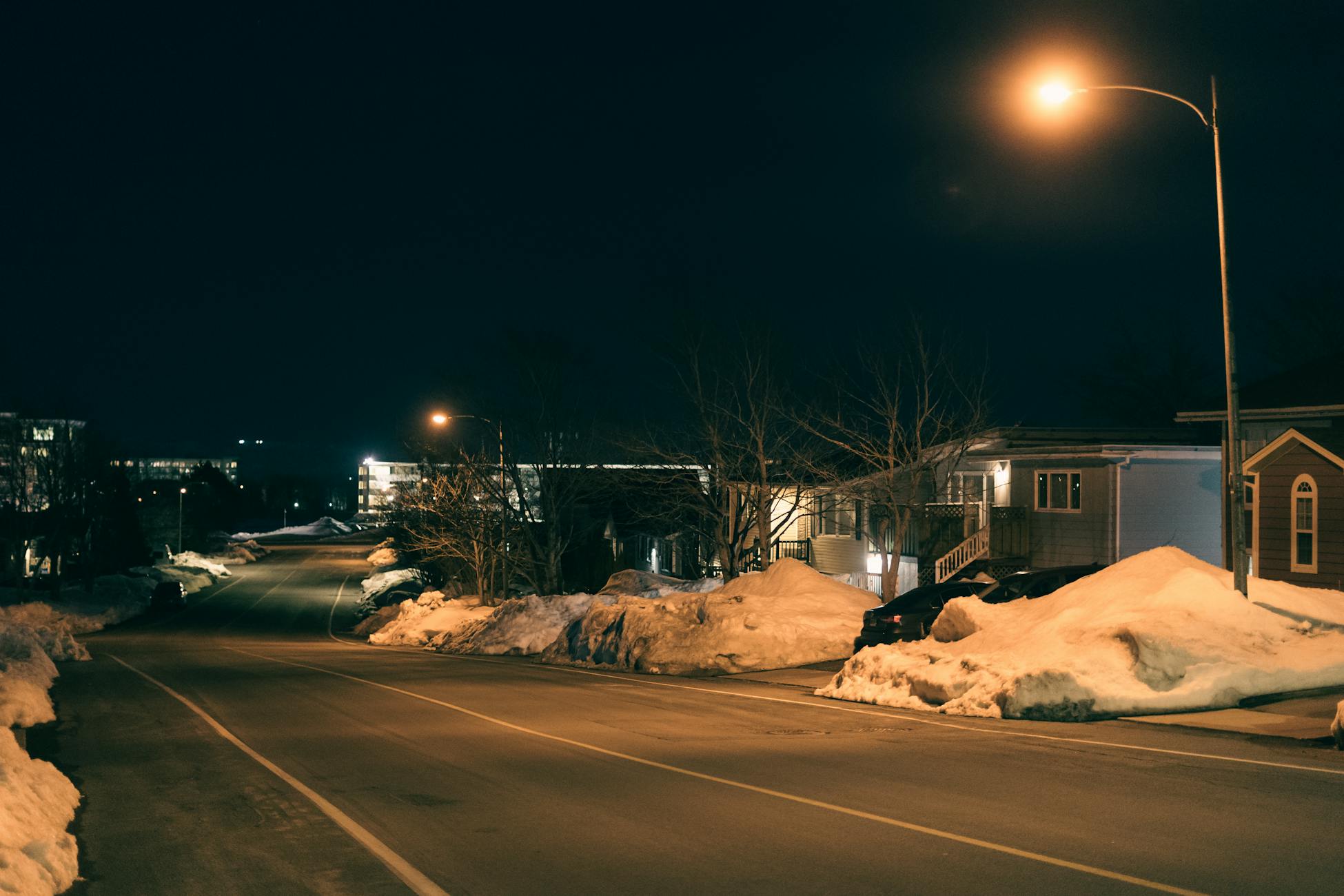
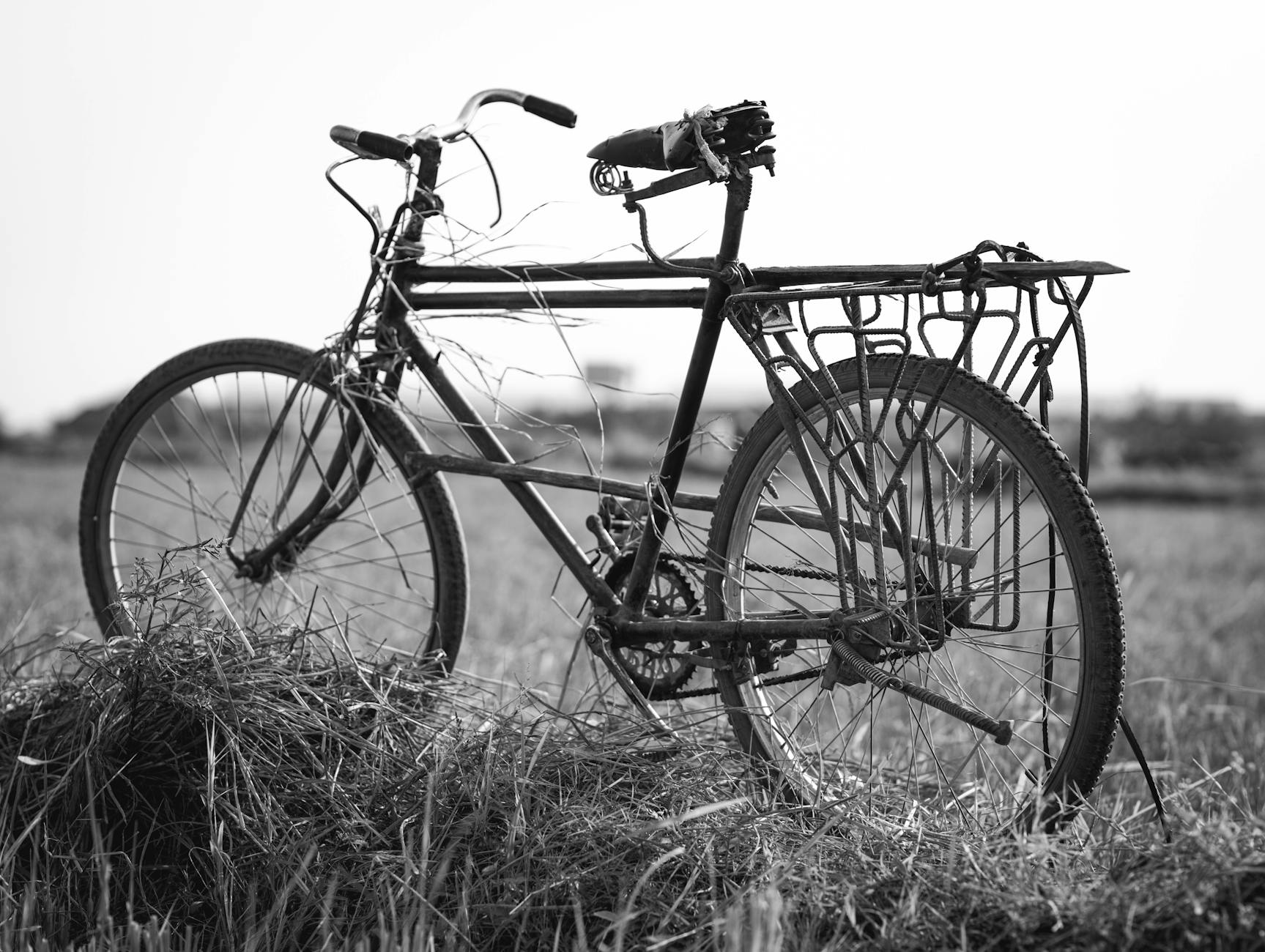
I drove past my old neighborhood last week, the one I grew up visiting through cousins, and the street looked exactly the same except for one thing: there were no children in any of the front yards. No bikes left on their sides in the grass, no chalk on the driveways, no soccer ball wedged under a hedge. It was four in the afternoon on a warm day, the hour when, thirty years ago, that same street would have been loud enough that you could hear it from two blocks over. I sat in my car for a while trying to understand what I was looking at, because the quiet wasn’t sad exactly. It was structural. Something underneath the visible surface had reorganized itself, and the empty yards were just where you could see it.
The conventional wisdom says screens did this. Kids are inside on iPads, parents are afraid of strangers, the suburbs killed unstructured play, and so on. All of that is partially true and entirely beside the point. What I was looking at on that street wasn’t a behavioral shift. It was a demographic one. The yards weren’t empty because the children were inside. The yards were empty because there were fewer children to begin with, and the ones who existed were spread thinner across more square footage of housing stock that families used to share with three and four siblings.
That’s the part nobody quite says out loud, because saying it requires accepting a version of the future most people in their forties haven’t fully metabolized yet.
The street was a census, and I had been reading it as a memory
I’m 41, which means I was a child on streets like this one in the late eighties and early nineties, when the average American household still produced enough children that any given block reliably contained a pack of them. The pack was the unit. You didn’t schedule playdates because you didn’t need to. You walked outside and the supply was already there, distributed across porches and yards, replenishing itself as older kids aged out and younger siblings rotated in.
That supply has been thinning for forty years, and most of us experienced the thinning as a vibe rather than a number. Global births have declined by roughly 8.6% over the past decade, and in the United States the fertility rate has been below replacement for years and falling steadily. The yards I was looking at had been emptying my entire adult life. I just hadn’t been standing still long enough to notice.
The thing about a slow demographic shift is that it never has a news day. There’s no headline announcing when a neighborhood’s third-grade class becomes too small to sustain pickup soccer. It just stops happening. The pack disassembles itself one missing kid at a time, and by the time you drive past, the absence has already calcified into normalcy for everyone who lives there now.
What I thought I was nostalgic for, and what I was actually seeing
When I first sat in the car I assumed I was having a standard nostalgia event. I’m the right age for it. Men in their early forties driving past their childhood landmarks is essentially a genre. But what I was feeling didn’t match the genre. Nostalgia is warm and slightly self-pitying. This was colder. This was the recognition that the conditions that produced my childhood don’t exist on that street anymore and won’t be reproduced there in my lifetime.
Psychologists who study returning to childhood places describe this as something more specific than nostalgia. Krystine Batcho’s work on homesickness and longing points to something I felt in the car but couldn’t name: the discomfort of realizing the place you came from is now a place where someone else’s childhood is failing to happen.
That’s a strange thought to have. But it was the accurate one.
The empty yard as a budget line
I spend my professional life reading budgets, which trains you to look for what is not written down. A NASA appropriations document tells you what the agency will do, but the omissions tell you what’s actually being protected, gutted, or quietly traded away. The line items that get specific are the ones with political muscle behind them. The vague ones are the ones being set up to disappear.
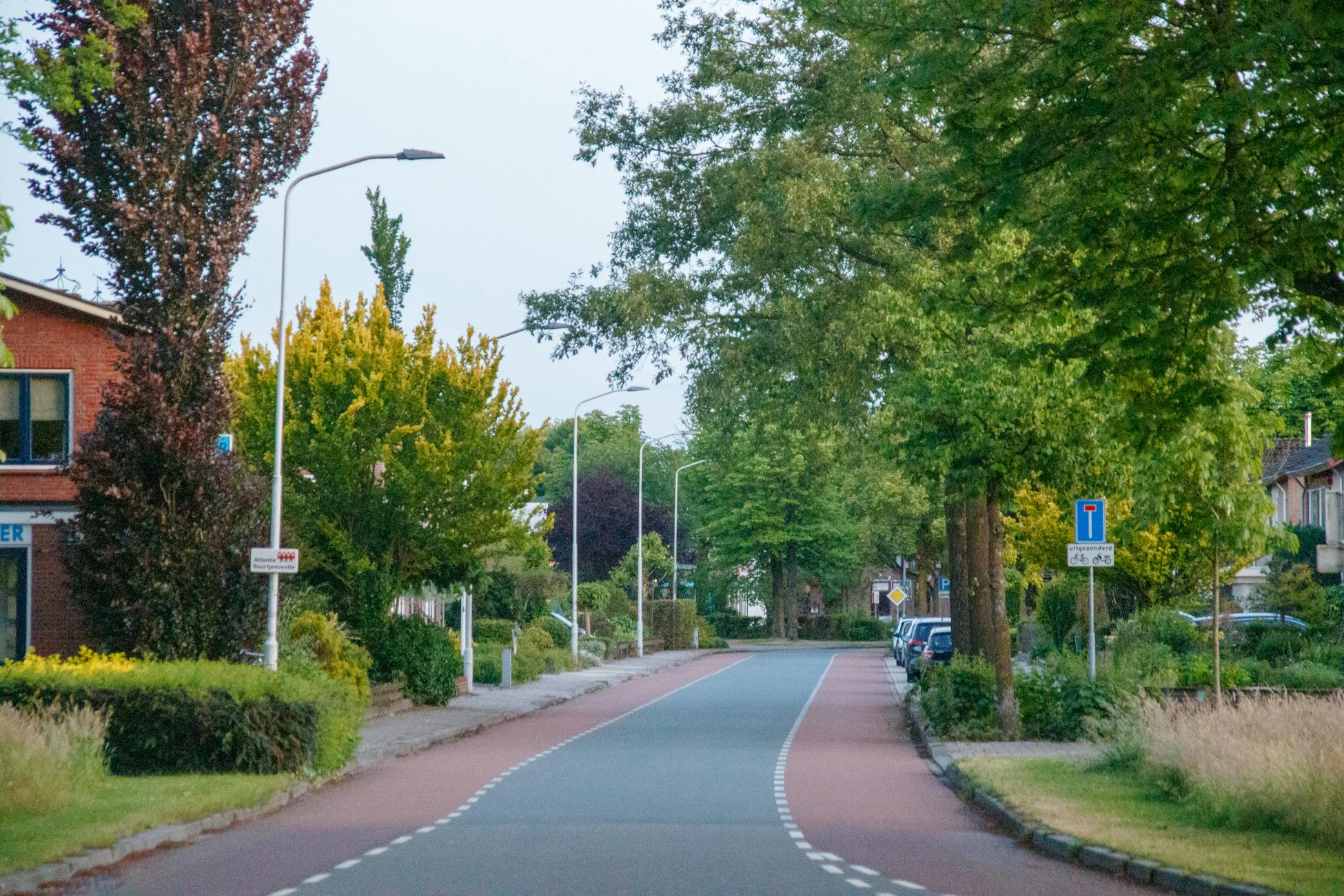
Front yards work the same way. The visible street told me what wasn’t there. No strollers parked by front doors. No little plastic kitchens faded by the sun. No basketball hoops at the end of driveways with the netting half-rotted from a decade of use. Each absence represented what used to be a family with three kids under twelve and now was either an older couple whose children grew up and moved or a younger couple with no children, both working remotely. The neighborhood had not died. It had been re-funded under a different program.
This is what I think gets missed when people argue about whether the suburbs are good or bad, whether kids today have it harder or easier, whether parenting has gotten more anxious or more permissive. Those are surface-level debates about behavior. Underneath them is a much quieter shift in the basic raw input: there are simply fewer children per acre than there were when I was one of them, and that single fact reorganizes everything that used to depend on local density.
What density actually did for us
The thing the pack provided wasn’t entertainment. It was, for lack of a better word, social calibration. You learned to read other kids because there were enough of them around that you got daily reps. You learned which kid was about to cry, which one was lying, which one would actually share, which adult on the block could be trusted and which one couldn’t. The hypervigilance some of us learned at home was a distortion of a skill that, in healthier form, was supposed to develop out there in the yards, in low-stakes encounters with other children we didn’t choose.
That’s what I think I was actually mourning in the car. Not the bikes on the lawn. The training ground.
When you reduce the number of children on a street, you don’t just reduce the noise. You reduce the number of unscheduled, unsupervised, slightly uncomfortable social encounters available to each remaining child per week. Those encounters used to be free, automatic, and unavoidable. Now they have to be engineered by parents who are themselves overscheduled, which means they happen less often and under more managed conditions, which means children who do get them are getting a curated version of what used to be ambient.
Standing on that street, the abstraction became physical. The data had a smell. It smelled like cut grass and nothing else.
The part where I implicate myself
I don’t have children. The author profile page for this site doesn’t say much about my personal life, and I’ve kept it that way on purpose, but the empty-yard problem isn’t something I can write about as a pure observer. Every adult my age who didn’t have kids, or had fewer than their parents did, or waited until their late thirties to start, is part of the line item I was reading on that street. The aggregation of our individual decisions is the demographic shift. We are why the yards are quiet.
That’s not a guilt statement. The decisions were rational, often necessary, sometimes unavoidable. Housing got expensive. Careers got longer and more demanding. The economic logic of having three or four children stopped making sense for most of the people I went to school with, and so they had one or two or none, and the math of the street changed accordingly. None of us did anything wrong. We just did it together, and the together is what the street was showing me.
I’ve written before about the operating system children of the eighties developed by reading rooms full of adults. What I hadn’t fully reckoned with is that the rooms themselves were dense in a way they aren’t anymore. We were calibrated by abundance — of siblings, of cousins, of neighbor kids, of unscheduled time — and that abundance is not coming back. The kids who are children now are being calibrated by something else: scarcity of peers, surplus of adult attention, scheduled proximity instead of accidental proximity.
What that produces is not yet clear. Anyone who tells you they know is selling you something. The Harvard longitudinal work on adult development suggests that durable relationships matter more than almost any other input to long-term wellbeing, and the question of whether children growing up on quiet streets will have an easier or harder time building those relationships is genuinely open. They might be fine. They might be better at it, in ways we can’t see. Or they might be missing a substrate the rest of us took for granted because we couldn’t see it either, until we drove past and noticed it was gone.
Why the street told me more than the articles
I read demographic projections for work occasionally. They never land the way that empty street did. A graph of fertility rates is an abstraction your brain can metabolize without changing anything. A street where you used to play, photographed against your memory of it at the same hour of the same kind of afternoon, is not an abstraction. It’s a measurement instrument calibrated by your own nervous system, and it returns a reading that bypasses the part of you that argues with statistics.
I drove away after about fifteen minutes. A delivery truck went past, then nothing. I noticed I was waiting for a kid on a bike to come around the corner the way one would have in 1991, and I noticed that I was the only person on the entire block doing the waiting. The kids who would have been on those bikes are forty-one now, sitting in their own cars, on their own quiet streets, doing some version of the same math.
The street wasn’t telling me to feel bad about it. The street was just telling me what’s true. That’s what places do when you stand still long enough to listen to them, and most of us don’t, because the answer is rarely the one we drove out there hoping to hear.