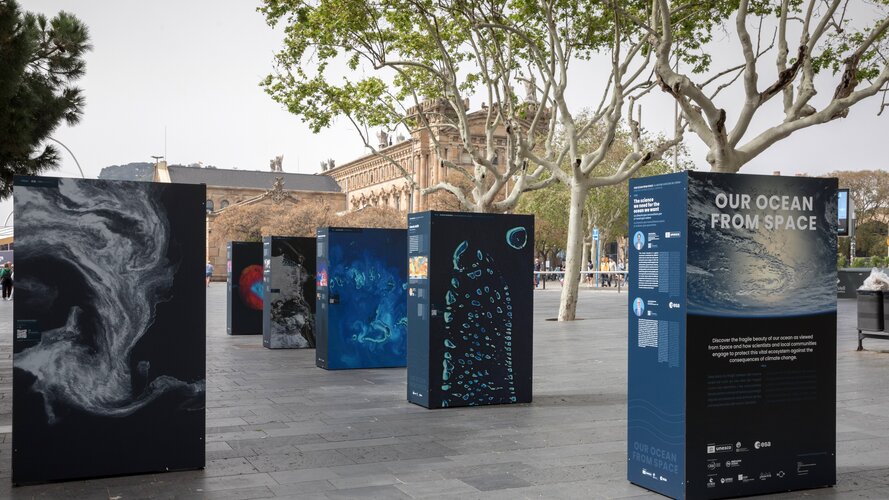
Our Ocean from Space: a journey into Earth's marine ecosystems
FAA: no current plans to tax commercial space launches


Pentagon research chief calls for commercial radiation-hardened electronics


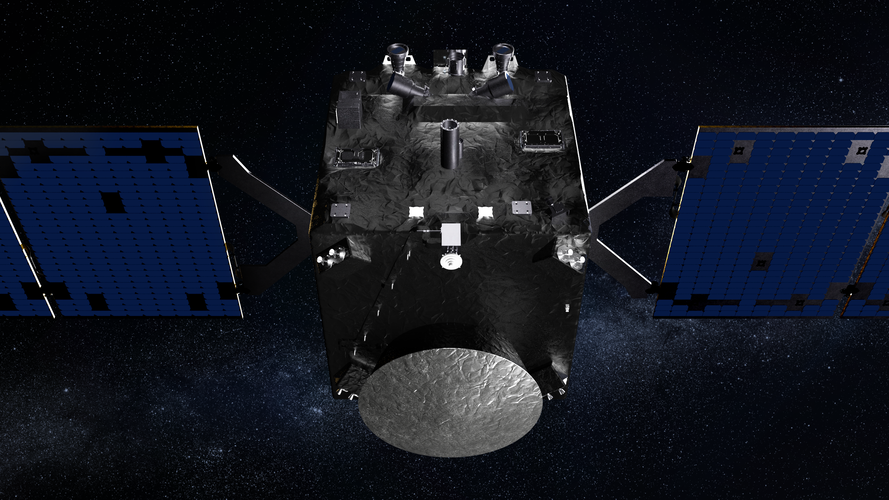
Small Astranis GEO broadband satellites are getting bigger


Space Force unveils strategy to leverage commercial tech innovation


U.S. government plans review of space technology export controls


How the merger of satellite and terrestrial cell services could offer the best of both worlds


Through astronaut eyes, virtual reality propels gateway forward

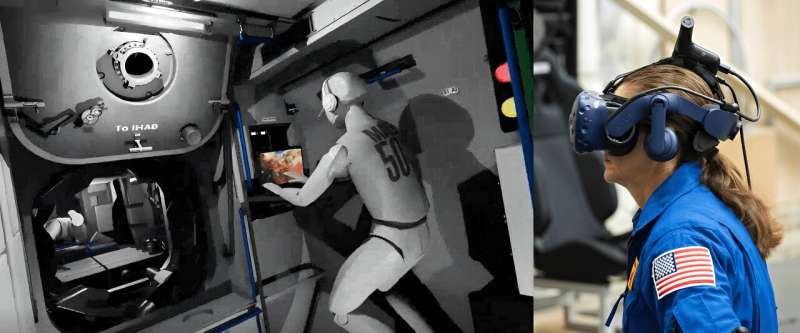
NASA astronauts are using virtual reality to explore Gateway. When they slip on their headsets, they're not just seeing the station—they're in it, meticulously surveying every detail and offering crucial insights on design and functionality.
Astronauts living aboard the Gateway lunar space station will be the first humans to make their home in deep space. To fine-tune the design of the next-generation science lab, solar-powered spaceship, and home-away-from home for international teams of astronauts, NASA calls on the likes of Raja Chari and Nicole Mann, experienced astronauts who know a thing or two about living and working on a space station.
Commanders of the SpaceX Crew-3 and Crew-5 missions to the International Space Station, respectively, Chari and Mann recently brought their long-duration mission experience to bear when they strapped into virtual reality (VR) headsets to tour Gateway, humanity's first space station to orbit the moon.
New NASA strategy envisions sustainable future for space operations
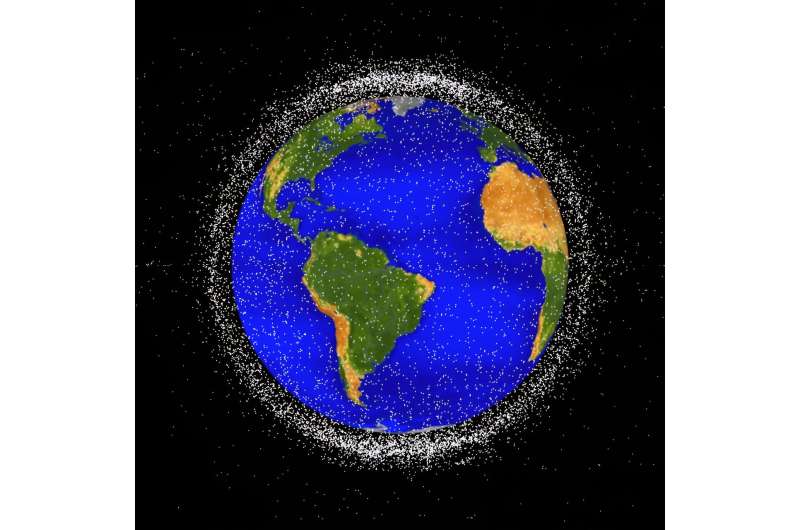
To address a rapidly changing space operating environment and ensure its preservation for generations to come, NASA released the first part of its integrated Space Sustainability Strategy, on Tuesday advancing the agency's role as a global leader on this crucial issue.
"The release of this strategy marks true progress for NASA on space sustainability," said NASA Deputy Administrator Pam Melroy. "Space is busy—and only getting busier. If we want to make sure that critical parts of space are preserved so that our children and grandchildren can continue to use them for the benefit of humanity, the time to act is now.
Biden says Japanese will be first non-American on moon
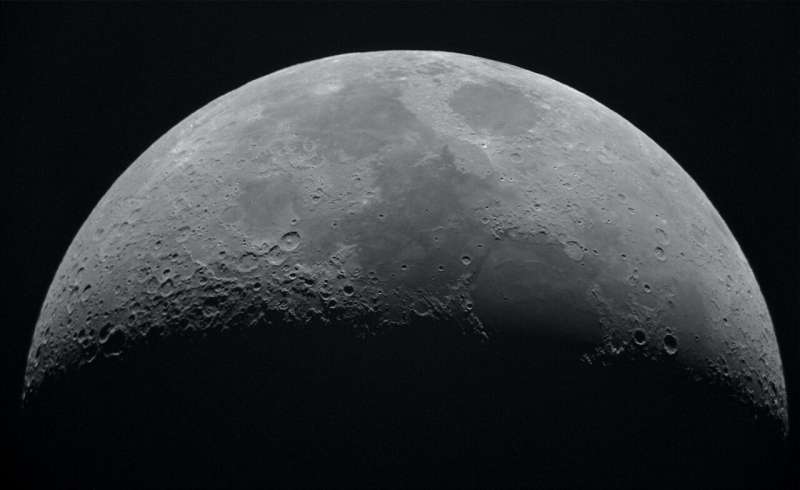
A Japanese person will be the first non-American to walk on the moon, US President Joe Biden announced Wednesday during a state visit by Japan's prime minister.
US-Japan "ties stretch up to the moon where two Japanese astronauts will join future American missions, and one will become the first non-American ever to land on the moon," Biden said during a press conference.
The United States has set a goal of returning to the moon for the first time since 1972. Only 12 people have walked on the moon, all of them Americans and all white men.
Under the Artemis program of NASA, the United States has also set a goal of sending a woman and a person of color to the moon.
The Artemis II mission expected in late 2025 will fly around the moon. The program's third mission—scheduled for the end of 2026 but facing possible further delays—intends to land humans on the lunar surface.
© 2024 AFP