



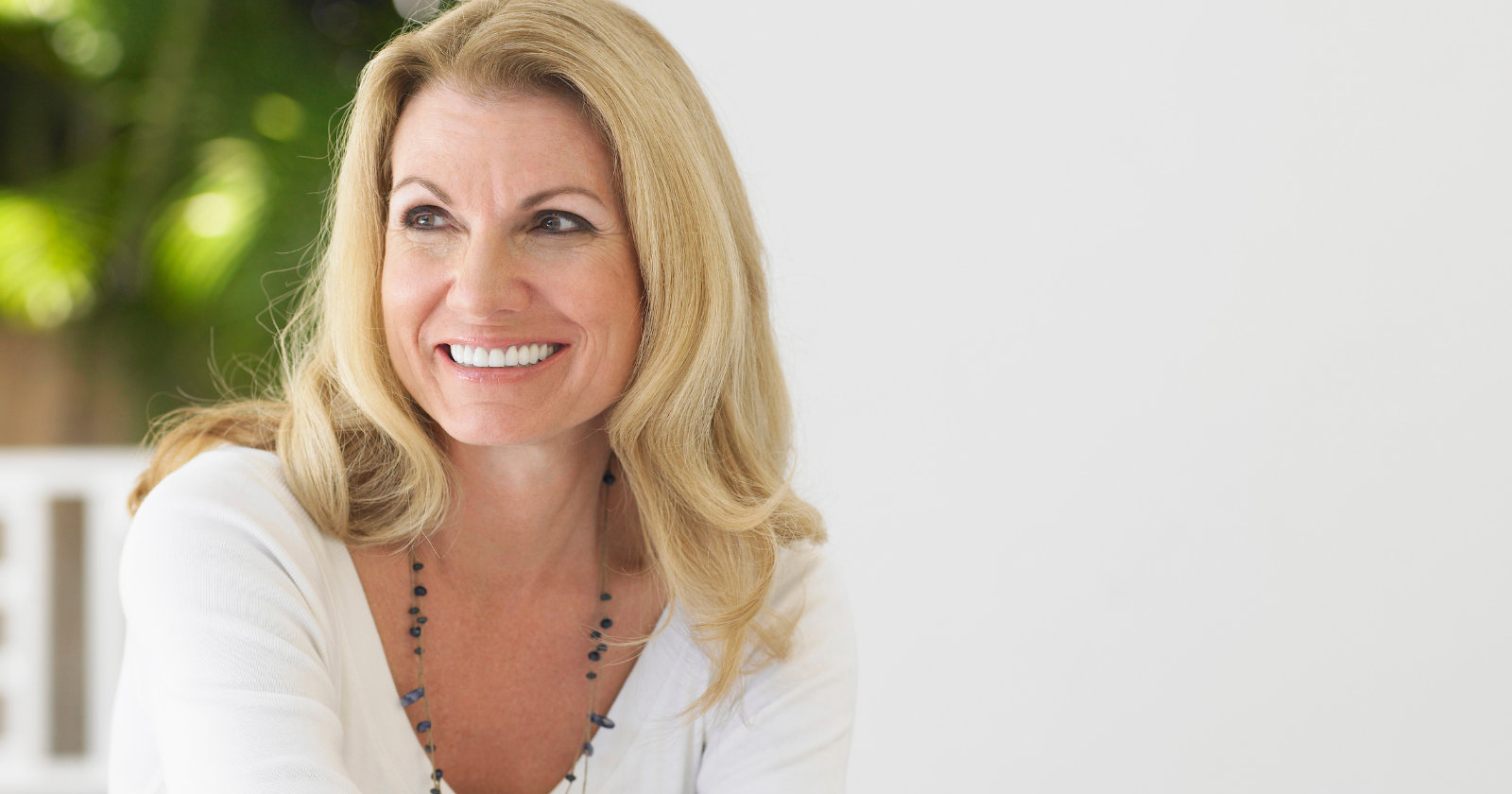
Last week, I found myself standing in my kitchen at 5:30 AM, watching steam rise from my tea, when it struck me that I no longer apologize for taking this hour of morning silence. At 70, this simple act of claiming space for myself feels revolutionary. Not because it’s dramatic or defiant, but because it represents something I couldn’t have imagined during those years of working two jobs while raising children alone, or later, during the seven years of watching Parkinson’s slowly steal my husband away.
The realization made me think about how profoundly women transform in their sixties, when the structures that once defined us begin to loosen their grip. After thirty-two years of teaching high school English, retirement at 64 left me wondering who I was without lesson plans and student essays. The identity crisis that followed taught me I’d confused what I did with who I was.
When external structures begin to loosen
Think about the forces that have shaped your life since your twenties: career ambitions, motherhood, partnership, the currency of physical beauty. For decades, these external structures organize our days, define our priorities, and often obscure the question of who we might be without them.
In our sixties, something remarkable happens. Children become adults with their own lives. Careers wind down or end entirely. Bodies change in ways that force us to renegotiate our relationship with physical beauty. Some of us lose partners to death or divorce. Others find partnerships transforming as both people change. These shifts can feel like losses, and they are. But they also create space for something extraordinary.
Virginia Woolf wrote about needing a room of one’s own. What she didn’t mention is that most women don’t get that room, metaphorically speaking, until their sixties. The loosening of external demands creates the first real opportunity in decades for an internal self to emerge as the organizing principle of life.
The transformation of motherhood and career
When my children were young, survival mode meant missing moments I’ll never get back. I still carry regret about missing my son’s college graduation because I couldn’t afford the plane ticket. But at this age, I’ve learned to apologize to my children, now 45 and 42, for the ways necessity made me less present than I wanted to be.
Motherhood in your sixties becomes something gentler. When my daughter struggled with postpartum depression, I learned about helplessness and hope in equal measure. Now, baking cookies with my four grandchildren and letting them make messes I never would have tolerated before, I understand that grandparenting is parenting with more wisdom and less exhaustion.
Career, too, transforms from obligation to choice. I still tutor adult literacy students twice a week and mentor young teachers, but these acts flow from desire rather than necessity. The desperate need to prove myself professionally has given way to the quiet satisfaction of sharing what I’ve learned.
Beauty, bodies, and the freedom of invisibility
Have you noticed how the conversation about aging women’s bodies focuses almost entirely on loss? We lose firmness, lose smoothness, lose the ability to wear certain clothes. What rarely gets discussed is what we gain when beauty stops functioning as currency.
I gave up my beloved high heels to arthritis, wear bifocals that help me see my wrinkles clearly, and manage chronic hip pain through stretching and walking. Starting yoga at 58 wasn’t about turning back time but learning to inhabit the body I have now. The invisibility I once feared has become a kind of superpower. When you’re no longer being watched so closely, you’re free to be exactly who you are.
Partnership, loss, and the discovery of self
My first husband left when I was 28, teaching me I was stronger than I knew. Those fifteen years of single motherhood showed me you could be both lonely and completely fulfilled. When I met my second husband at a school fundraiser auction, accidentally outbidding him on a weekend getaway, I waited three years before introducing him to my children. I’d learned about protecting hearts while still taking chances.
After his death at 68, learning to sleep alone again after twenty-five years felt impossible. The widow’s support group that became my closest circle taught me that grief doesn’t shrink; you grow larger around it. But here’s what surprised me: in the space grief carved out, I discovered parts of myself that had been dormant for decades.
The emergence of an internal organizing principle
What emerges when external structures loosen? For me, it’s been a woman who wakes early for silence and journaling, who reads two books a week in her sunroom, who started learning Italian at 66 for a trip she’d always dreamed of taking. I began writing personal essays at 66 after a friend suggested I share my stories, took up piano at 67 to prove new skills have no age limit, and maintain an English cottage garden I’ve cultivated for thirty years.
The internal organizing principle includes weekly suppers with five women friends that are really about connection, not cooking. It includes writing birthday letters to my grandchildren that they’ll receive when they turn 25. My days are structured by choice: soup-making Mondays using whatever needs to be used up, standing phone calls with my daughter every Sunday evening, coffee with my neighbor every Thursday morning, a tradition spanning fifteen years.
The genuine classiness of integration
The classiness that emerges in our sixties has nothing to do with pearls and proper posture, though I have both. Instead, it’s the quiet authority that comes from having survived your own life. It’s knowing when to bite your tongue and when to speak up. It’s the grace to forgive and the wisdom to maintain boundaries.
This classiness comes from integrating all the selves you’ve been: the struggling single mother who accepted food stamps, the teacher who won awards but counted real victories in quiet moments with struggling readers, the widow who discovered that love shows up in quiet acts, not grand declarations.
At 70, I’ve stopped postponing joy, a lesson from my breast cancer scare at 52 that took years to fully integrate. I’ve learned to accept praise for my writing instead of deflecting it, to spend on myself without guilt, and to claim space without apology.
Final thoughts
The external structures haven’t disappeared entirely. I still have routines, responsibilities, relationships. But they no longer define me. Instead, they orbit around an internal center that took sixty years to solidify: a woman who knows the difference between what she does and who she is.
This is the rare opportunity of our sixties: to become not who we were supposed to be, but who we actually are, after decades of becoming. The loosening of external structures creates space for a woman who can hold both joy and sorrow without being consumed by either, who has finally given herself permission to be the organizing principle of her own life.