

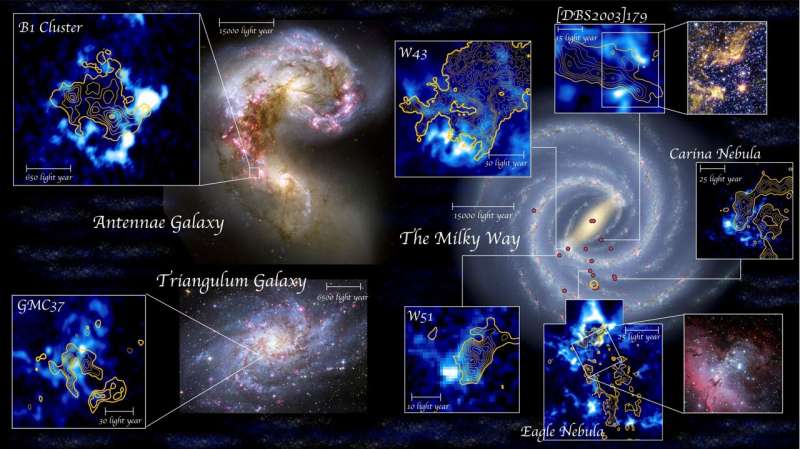
Star formation is triggered by cloud-cloud collisions, study finds
China says 'extremely low' risk of damage from rocket debris
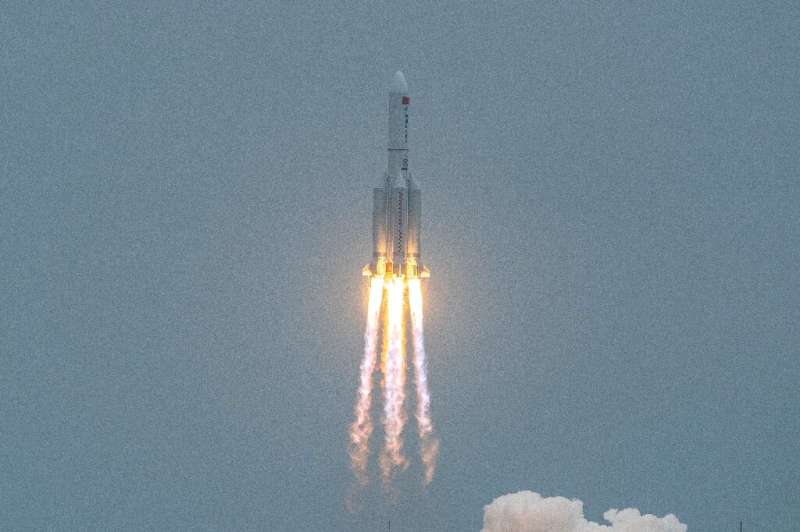
China said Friday the risk of damage on Earth from a rocket which fell out of orbit after separating from Beijing's space station was "extremely low", after the United States warned it could crash down onto an inhabited area.
Military experts in the US expect the body of the Long March 5B rocket to fall to the surface some time around Saturday or Sunday, but warned it was difficult to predict where it will land and when.
But Beijing downplayed the risk of any damage on Friday.
"The probability of causing harm to aviation activities or (on people and activities) on the ground is extremely low," foreign ministry spokesman Wang Wenbin said.
Week in images: 03 - 07 May 2021
Week in images: 03 - 07 May 2021
Discover our week through the lens
China acknowledges Long March 5B situation as rocket heads for weekend reentry

HELSINKI — China’s foreign ministry acknowledged the imminent uncontrolled reentry of the Long March 5B Friday as the orbit of the first stage continued to lose altitude.
NASA increases prices for ISS private astronaut missions
WASHINGTON — NASA has increased the prices it will charge for future private astronaut missions to the International Space Station, saying the new prices reflect the true costs of supporting those missions.
A revised price list, posted April 29, updates the prices NASA charges to private missions flying to the ISS for cargo, station resources, crew time and other services.
Momentus SPAC merger seeking extension

WASHINGTON — The blank-check company proposing to merge with in-space transportation company Momentus is going down to the wire in its effort to convince shareholders to give it more time to close the deal.
Defense appropriators ‘disappointed’ with management of Space Force acquisitions
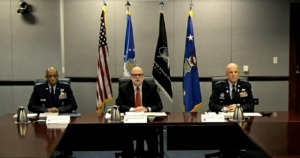
WASHINGTON — The U.S. Space Force has moved quickly to organize its operational units since it was established 16 months ago. But Congress would also like to see the service make headway in acquisition programs, the chair of the House Appropriations Committee’s defense subcommittee said May 7.
China's rocket out of control but risk of damage low, say experts
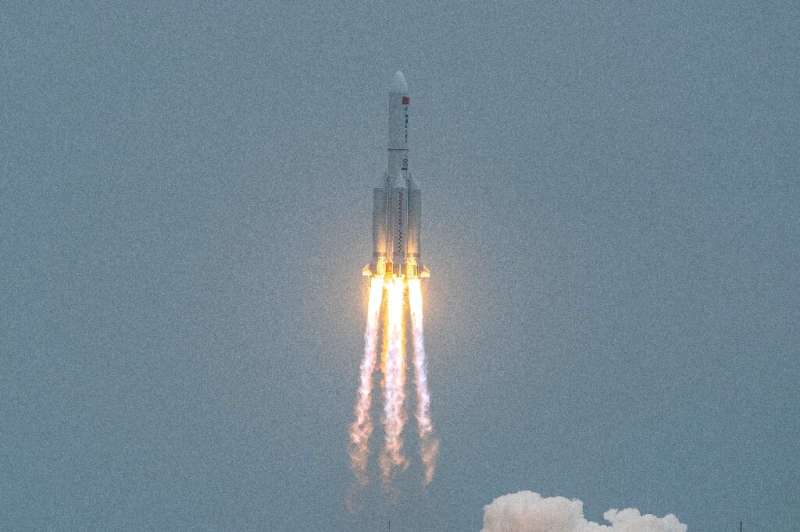
China's rogue rocket is in an uncontrolled free-fall towards Earth and no one knows where or exactly when it will burn through Earth's atmosphere, but the risk of debris hitting an inhabited area remains very small, experts told AFP Friday.
What happened?
On April 29, China launched the first module of its "Heavenly Palace" space station, a milestone in Beijing's ambitious plan to establish a permanent human presence in space.
The module was propelled by a powerful Long March 5B rocket, whose first stage is currently descending Earthward.
If Chinese ground engineers have no control over the booster stage's trajectory, it is not due to a technical failure or some unexplained glitch. The rocket was designed that way.
From a low Earth orbit, bodies are drawn gradually by gravity towards the surface of the planet.
NASA's new chief big on climate, hedges on 2024 moon landing

Chinese rocket to tumble back to Earth in uncontrolled re-entry
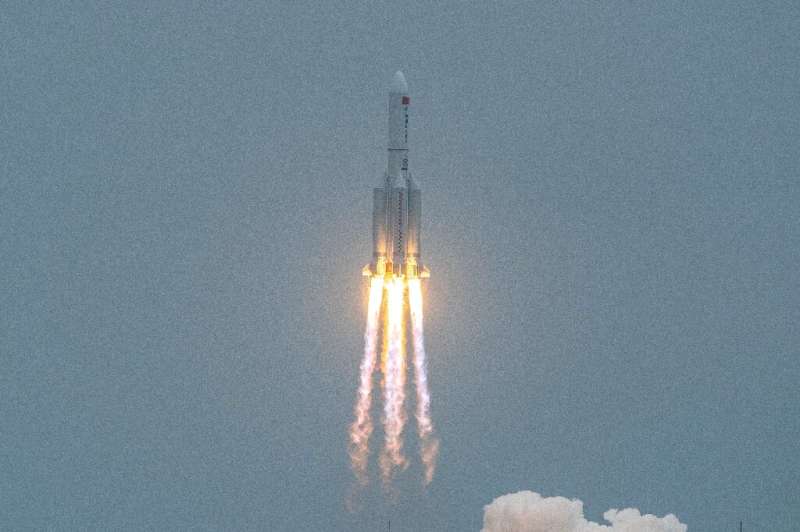
A large segment of a Chinese rocket is expected to make an uncontrolled re-entry into the Earth's atmosphere on the weekend, but Beijing has downplayed fears and said there is a very low risk of any damage.
A Long March-5B rocket launched the first module of China's new space station into Earth's orbit on April 29. Its 18-tonne main segment is now in freefall and experts have said it is difficult to say precisely where and when it will re-enter the atmosphere.
Re-entry is expected to be around 2300 GMT on Saturday, according to the Pentagon, with a window of nine hours either side.


