

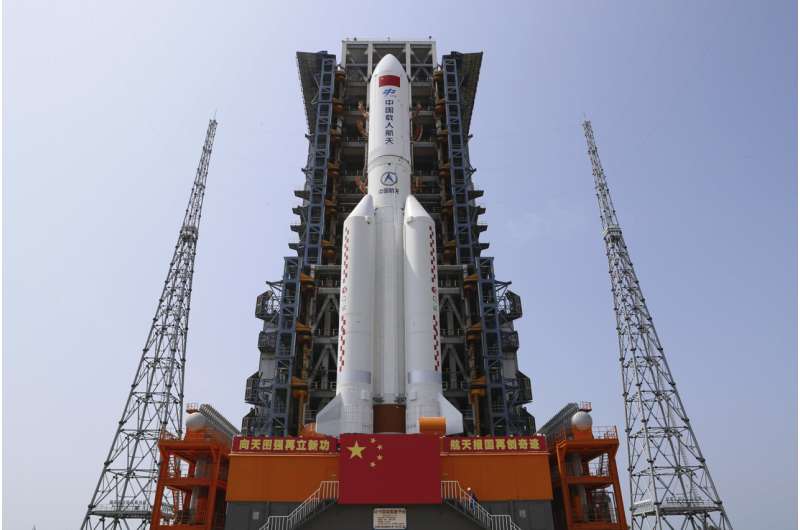
China to launch Heavenly Harmony space station core module
ESA Explores a fictional asteroid impact

Once every two years, asteroid experts around the globe meet up and pretend an asteroid impact is imminent. Why? To prepare for the likely – but plausible – scenario in which this comes true.
Setting sail for sustainable space
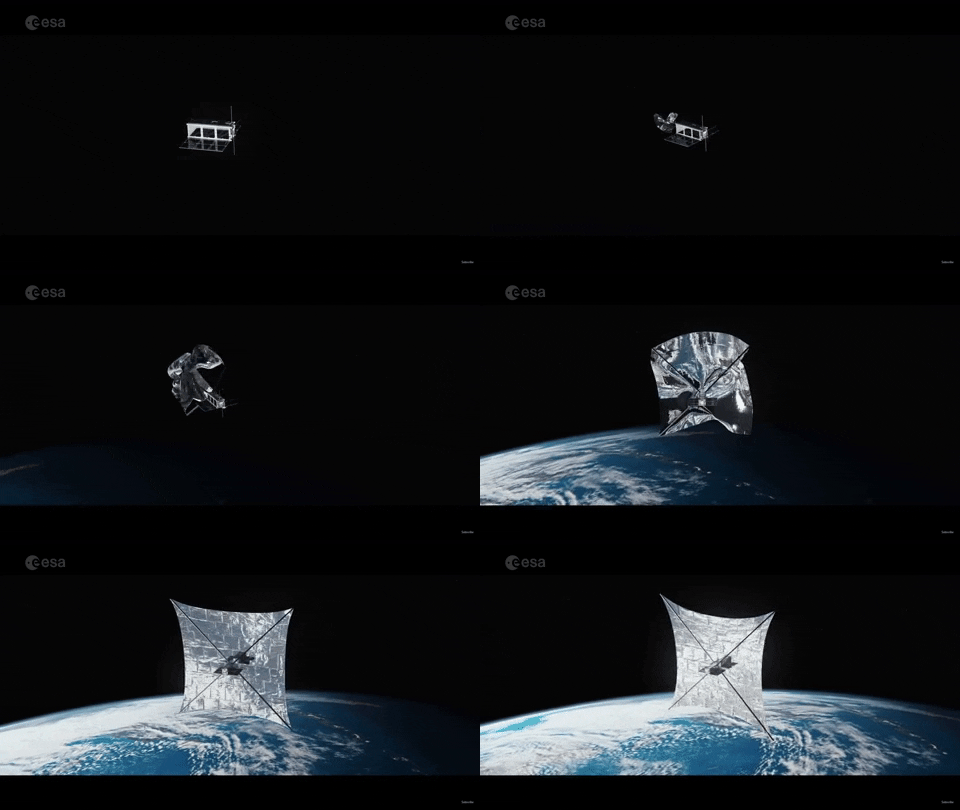
Space is getting crowded. Old satellites, rocket bodies and fragments of both are leaving little space for new satellites to reside in that is free from debris.
The risk of collision with debris and even functioning satellites is increasing, especially in low-Earth orbit, putting many of Earth’s climate, ocean and land monitoring missions in harm’s way.
ESA is working alongside private business to clean up space by developing new missions and technologies that will remove debris from orbit. No space agency or business could solve the debris problem alone, but if it becomes
Senate Commerce Committee advances Nelson nomination to lead NASA

WASHINGTON — Bill Nelson is one step closer to being NASA’s next administrator after his former colleagues on the Senate Commerce Committee voted to advance his nomination.
The committee, meeting in executive session April 28, favorably reported his nomination on a voice vote and without debate.
Max Polyakov buys Dragonfly Aerospace to fill out integrated space strategy
TAMPA, Fla. — Serial entrepreneur Max Polyakov has made the next step in his vertically integrated space strategy, acquiring South African small satellite specialist Dragonfly Aerospace for an undisclosed sum.
Dragonfly mainly builds high-resolution cameras for spacecraft but plans to produce small satellites that could be launched by Firefly Aerospace, which Polyakov owns through his Silicon Valley-based investment vehicle Noosphere Ventures Partners.
Scientists don spacesuits to explore Hawaiian lava tubes as if they were on Mars
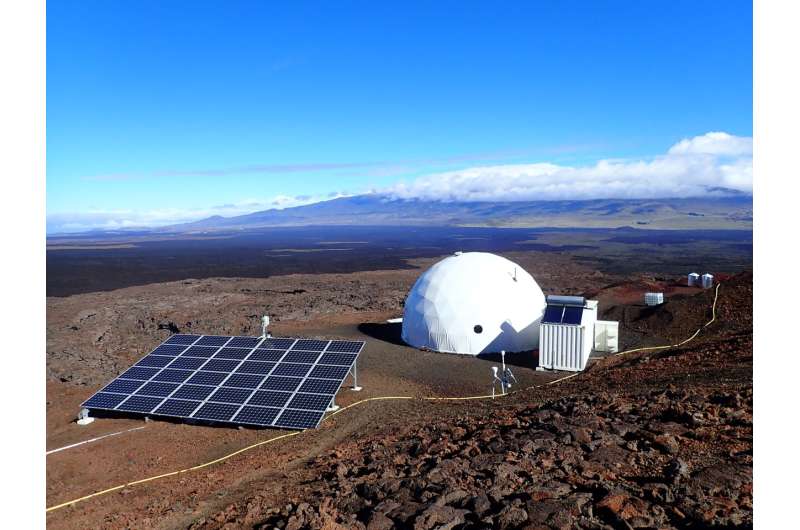
Imagine trying to pick up a pebble or scrape microbes off a cave wall in a bulky spacesuit with puffy gloves on, under a time constraint because you don't want to run out of oxygen. That's what the analog astronauts do daily at the HI-SEAS moonbase habitat in Hawaii as they prepare for future missions to the moon and Mars, says Michaela Musilova of the International MoonBase Alliance (IMA) and director of HI-SEAS, the Hawaii Space Exploration Analog and Simulation.
Musilova will present the latest on her team's research on Hawaiian lava tubes, and the challenges of trying to do research in spacesuits, this week at the European Geosciences Union (EGU) General Assembly 2021.
HI-SEAS is an analog lunar and Martian habitat and research station located high on the volcano Mauna Loa, on Hawaii's Big Island.
Former Air Force procurement chief Will Roper joins board of space startup Ursa Major
WASHINGTON — Space industry startup Ursa Major Technologies has named former Air Force procurement official Will Roper to its the board of directors, the company’s CEO said April 28.
Ursa Major is a venture-funded maker of rocket engines for small and medium launch vehicles.
Space and the new ESG business climate

The E in ESG is getting another boost as the United States rejoins the climate change fight, and space promises to play a central role.
A rising number of companies have already added ESG scorecards to their annual reports, detailing the progress they are making toward environmental, social and corporate governance goals.
The ABCs of ESG: What is it and why does it matter?
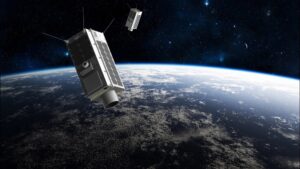
ESG, which stands for environment, social and governance, is a set of nonfinancial criteria that community-minded and bottom-line investors alike are increasingly using to value businesses.
Companies are adding ESG targets and updates on reaching them to their financial statements, where they also record revenues and profits, to help guide socially conscious investors.
Space Symposium adopts hybrid live and virtual format

SAN FRANCISCO – The 36th annual Space Symposium will follow a hybrid model, streaming keynote remarks, presentations, panel discussions from the Broadmoor in Colorado Springs Aug. 23-26 to virtual attendees around the world.
Currently, the Space Foundation is preparing for 50% occupancy in meeting rooms with total attendance of nearly 6,000 people including attendees, exhibitors, media and support staff.


