



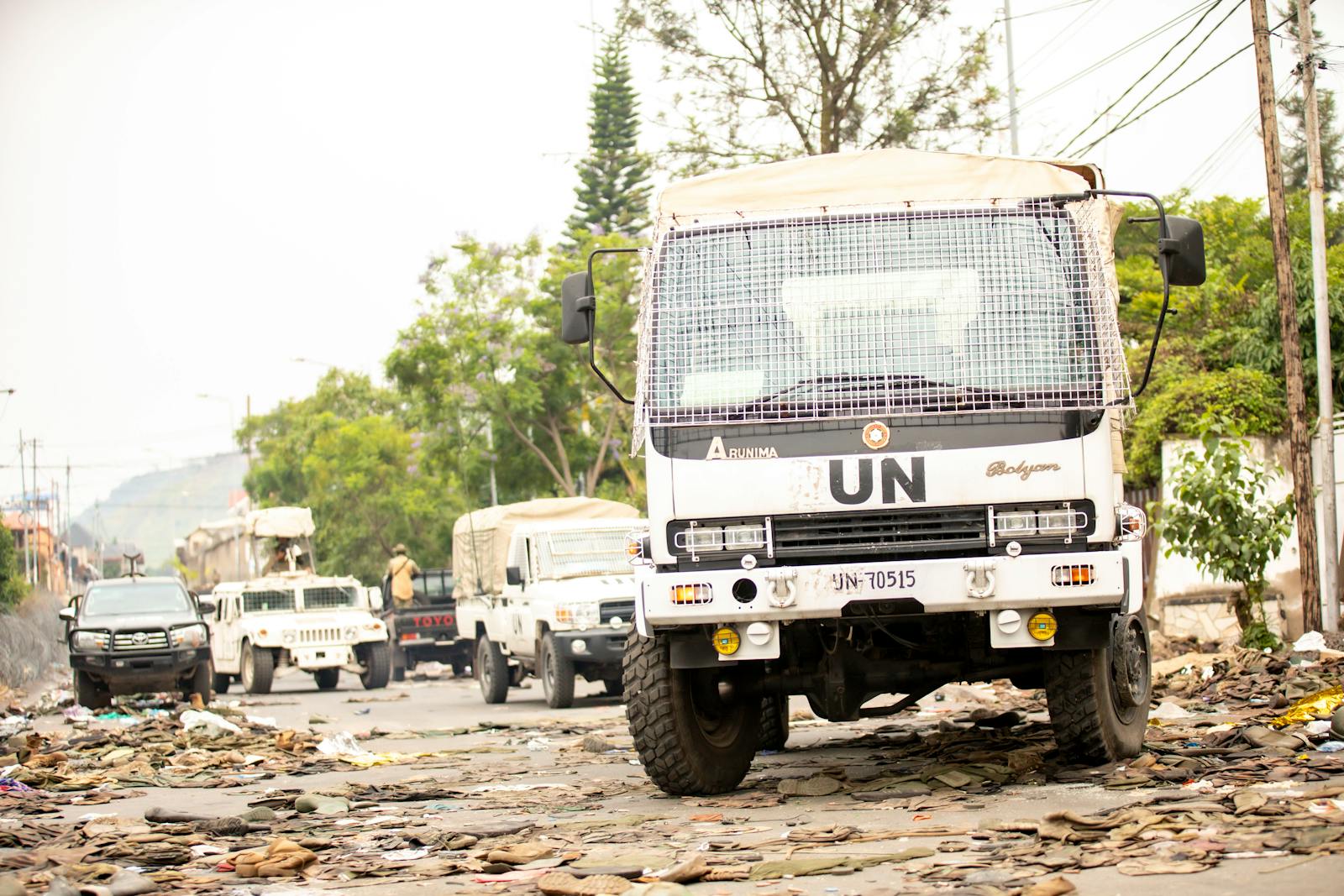
UNIFIL is dying. Not in the dramatic, singular way that makes for breaking news, but in the slow, compounding way that institutions die — one ambush, one unanswered attack, one ignored mandate at a time. The killing of a French peacekeeper in southern Lebanon, shot dead in a deliberate ambush while trying to open a supply route to a cut-off UN position, is not simply an incident. It is evidence of institutional collapse. The blue helmet no longer offers protection in southern Lebanon because the conditions that made it meaningful — agreed norms, respected boundaries, parties with some interest in stability — have ceased to exist.
Initial assessments have reportedly pointed to non-state actors, with speculation about possible Hezbollah involvement, though Hezbollah has denied any connection. French President Emmanuel Macron condemned the killing and called for an investigation.
A Patrol Walked Into An Ambush
The patrol had been trying to open a supply route to a UNIFIL position cut off by recent fighting. Reports indicate the soldier was killed by direct small-arms fire during the ambush. Three comrades were wounded.
UNIFIL has deployed along the Israel-Lebanon border since 1978. Its mandate was never easy. It is close to impossible now.
Reports indicate that UN peacekeepers were killed recently in southern Lebanon when an explosion of unknown origin destroyed their vehicle.
UN Secretary-General Antonio Guterres said the killing was one of several recent incidents that have endangered peacekeepers, a statement that read less as condemnation than as acknowledgment that the rules governing UNIFIL’s presence have effectively collapsed.
Hezbollah’s Denial And The Attribution Problem
In a statement, Hezbollah denied any connection to the incident and urged caution before judgements were issued.
The denial matters less than the attribution problem it reveals. Southern Lebanon has become a patchwork of armed actors — Hezbollah fighters, splinter cells, criminal networks operating under the cover of war, and Israeli forces conducting ground operations. Identifying who fired a particular weapon in that environment is genuinely difficult, which is precisely why ambushes have become a viable tactic for any party wanting to shape the conflict without owning the consequences.
UNIFIL’s investigation will eventually produce a finding. Whether that finding is accepted by the parties whose behavior it implicates is a separate question entirely.
The Ceasefire That Isn’t
A recently announced Israel-Lebanon ceasefire took effect only days before the attack. It was always fragile. Lebanon was drawn into the broader war after Hezbollah fired rockets toward Israel following escalating regional tensions. What followed has reshaped the country — thousands killed in Israel’s bombing campaign and ground invasion, over a million forced from their homes.
An agreement that produces ambushes, airstrikes, and peacekeeper casualties within its first week is not functioning as a ceasefire. It is functioning as cover. The gap between paper ceasefires and ground reality in Lebanon’s buffer zone continues to widen, and the forces that were supposed to bridge that gap are instead being killed by it.
What The Attack Tells Us About UNIFIL’s Future
The deeper question raised by the killing is whether UNIFIL can continue to function at all. The force was designed for a different conflict — one where its presence along the Blue Line provided a useful buffer and where all parties had some interest in maintaining a baseline of stability. That calculation has shifted.
For Israel, UNIFIL positions sit inside what has become an active ground operation zone. For Hezbollah, the force is either irrelevant to its strategic calculations or, worse, a witness to activities it would prefer went unrecorded. For the contributing nations — France prominent among them — the political cost of losing soldiers in a mission that no longer has a credible mandate is rising fast.
France has historically been one of UNIFIL’s most committed contributors. Macron’s government will now face domestic pressure to explain what French soldiers are doing in a combat zone where a nominal ceasefire does not hold and where the belligerents dispute who is even shooting at whom.
The Broader Pattern
Peacekeeping is a 20th-century institution being asked to operate in a 21st-century conflict environment. The assumption underlying UNIFIL and similar missions was that states would observe certain norms around the safety of blue helmets, and that non-state actors would at least weigh the reputational cost of attacking them. Both assumptions are eroding.
Residents in Beirut neighborhoods struck during bombing campaigns have told reporters that the attacks were pushing even Hezbollah’s critics toward the group. Civilians report feeling driven toward militancy by Israel’s tactics. That radicalization dynamic works against any scenario in which UNIFIL’s traditional role can be restored.
What is happening in Lebanon is not a local failure. It is a test case. If UNIFIL — the UN’s most visible, most resourced, most politically supported peacekeeping mission — cannot maintain even the safety of its own personnel, the implications extend far beyond the Blue Line. Every troop-contributing nation watching French soldiers come home in coffins is recalculating its own exposure. Every armed group in every conflict zone where blue helmets patrol is registering that the cost of targeting peacekeepers has dropped to near zero.
What Comes Next
Three things worth watching in the coming weeks.
First, whether France changes its rules of engagement or posture for its UNIFIL contingent. A unilateral French response — even a symbolic one — would signal that contributing nations are done treating peacekeeper deaths as acceptable background noise.
Second, whether the UN Security Council can produce anything beyond a statement. The body has been paralyzed on Lebanon since March, with Washington and Moscow taking opposite positions on virtually every resolution.
Third, whether any contributing nation begins quietly withdrawing personnel. That is the real threshold. Not the diplomatic statements, not the investigations — but the moment governments start pulling their people out of a mission they no longer believe in. Once that starts, it does not stop at Lebanon. It redraws the viability of UN peacekeeping from Mali to the Democratic Republic of Congo to Cyprus. The precedent being set in southern Lebanon is not about one mission. It is about whether the international community can still put soldiers between warring parties and expect anyone to care about the uniform they wear.
The French soldier killed has not been publicly named pending notification of family. He is the latest entry in a list that is getting longer faster than anyone involved in the diplomatic process seems prepared to admit. The question is no longer whether UNIFIL’s mandate can be fulfilled. It is whether the concept of peacekeeping itself survives what comes next.
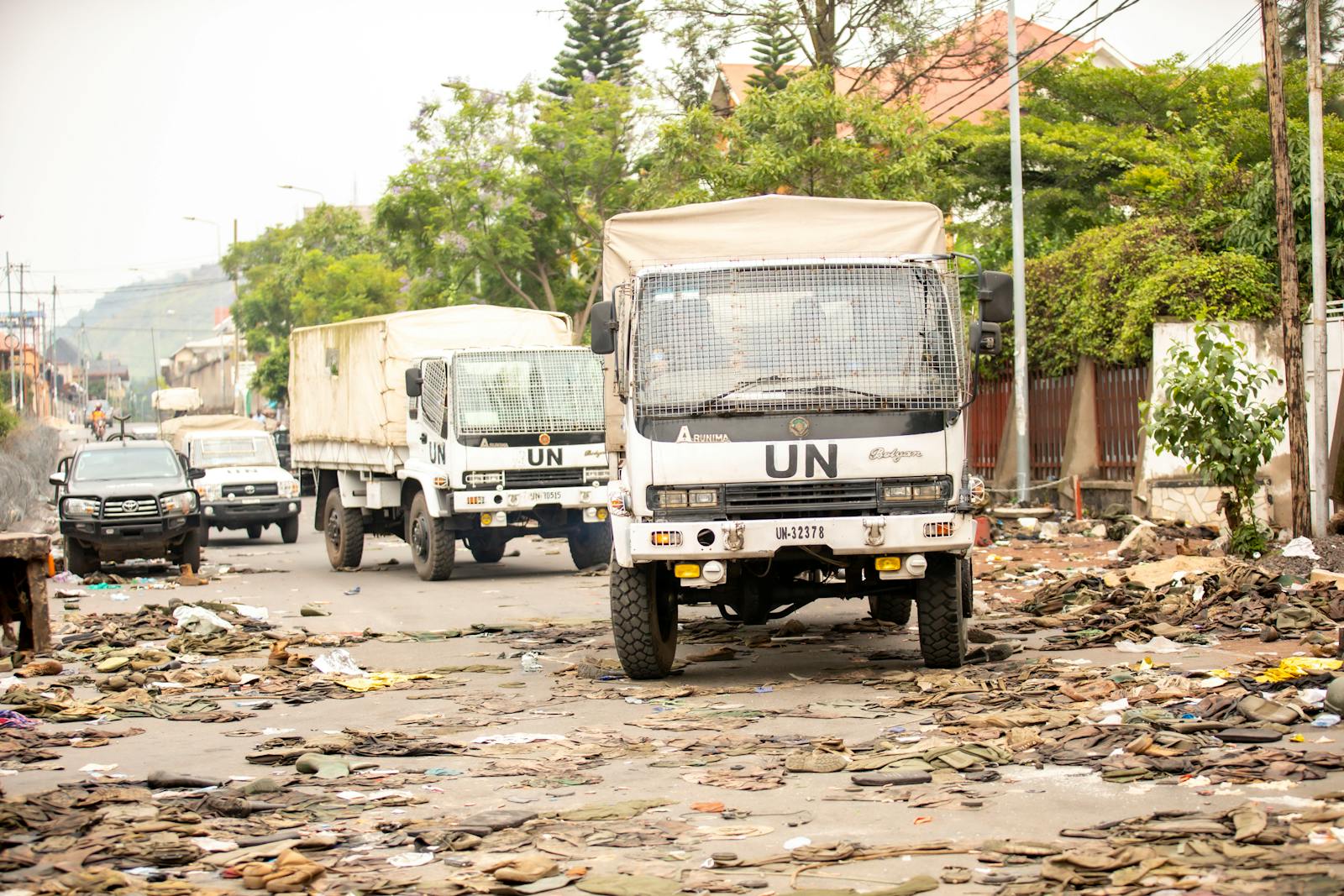
Photo by Safi Erneste on Pexels