

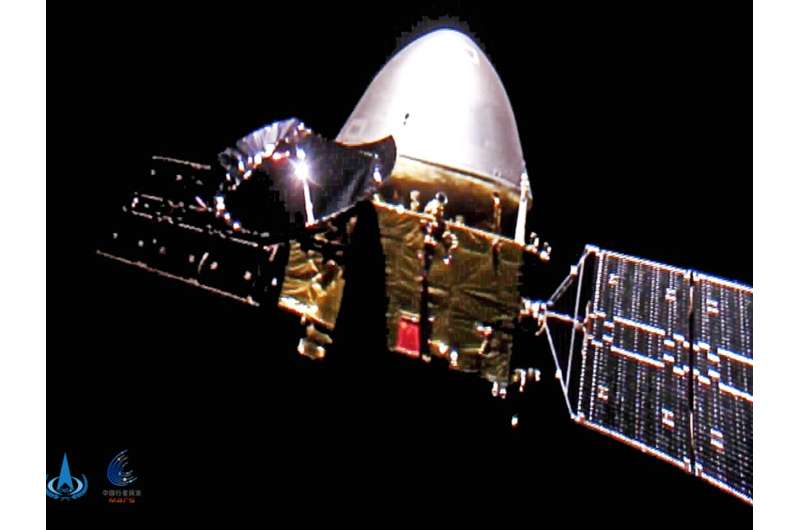
Official: China's moon probe will carry French, Russian gear
OneWeb adds 36 satellites to broadband constellation as deployment accelerates
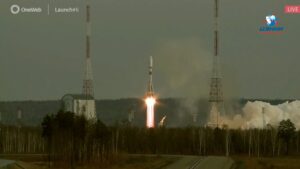
TAMPA, Fla. — OneWeb’s growing low Earth orbit broadband constellation is set to reach 182 satellites, after Arianespace launched its latest batch of 36 spacecraft April 25.
Arianespace launched the satellites with a Soyuz-2.1b rocket that blasted off 6:14 p.m.
U.S. military’s appetite for information fueling demand for space technology
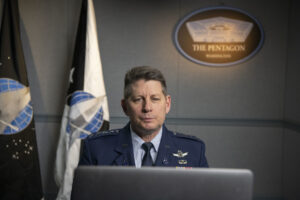
WASHINGTON — The U.S. Army last week announced plans to explore new uses of satellites and other space technology in support of soldiers on the ground.
This is a clear sign that the demand for space-based capabilities is growing across the U.S.
ESA to live tweet asteroid impact exercise

For almost a decade, world asteroid experts have been meeting every two years at the Planetary Defense Conference and pretending an asteroid impact is imminent. Why? To prepare for the unlikely – but plausible – scenario in which this comes true.
NASA investigates vegetation
 From the vantage point of space, NASA's fleet of Earth-observing satellites joins with those of partner interagency and international agencies to investigate and illuminate connections between ecosystems that are continents apart, or right next door. With a global perspective, scientists can observe how factors like deforestation, climate change and disasters impact forests and other plant life
 Copernicus Masters 2021 submissions open
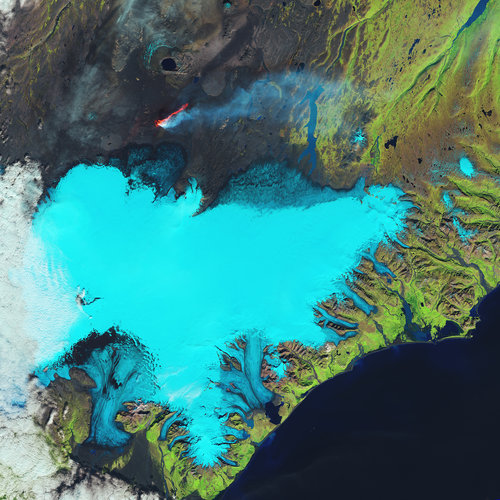
The Copernicus Masters 2021 competition is now open for submissions. This international competition awards prizes to innovative solutions, developments and ideas for business and society that use satellite data from the Copernicus programme.
Mission Alpha in images

Mission Alpha in images
Image gallery of the Mission Alpha
Ingenuity performs third Mars flight as final, most challenging tests await
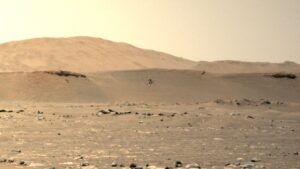
WASHINGTON — NASA’s Ingenuity helicopter performed its third flight on Mars April 25, setting it up for its final, and most challenging, tests.
Ingenuity took off from the Martian surface at 4:31 a.m. Eastern, going up to an altitude of five meters.
China, Russia open moon base project to international partners, early details emerge
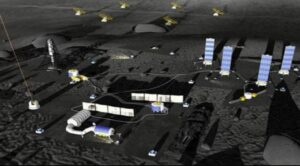
HELSINKI — Russia and China have formally invited countries and international organizations to join the International Lunar Research Station (ILRS) project being developed by the two nations.
NOAA's GOES-T completes solar array deployment test
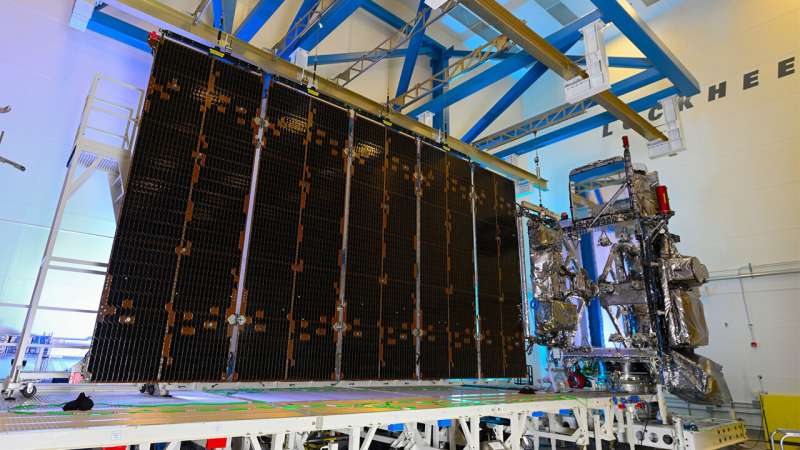
On March 3, 2021, engineers completed a successful test deployment of the GOES-T solar array as part of a series of tests to prepare the satellite for a planned December 2021 launch.
This critical test verified that the satellite's large, five-panel solar array—which is folded up when the satellite is launched—will properly deploy when GOES-T reaches geostationary orbit. During this test, engineers unfurled the five panels on rails that simulated the zero-gravity environment of space. Each solar panel is approximately 13 feet tall by 4.5 feet wide and weighs approximately 45 pounds.
Once GOES-T reaches orbit, the deployed solar panels will form a single solar array wing that will rotate once per day to continuously point its photovoltaic (solar) cells toward the sun. These cells will convert solar energy into electricity to power the entire satellite, including the instruments, computers, data processors, sensors, and telecommunications equipment. The solar array will generate more than 5,000 watts of power for the satellite.


