

Crew-2 arrives at ISS
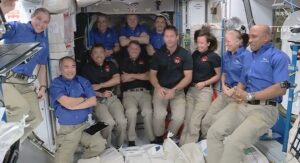
WASHINGTON — A SpaceX Crew Dragon spacecraft arrived at the International Space Station April 24, less than 24 hours after its launch from Florida, giving the station its largest crew in a decade.
The Crew Dragon spacecraft Endeavour, which launched from the Kennedy Space Center April 23, docked with the station’s Harmony module at 5:08 a.m.
Recruiting in trying times: How Lockheed Martin Space hired thousands (plus 700 interns) in a pandemic

Lockheed Martin Space hired 2,700 people plus 700 interns in 2020, a year unlike any other for human resources managers. Almost overnight, the prime contractor with about 23,000 employees switched from its traditional in-person approach to virtual recruitment, interviewing and training.
Mission Alpha launch to docking highlights
 Video:
00:02:21
Video:
00:02:21
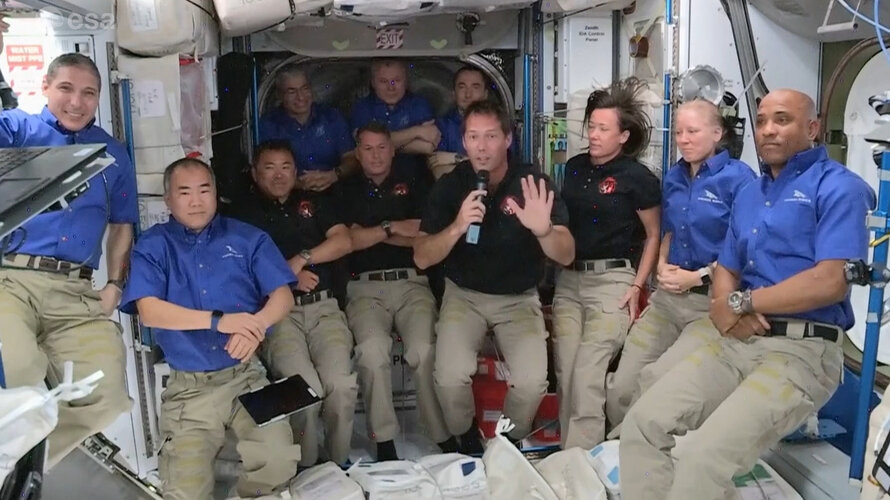
Highlights of the launch and first day in space of ESA astronaut Thomas Pesquet on the Alpha mission.
On 24 April at 11:08 (CEST) the Crew Dragon spacecraft with ESA astronaut Thomas Pesquet, NASA astronauts Megan McArthur and Shane Kimbrough, and JAXA (Japan Aerospace Exploration Agency) astronaut Akihiko Hoshide docked with the International Space Station’s Node-2 Harmony module, marking the start of ESA’s six-month mission Alpha.
The crew spent around 23 hours orbiting Earth and catching up with the International Space Station after their launch on 23 April at 10:49 BST (11:49 CEST, 05:49 local time). The launch to
Mission Alpha: Josef Aschbacher congratulates the crew
 Video:
00:04:17
Video:
00:04:17
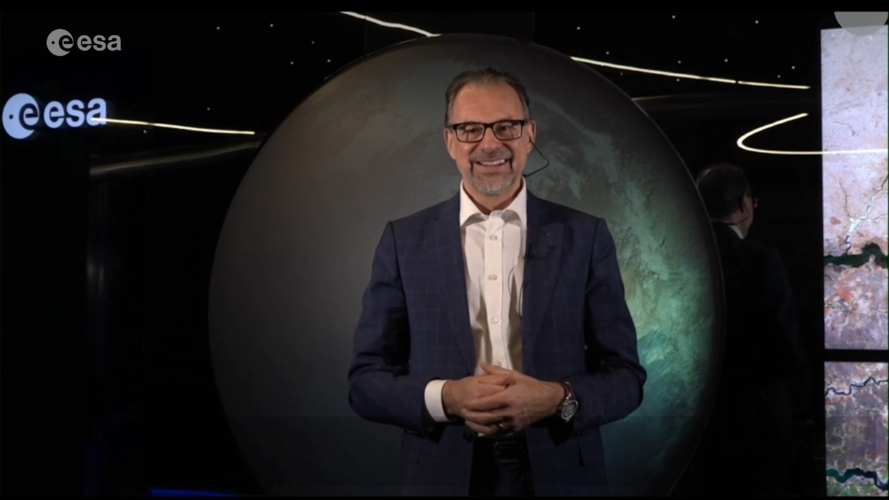
ESA Director General Josef Aschbacher congratulates the Dragon Crew 2 shortly after they enter the Space Station. ESA astronaut Thomas Pesquet, NASA astronauts Megan McArthur and Shane Kimbrough, and JAXA (Japan Aerospace Exploration Agency) astronaut Akihiko Hoshide arrived at the Station one day after their launch on 23 April at 10:49 BST (11:49 CEST, 05:49 local time).
Thomas is the first ESA astronaut to fly in space in a vehicle other than the Russian Soyuz or the US Space Shuttle, and the first ESA astronaut to leave Earth from Florida, USA, in over a decade. This is his
Biggest space station crowd in decade after SpaceX arrival
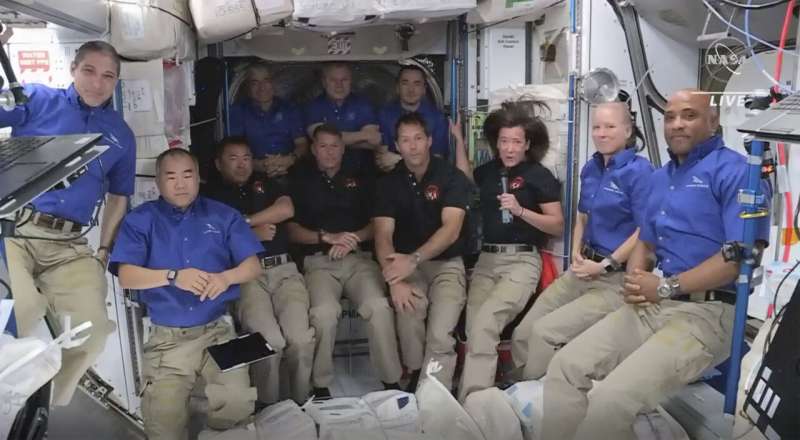
The International Space Station's population swelled to 11 on Saturday with the jubilant arrival of SpaceX's third crew capsule in less than a year.
SpaceX Crew-2 astronauts enter International Space Station
 The four astronauts aboard Crew-2 Dragon capsule Endeavour entered the International Space Station on Saturday morning, more than 26 hours after being launched from Florida.
The arrival boosted space station occupancy temporarily to 11, one of the highest numbers in history and the most since the space shuttle program ended in 2011. The record was set in 2009 with 13 people on board.
The four astronauts aboard Crew-2 Dragon capsule Endeavour entered the International Space Station on Saturday morning, more than 26 hours after being launched from Florida.
The arrival boosted space station occupancy temporarily to 11, one of the highest numbers in history and the most since the space shuttle program ended in 2011. The record was set in 2009 with 13 people on board. Georgia Tech shares $15M from NASA to advance deep space exploration
 Every few years, NASA creates Space Technology Research Institutes (STRI) in areas it believes are going to be strategic for future technology and space missions. Today, that area is electric propulsion - the use of electrical energy to accelerate propellant to create thrust. The technology yields extremely efficient thrusters to power space flight for gateway launches to the moon or even shuttl
 Stone skipping techniques can improve reentry of space vehicles
 Skipping stones on a body of water is an age-old game, but developing a better understanding of the physics involved is crucial for more serious matters, such as water landings upon reentry of spaceflight vehicles or aircrafts.
In Physics of Fluids, by AIP Publishing, scientists from several universities in China reveal several key factors that influence the number of bounces a skipping st
Skipping stones on a body of water is an age-old game, but developing a better understanding of the physics involved is crucial for more serious matters, such as water landings upon reentry of spaceflight vehicles or aircrafts.
In Physics of Fluids, by AIP Publishing, scientists from several universities in China reveal several key factors that influence the number of bounces a skipping st China’s commercial sector finds funding and direction

China has experienced an explosion of commercial space companies since 2014, driven by the government opening up the space sector to private capital.
According to Chinese publication Future Aerospace, there were 141 registered commercial aerospace companies in China by the end of 2018, in areas including launch, propulsion, satellite manufacturing, payloads and applications and ground stations.
NASA's Mars helicopter's third flight goes farther, faster than before
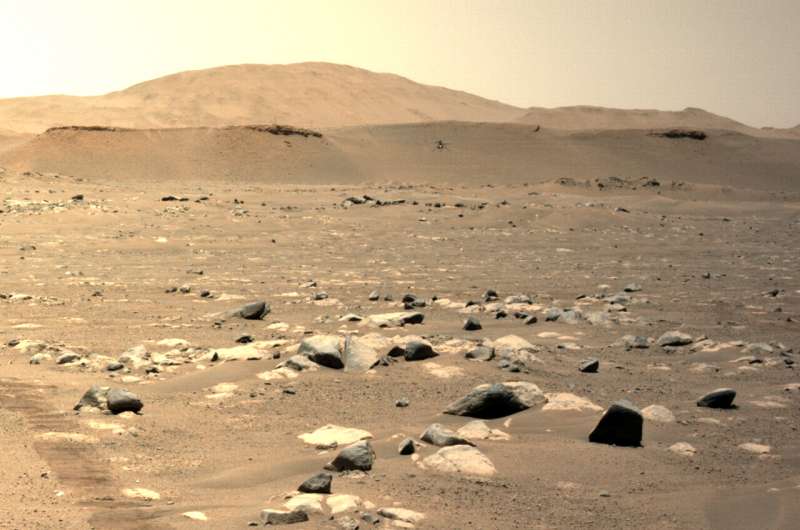
NASA's mini helicopter Ingenuity on Sunday successfully completed its third flight on Mars, moving farther and faster than ever before, with a peak speed of 6.6 feet per second.
After two initial flights during which the craft hovered above the Red Planet's surface, the helicopter on this third flight covered 64 feet (50 meters) of distance, reaching the speed of 6.6 feet per second (two meters per second), or four miles per hour in this latest flight.
"Today's flight was what we planned for, and yet it was nothing short of amazing," said Dave Lavery, the Ingenuity project's program executive.


