An upcoming asteroid mission will be able to peer 100 meters under the surface
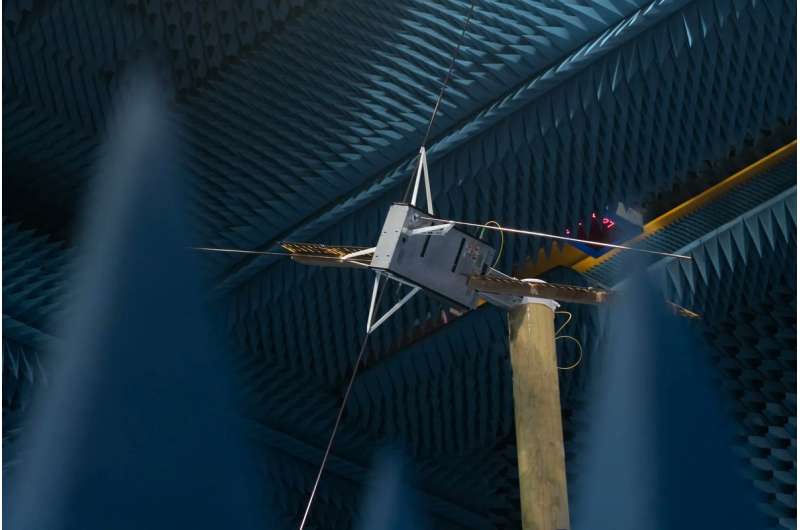
Engineers only get one shot at making a spacecraft work as intended—or at least they only get one shot in space. In the preparation leading up to that final, climactic moment, there are typically thousands of hours of tests run on numerous systems and subsystems. If all goes well, it bodes well for the mission's overall success, but if problems arise, it's much easier to address them on the ground than while a spacecraft is already orbiting. A new spacecraft model known as Juventas just completed a significant testing milestone, passing testing in a room known as an anechoic chamber.
That milestone is essential for Juventas, as its primary mission focuses on a low-frequency radar the craft will use to peer 100 meters beneath the surface of Dimorphos, the smaller partner in the Didymos binary asteroid system.
Three startups win prize money from U.S. Space Force accelerator
Varda Space Industries, SCOUT and Neutron Star Systems were the top three startups in the Hyperspace Challenge
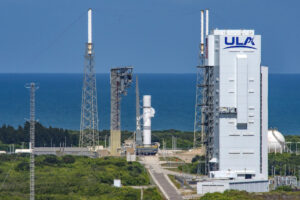
Tory Bruno: ULA won’t get engines by Christmas, BE-4s coming in early 2022
Studying our solar system's protective bubble
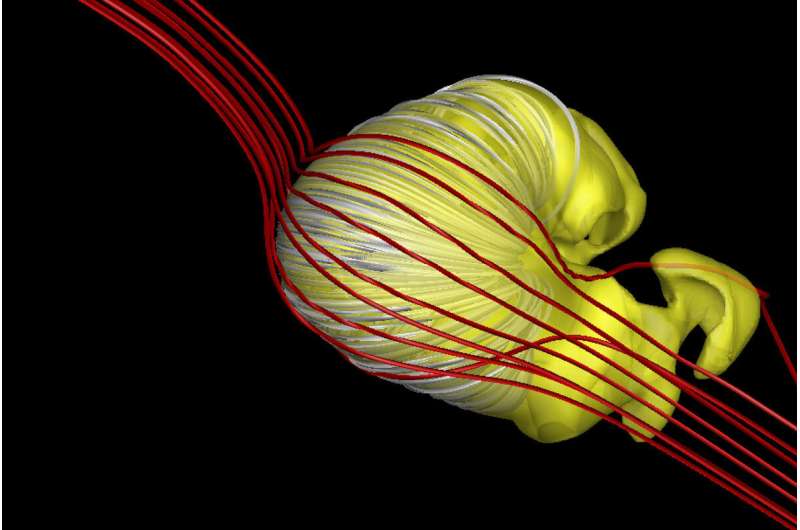
A multi-institutional team of astrophysicists headquartered at Boston University, led by BU astrophysicist Merav Opher, has made a breakthrough discovery in our understanding of the cosmic forces that shape the protective bubble surrounding our solar system—a bubble that shelters life on Earth and is known by space researchers as the heliosphere.
Astrophysicists believe the heliosphere protects the planets within our solar system from powerful radiation emanating from supernovas, the final explosions of dying stars throughout the universe.
Lightweight space robot with precise control developed
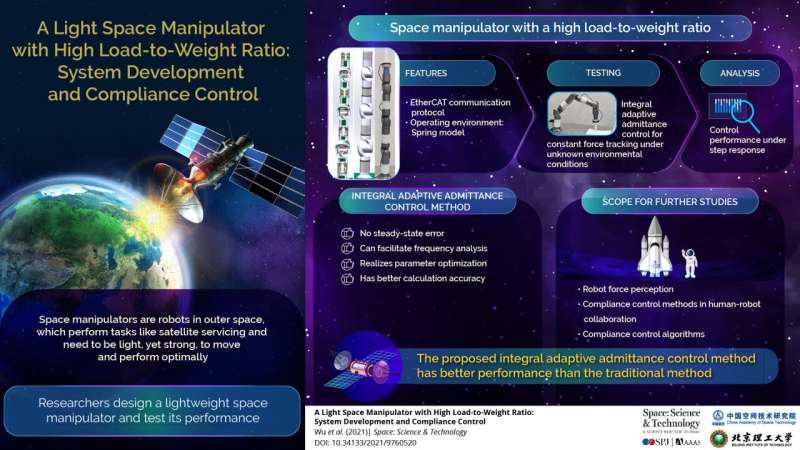
Robots are already in space. From landers on the moon to rovers on Mars and more, robots are the perfect candidates for space exploration: they can bear extreme environments while consistently repeating the same tasks in exactly the same way without tiring. Like robots on Earth, they can accomplish both dangerous and mundane jobs, from space walks to polishing a spacecraft's surface. With space missions increasing in number and expanding in scientific scope, requiring more equipment, there's a need for a lightweight robotic arm that can manipulate in environments difficult for humans.
However, the control schemes that can move such arms on Earth, where the planes of operation are flat, do not translate to space, where the environment is unpredictable and changeable.
Changes ahead for Space Force procurement organizations
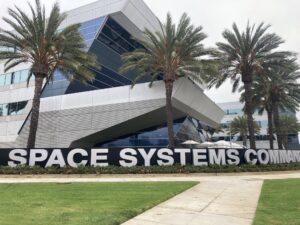
A new senior procurement executive for space programs will oversee the transfer of the Space Development Agency and a restructuring of the Space Systems Command
NASA to award SpaceX three more commercial crew flights
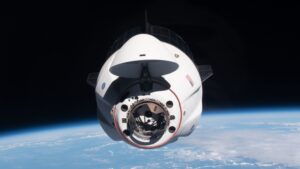
NASA announced Dec. 3 its intent to purchase three more commercial crew missions from SpaceX as a hedge against further delays in the certification of Boeing’s CST-100 Starliner.
Northrop Grumman wins NASA contract for SLS booster production
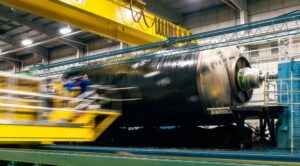
NASA awarded a contract to Northrop Grumman Dec. 2 for the production of several pairs of Space Launch System solid rocket boosters as well as development of a new version of the booster.
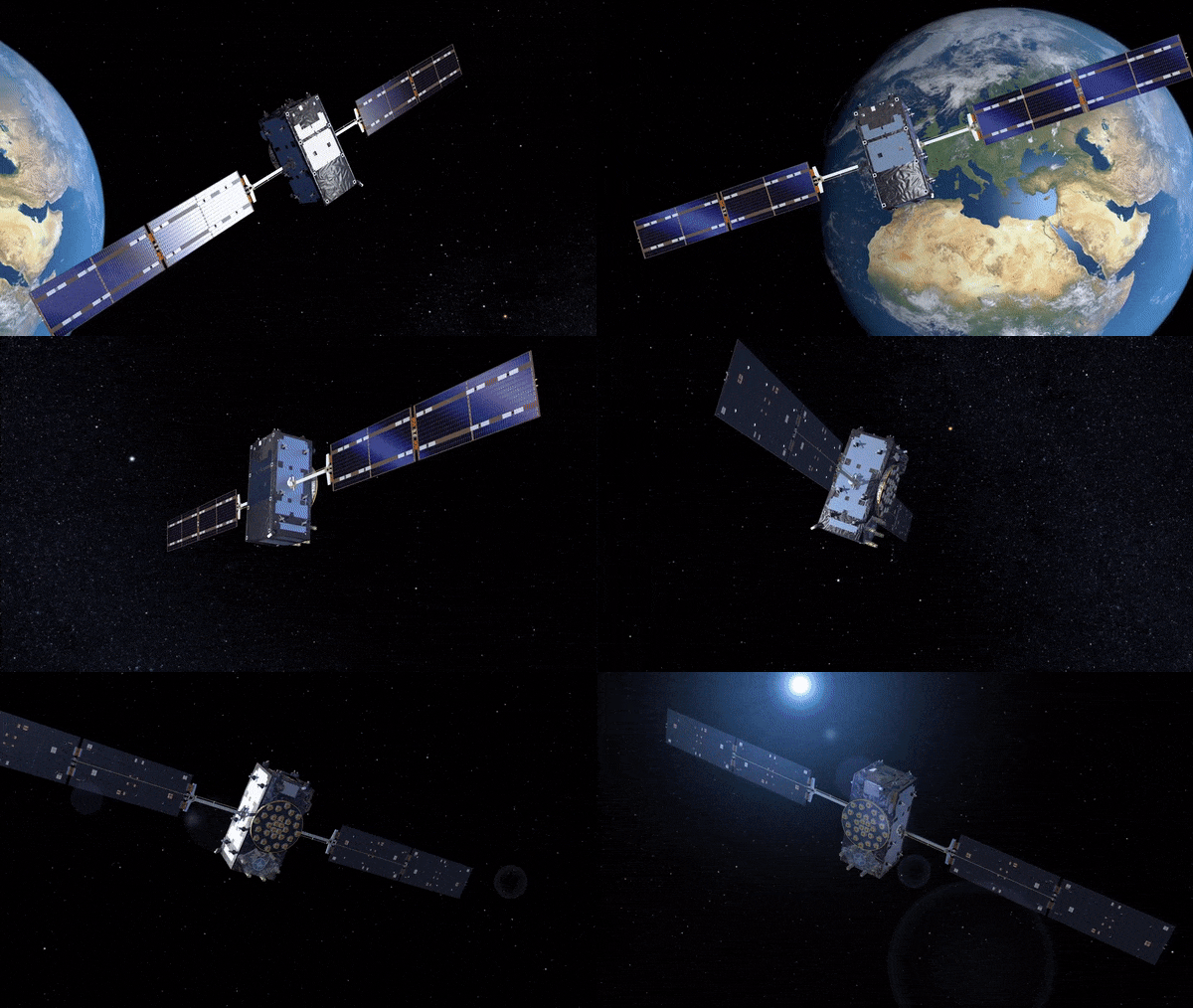
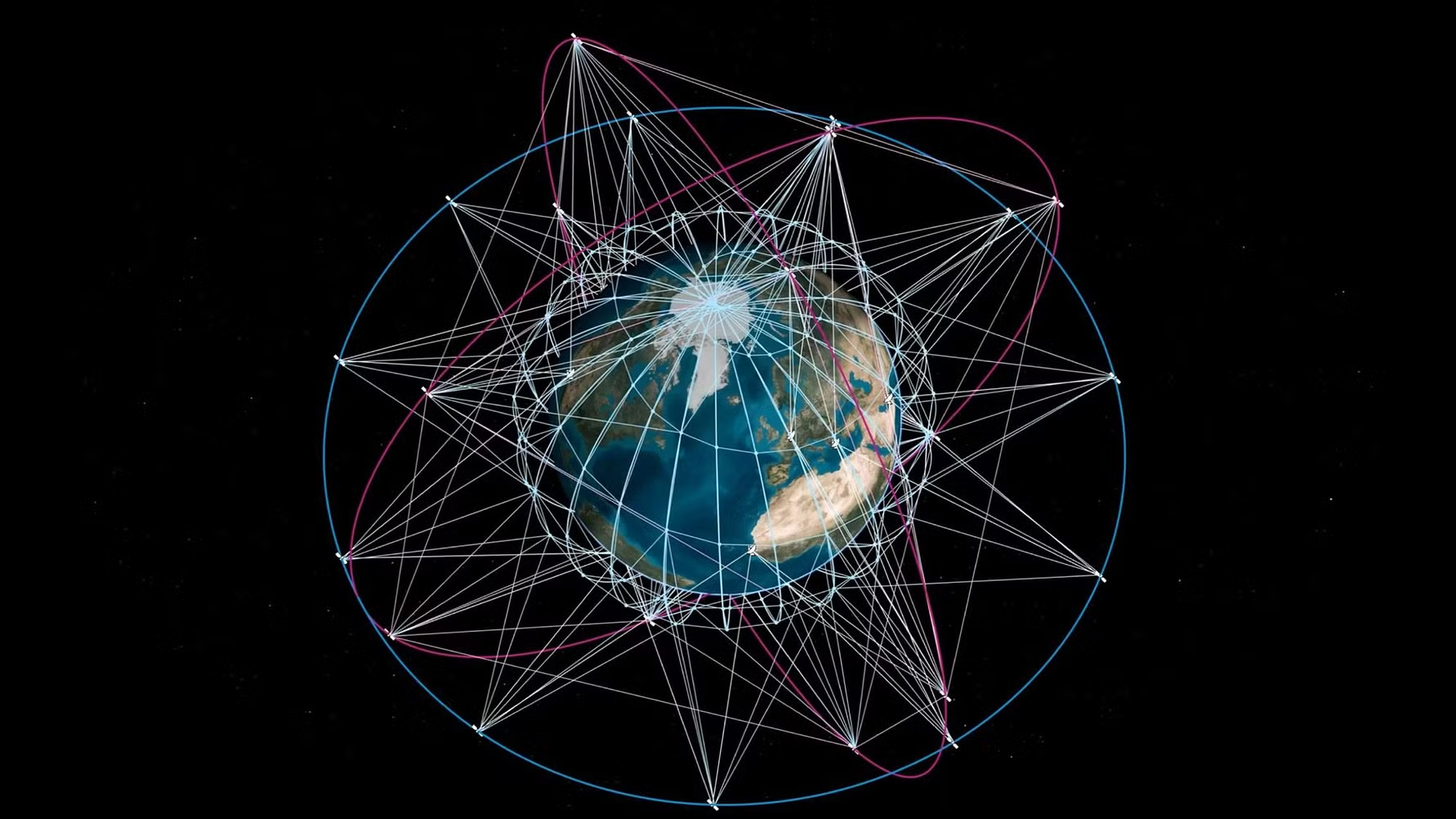
Watch Galileo launch on night of 4-5 December
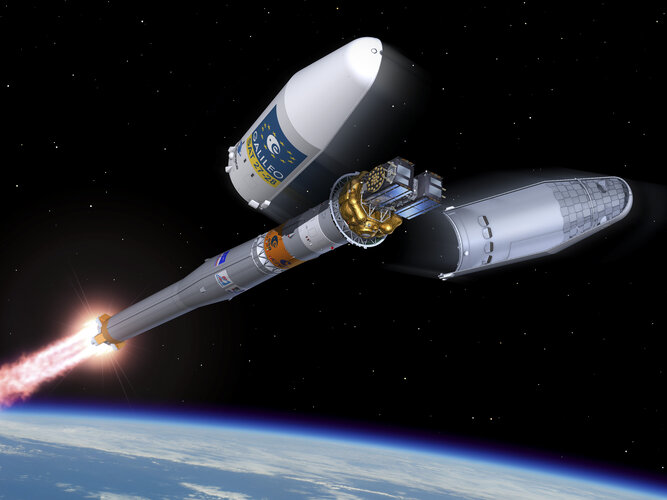
The launch of Europe’s latest Galileo satellites is now scheduled for the night of 4-5 December.
Antarctica experiences rare total solar eclipse
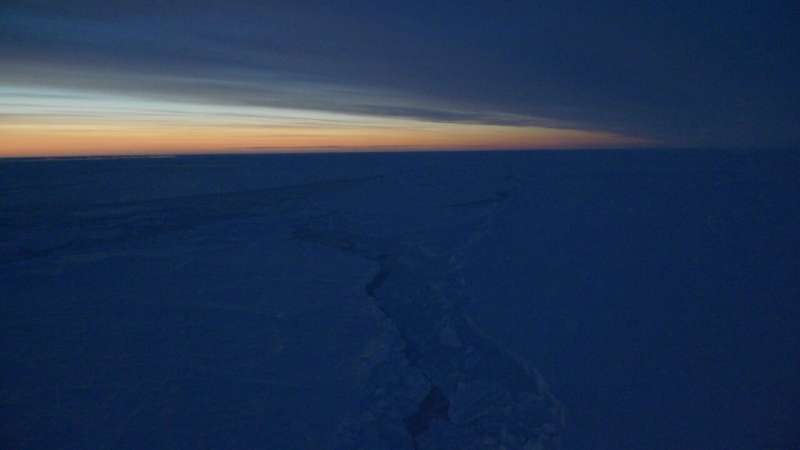
A rare total solar eclipse in Antarctica this weekend (Saturday 4 December) is giving researchers a unique opportunity to learn more about how solar eclipses affect space weather. The next total eclipse in Antarctica will not be until 2039.
The total eclipse, which happens when the sun and moon are in line with the Earth, will only be visible in Antarctica, sweeping across the Ronne ice shelf and Ellsworth land, with the rest of Antarctica in partial shadow. The maximum eclipse will be at 0733 GMT.
John Law, Antarctic Atmospheric Scientist at Rothera station says that "the team here are really excited about being able to witness the eclipse on Saturday morning. We will be setting our alarm clocks for the early hours, the maximum amount of Sun that will be hidden by the moon will be around 94% around 4am in the morning. During the summer, the sun never sets below the horizon so even at 4am we should see the effect of the eclipse.