

Ingenuity makes second flight on Mars
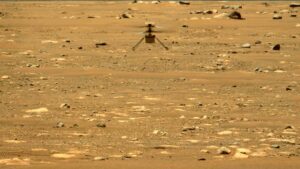
ORLANDO — NASA’s Ingenuity helicopter successfully made its second flight on Mars April 22, expanding its flight envelope as the project considers more ambitious tests in the coming days.
Ingenuity took off at 5:33 a.m. Eastern on the 51.9-second flight, although controllers at the Jet Propulsion Laboratory waited nearly four hours before telemetry and images from the flight were returned to Earth.
SpaceX and OneWeb spar over satellite close approach
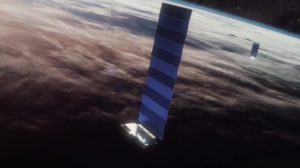
ORLANDO — An alleged close approach between satellites from OneWeb and SpaceX led to a meeting between the companies and the Federal Communications Commission, but the companies don’t completely agree on what resulted from that discussion.
LeoLabs declares Costa Rica Space Radar operational
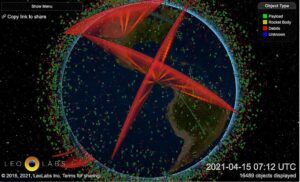
SAN FRANCISCO – LeoLabs’ announced April 22 that two S-band radars in Costa Rica have begun tracking objects in low Earth orbit and delivering data to customers.
“The Costa Rica Space Radar completes our coverage of low Earth orbit,” Dan Ceperley, LeoLabs CEO and co-founder, told SpaceNews.
Op-ed | The Senator and the Commander

For nearly two decades, I have been working to develop revolutionary spacesuit technology called the BioSuit system, which enhances astronaut performance by creating pressure through compression directly on the skin rather than with pressurized gas. If NASA is to truly explore Mars and its mountains, astronauts need flexibility and mobility not offered by the heavy and bulky suits that carried the Apollo astronauts to the moon.
How a space doctor keeps astronauts healthy on the ISS
From muscle loss to radiation exposure and the psychological effects of confinement, spaceflight takes a toll on those lucky enough to experience it.
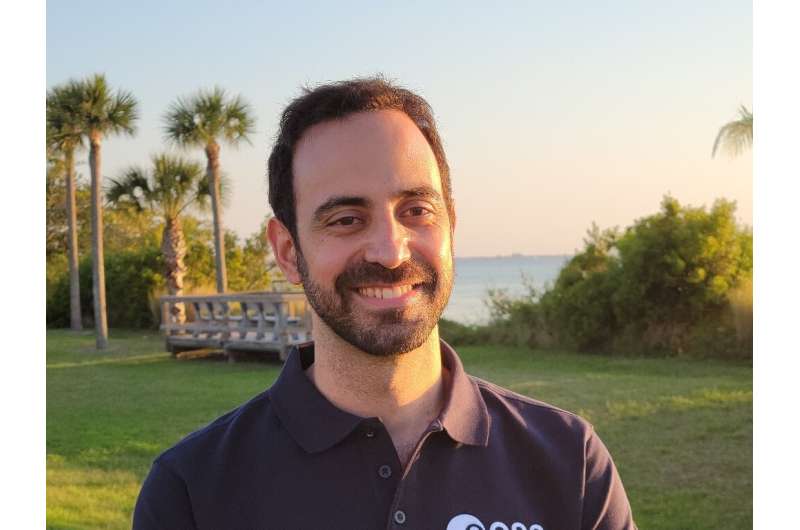
European Space Agency flight surgeon Adrianos Golemis, who is responsible for the health of astronaut Thomas Pesquet during the SpaceX Crew-2 mission, shared some insights on the field of space medicine.
Q: What are the major health challenges of space?
A: If we talk about low Earth orbit where the ISS lies, you have almost zero gravity so that takes its toll on your bones and your muscles.
Radiation is a major issue, because here on the ground we are protected by the magnetosphere (magnetic field) and by the atmosphere, but if we go beyond, this protection goes away.
And of course we should not forget we have things that we are just beginning to understand: for example eye pathology (disease), or venous thrombosis (blood clots) that some healthy astronauts develop.
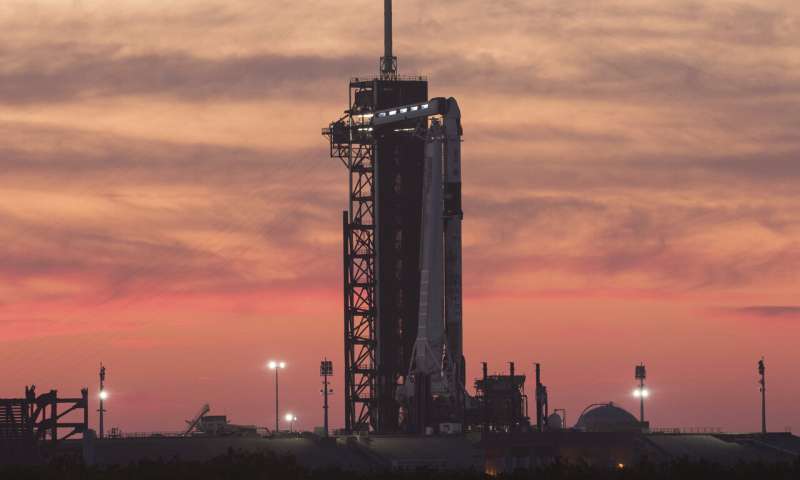
SpaceX aims for 3rd crew launch hour before Friday's sunrise
NASA's Mars helicopter makes second flight
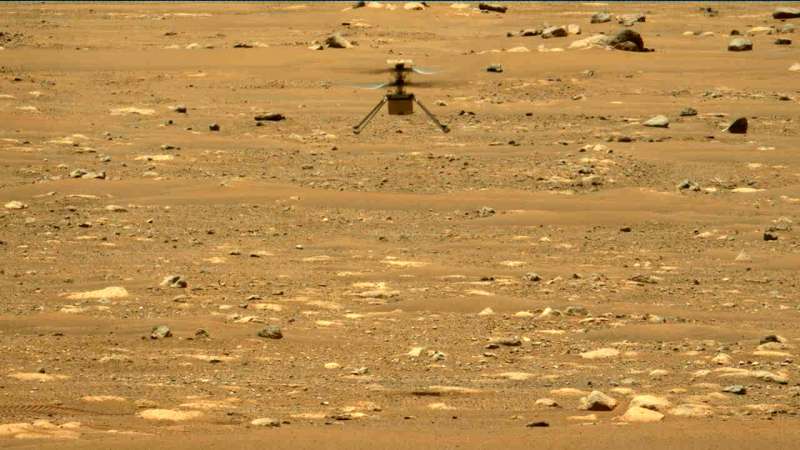
NASA successfully carried out a second flight on Mars on Thursday of its mini helicopter Ingenuity, a 52-second sortie that saw it climb to a height of 16 feet (five meters).
"So far, the engineering telemetry we have received and analyzed tell us that the flight met expectations," said Bob Balaram, Ingenuity's chief engineer at NASA's Jet Propulsion Laboratory in southern California.
Crew Dragon countdown to the launchpad
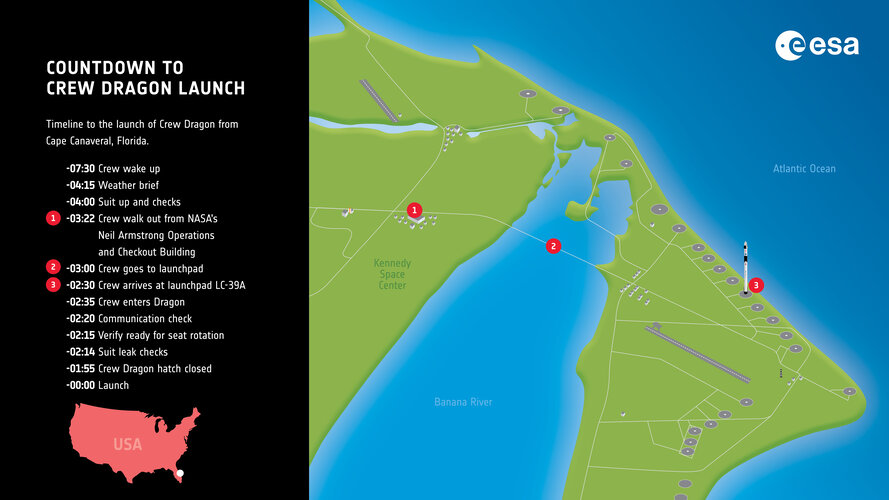 Image:
Crew Dragon countdown to the launchpad
Image:
Crew Dragon countdown to the launchpad Crew Dragon rendezvous and docking with the International Space Station
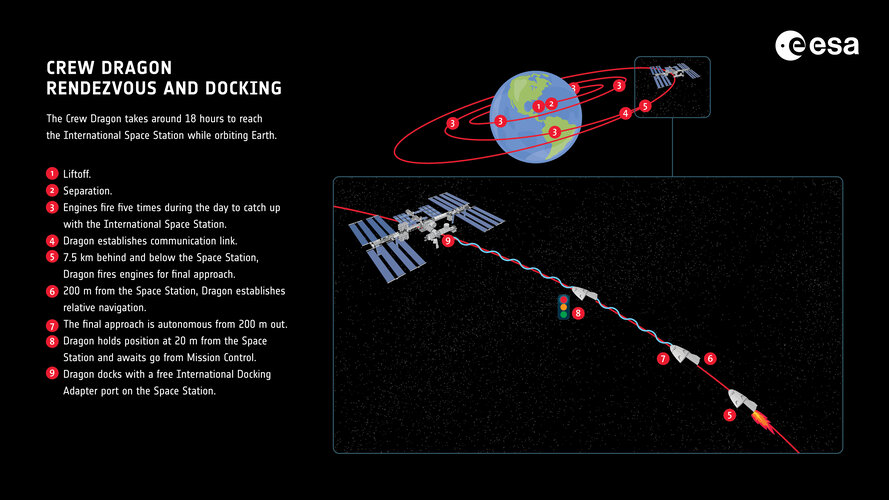 Image:
Crew Dragon rendezvous and docking with the International Space Station
Image:
Crew Dragon rendezvous and docking with the International Space Station Crew Dragon countdown to liftoff
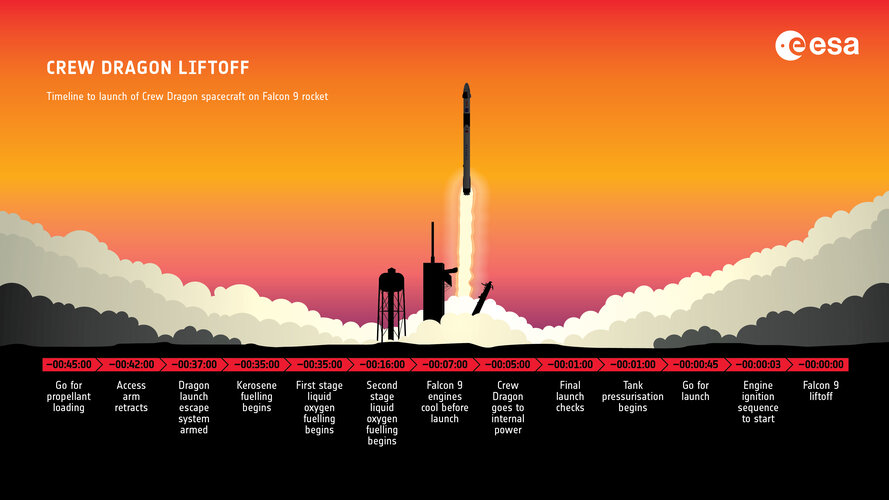 Image:
Crew Dragon countdown to liftoff
Image:
Crew Dragon countdown to liftoff 


