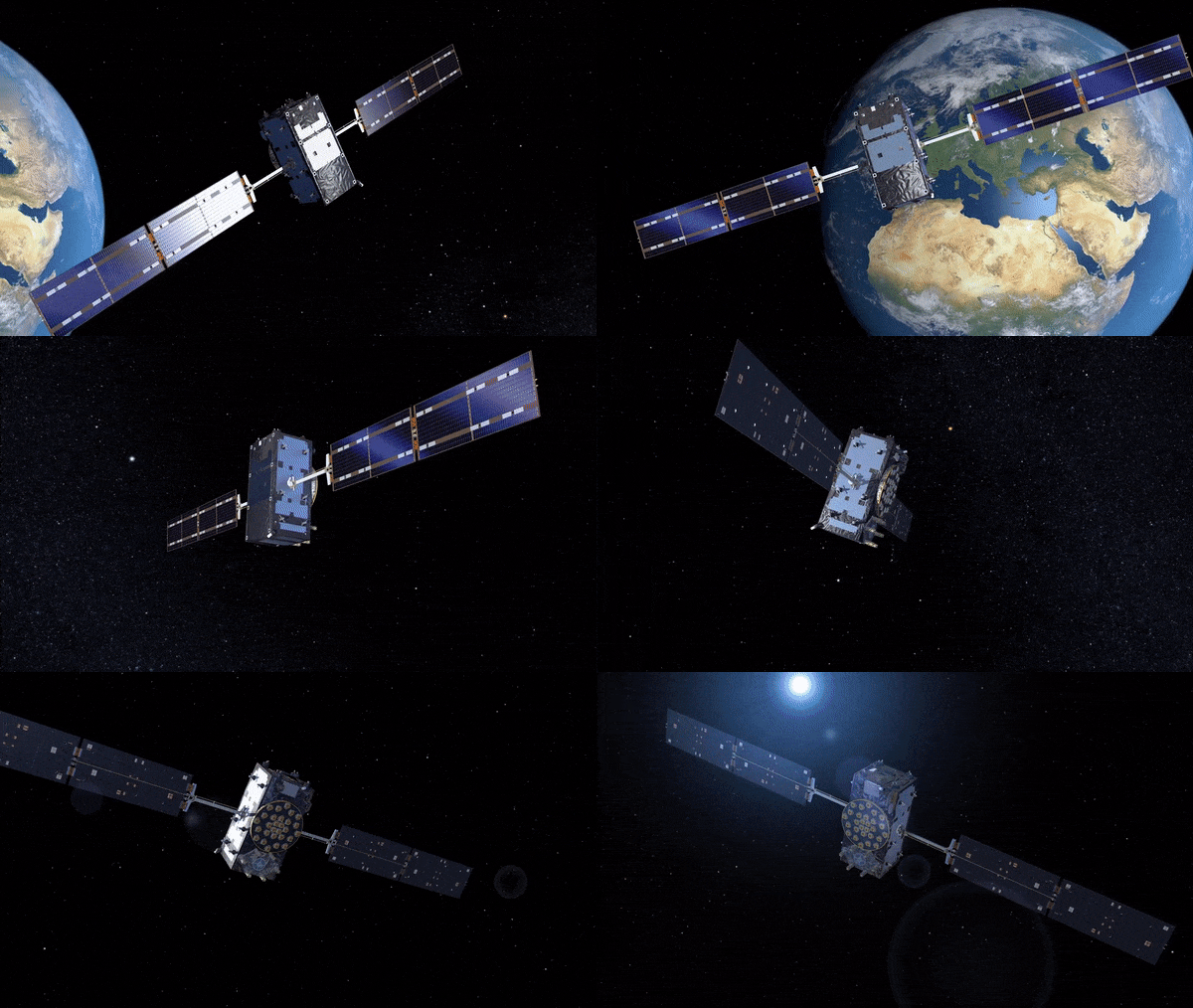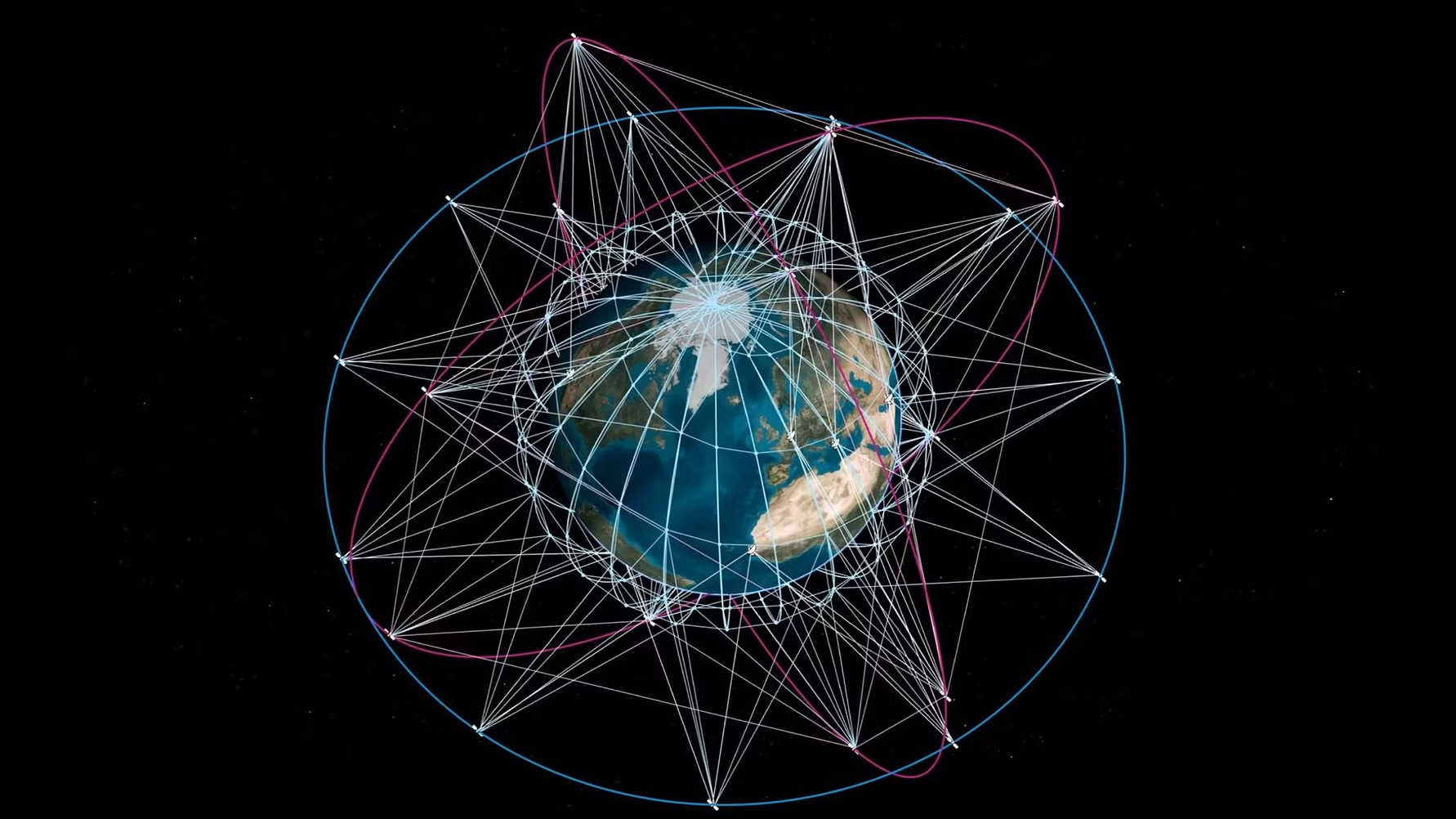
Brain and coat from RUAG Space for Galileo navigation satellites
 On Thursday, December 2 (CET) another two Galileo navigation satellites will be launched from Kourou in French Guiana aboard a Soyuz rocket. This will raise the number of Galileo satellites in orbit from currently 26 to 28. All Galileo satellites use products from RUAG Space, a leading supplier to the space industry.
"We have played an important role in building the European Galileo naviga
On Thursday, December 2 (CET) another two Galileo navigation satellites will be launched from Kourou in French Guiana aboard a Soyuz rocket. This will raise the number of Galileo satellites in orbit from currently 26 to 28. All Galileo satellites use products from RUAG Space, a leading supplier to the space industry.
"We have played an important role in building the European Galileo naviga Micro-geostationary satellite wins ESA support
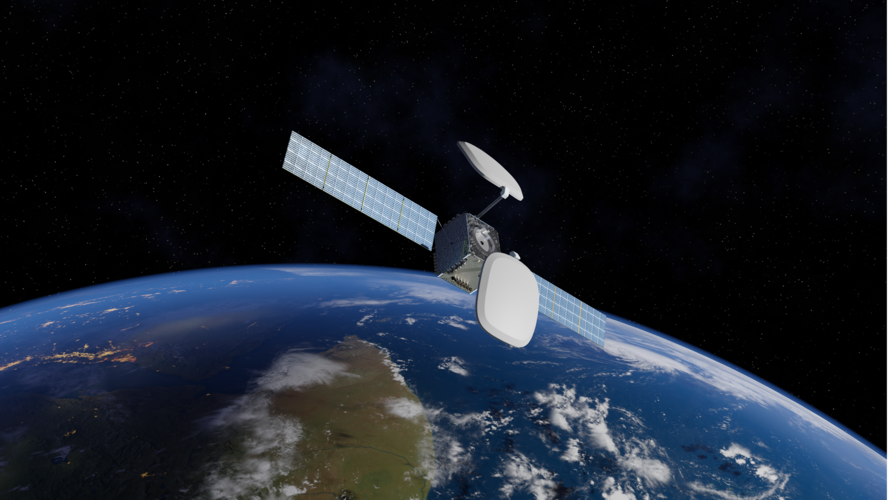
A small European telecommunications satellite intended for launch into geostationary orbit some 36 000 kilometres above the Earth – which can be used as a basis for future satellites – has won support from ESA.
Biden taps former Air Force procurement official LaPlante to run Pentagon acquisitions

President Biden has nominated William LaPlante to be the Defense Department’s top procurement official, the White House announced Nov. 30.
2022 Artemis Mission Debuts America’s Powerful New Launch Capability
In the coming months, NASA will launch the first Artemis mission from NASA’s Kennedy Space Center. This milestone not only puts the United States on a path to return humans to the Moon for the first time since the Apollo Program, but also sets the stage for the next giant leap: exploration of Mars.
Image: ISS captured from the SpaceX Crew Dragon Endeavour
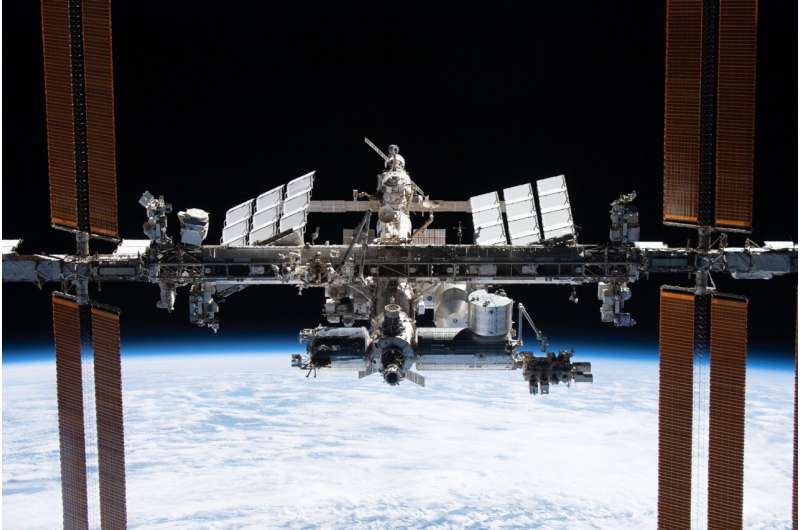
It can be hard to appreciate that a human-made, football-pitch-sized spacecraft is orbiting 400 km above our heads, but there it is.
The jewel of human cooperation and ingenuity that is the International Space Station shines brightly in this image captured by ESA astronaut Thomas Pesquet from the SpaceX Crew Dragon Endeavour.
Crew-2 got this amazing view during a flyaround of the orbiting lab after undocking from the Harmony module on 8 November, before their return to Earth.
Since this image was taken, there has even been a new addition in the form of the Russian Node Module, known as Prichal. The final Russian module planned for the station, it is a spherical node attached to the Russian segment with six docking ports for future Progress and Soyuz arrivals.
A collaboration between five space agencies, the station has become a symbol of peaceful international cooperation for 23 years now. It represents the best of our space engineering capabilities as well as humankind's pursuit of scientific knowledge and exploration.
By any standards, it is an incredible piece of spacecraft engineering. Weighing 420 tons, it travels in low-Earth orbit at more than 27 000 km/hour, circling Earth approximately 16 times every day.
Space junk forces spacewalk delay, too risky for astronauts

The Parker Solar Probe is getting pelted by hypervelocity dust. Could it damage the spacecraft?
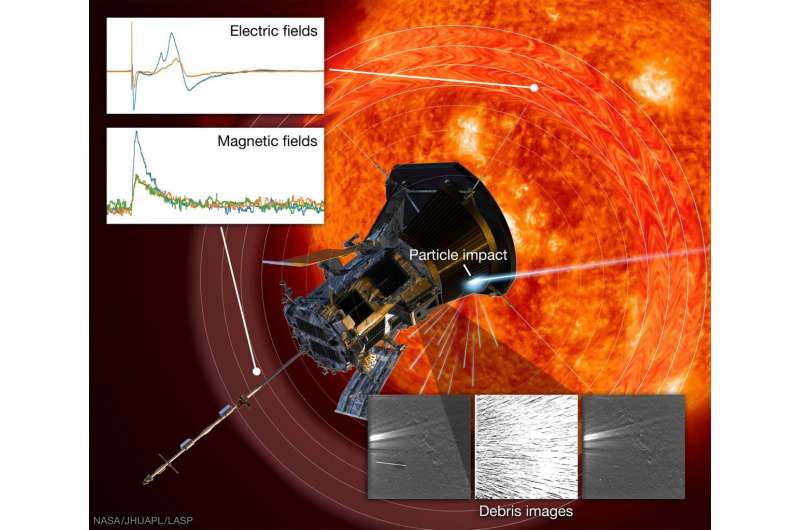
There's a pretty significant disadvantage to going really fast—if you get hit with anything, even if it is small, it can hurt. So when the fastest artificial object ever—the Parker Solar Probe—gets hit by grains of dust that are a fraction the size of a human hair, they still do damage. The question is how much damage, and could we potentially learn anything from how exactly that damage happens? According to new research from scientists at the University of Colorado at Boulder (UCB), the answer to the second question is yes, in fact, we can.
Parker is cruising through the inner solar system on its orbit around the sun at a cool 180 km/s (400,000 mph). But the environment it is traveling through is anything but cool—the probe needs the help of a giant heat shield to ensure that the full force of a star doesn't entirely destroy its innards.
NASA TV to Air IXPE Prelaunch Activities, Launch
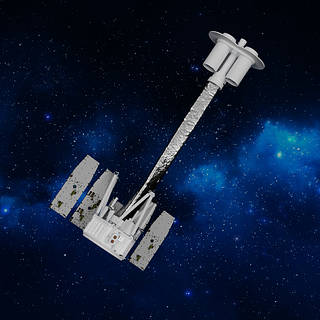 NASA will provide coverage of the upcoming prelaunch and launch activities for the Imaging X-ray Polarimetry Explorer (IXPE) mission, the first satellite dedicated to measuring the polarization of X-rays from a variety of cosmic sources, such as black holes and neutron stars.
 Anuvu raises $50 million for small GEO mobility constellation
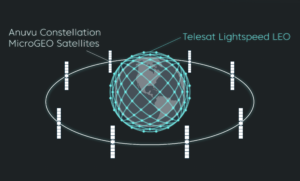
Investors that rescued Anuvu from bankruptcy in March have thrown $50 million behind plans for the mobile connectivity provider to have its own constellation of small geostationary-orbit (GEO) satellites.
Airbus Ventures leads Q-Ctrl’s $25 million quantum sensor funding round

Australian startup Q-Ctrl has raised $25 million to develop software for space-qualified quantum sensors in a funding round led by Airbus Ventures, the venture capital arm of European aerospace and defense giant Airbus.