
ADA Space raises $55.6 million in Series B round

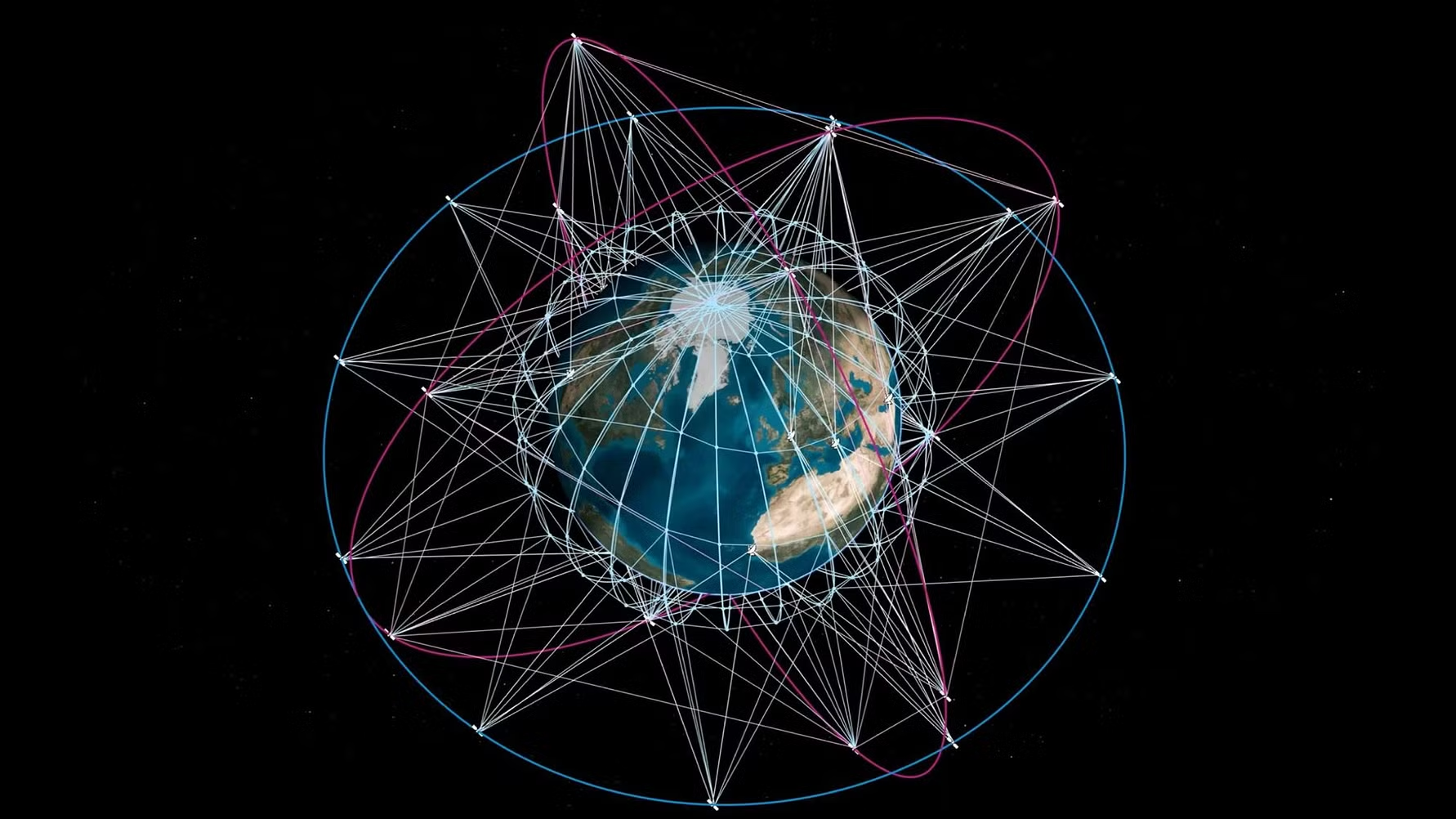
Chinese satellite operator and remote sensing data firm ADA Space raised $55.6 million in a Series B investment round for its artificially intelligent satellite network plans.
Guiding Tianwen-1 to China's first successful Mars rover landing
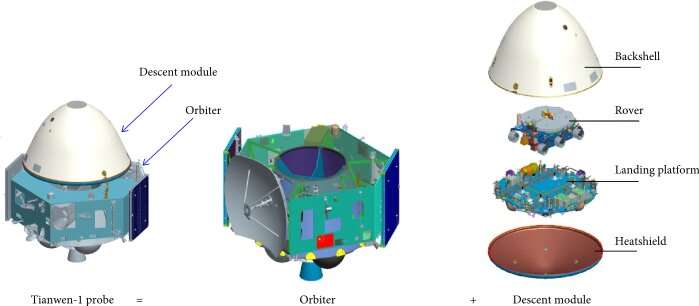
Mars landing missions only succeed about half the time, a rate largely determined by the entry, descent and landing (EDL) phase, according to the researchers who designed Tianwen-1's control systems. They published their guidance, navigation and control approach for Tianwen-1 on October 16 in Space: Science & Technology.
"The EDL phase, which begins at the Mars atmosphere interface and ends with a surface touchdown, is crucial for a Mars landing mission," said Xiaolei Wang, researcher professor at Beijing Institute of Control Engineering.
Wang explained that most failures occur during this phase, typically because the communication delay between Mars and Earth is too large to accommodate the time urgency of the EDL phase.
"The spacecraft must perform autonomous guidance, navigation and control (GNC) to provide reliable key event triggers, as well as accurate and reliable state estimates to implement accurate and reliable trajectory and attitude controls," Wang said.
DARPA to launch DoD’s first in-space manufacturing research program

The Defense Advanced Research Projects Agency in a new program will explore options to conduct biomanufacturing in space, using biological systems like microbes to construct materials for use in orbital operations.
Space Force official: Satellites in orbit have become pawns in geopolitical chess games
China and Russia have watched the United States display its military power, much of it enabled by satellites in space. China’s recent demonstration of an orbital hypersonic weapon and Russia blowing up a satellite are expected countermoves, said Lt.
India orders halt on Starlink presales until it gives regulatory approval

India’s government has told SpaceX to stop taking preorders for Starlink broadband services in the country until it has a license to operate there.
Killer asteroids abound. NASA is ready to do something about it
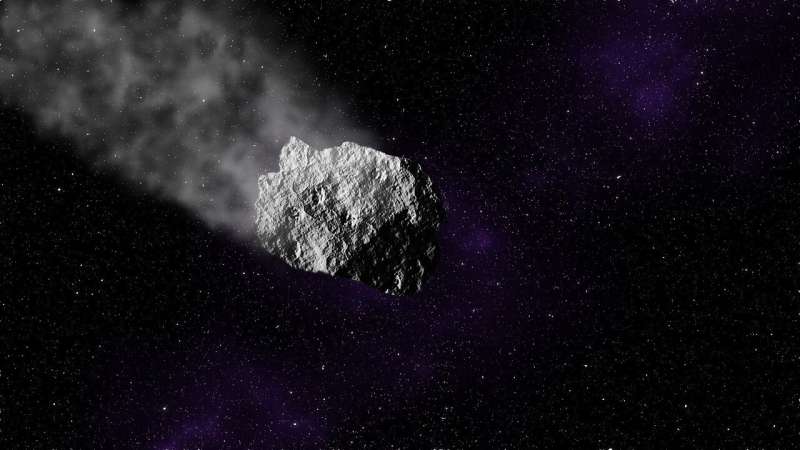
The Russia incident was a warning.
On a winter morning in 2013, a meteor the size of a four-story building screamed across the country, exploding near the city of Chelyabinsk and injuring more than 1,600 people amid widespread property damage.
The chunk of rock and iron, which was 60 feet across, served as a violent reminder that Earth, bombarded daily with tons of space-going debris, periodically intersects with large planet killers—and a significant portion of those remain undocumented.
After years of study and discussion, NASA has launched its first effort to spare Earth the kind of calamity that extinguished the dinosaurs, crashing a space probe into an asteroid to alter its speed and course. The Double Asteroid Redirection Test (DART) lifted off Nov. 23 local time aboard a SpaceX rocket from California and will cruise for 10 months to a binary asteroid system.
The idea is that if humans have adequate time to react—decades of notice being preferable—enough energy can be transferred into a speeding rock to alter its trajectory and make it miss Earth, avoiding catastrophe up to and including an extinction-level event.
Solar Orbiter flies by Earth before beginning final journey to Sun
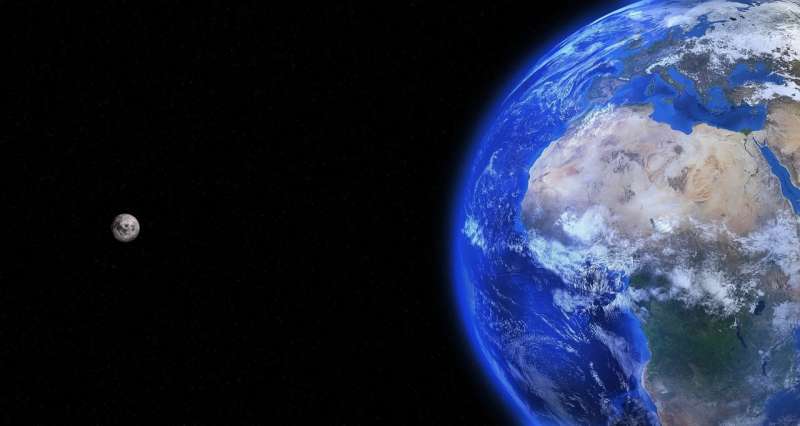
The Solar Orbiter space probe had a brief encounter with its home planet on Saturday morning when it circled the Earth for the first and last time while executing a gravity assist to slow itself down before setting off for the Sun.
Solar Orbiter launched in February 2020, and has already flown through the tail of a comet, flown by Venus and captured the most detailed photographs of the Sun ever taken.
On Saturday morning at 5.30 a.m. (CET) the spacecraft flew over the Earth at an altitude of 460 kilometers (285 miles), passing directly over North Africa and the Canary Islands.
According to the ESA, in order to execute the orbits the probe risked impact with the space debris the surrounds Earth. But according to Simon Plum, head of mission operations at the ESA control center in Darmstadt, the risk of collision was minimal.
In a worst case scenario of potential collision, he said, the probe could have initiated an evasive maneuver up to six hours before impact. However, Plum said, this had not been necessary and the orbiter was now on its way back into deep space.
Cosmic pearl
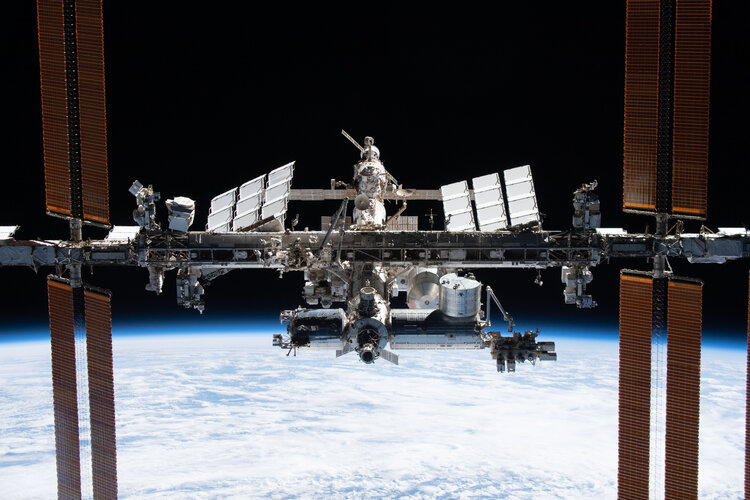 Image:
It can be hard to appreciate that a human-made, football-pitch-sized spacecraft is orbiting 400 km above our heads, but there it is.
The jewel of human cooperation and ingenuity that is the International Space Station shines brightly in this image captured by ESA astronaut Thomas Pesquet from the SpaceX Crew Dragon Endeavour.
Crew-2 got these amazing views during a flyaround of the orbiting lab after undocking from the Harmony module on 8 November, before their return to Earth.
Since this image was taken, there has even been a new addition in the form of the Russian Node Module, known as Prichal.
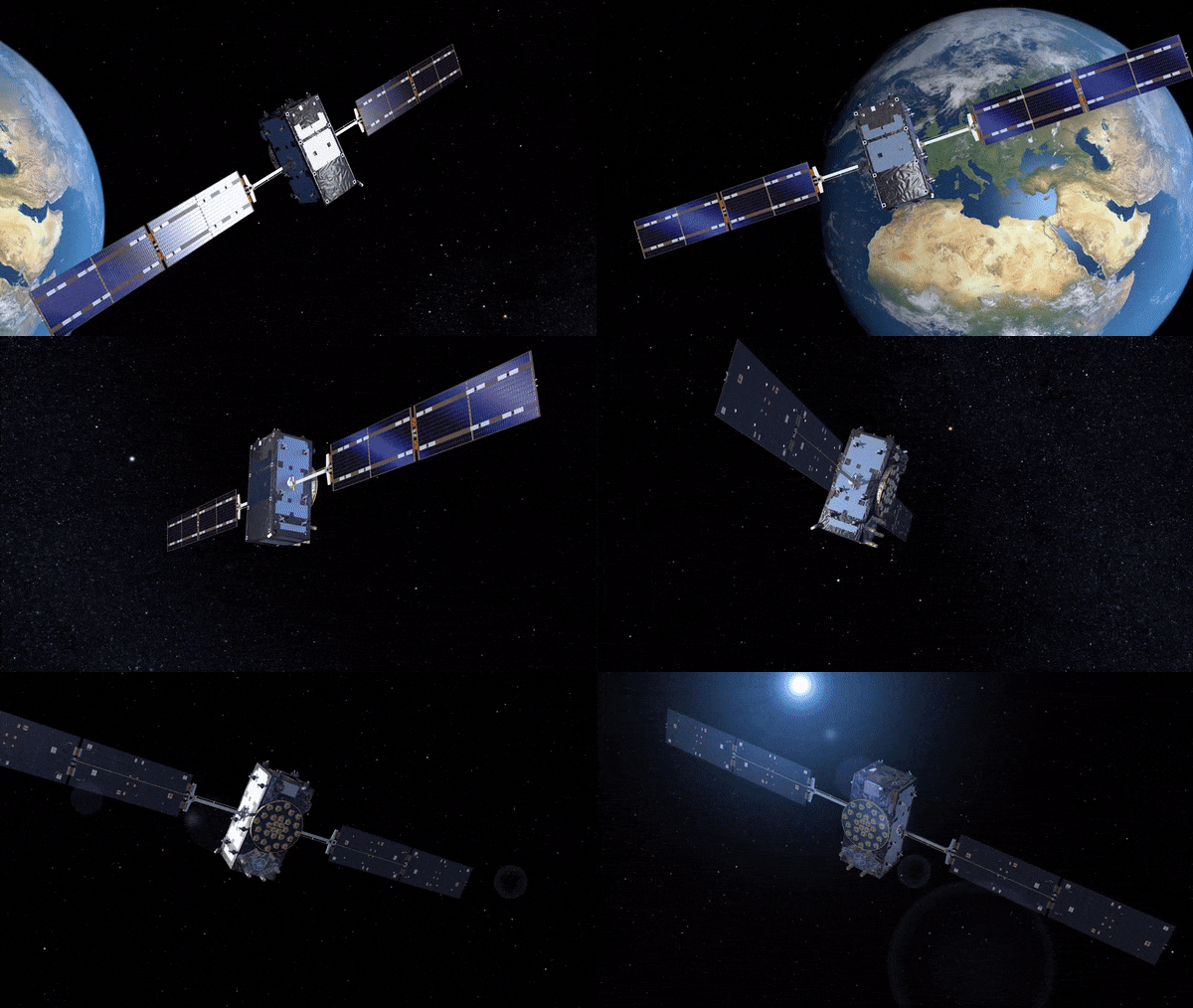
Galileo satellites placed on Soyuz launcher
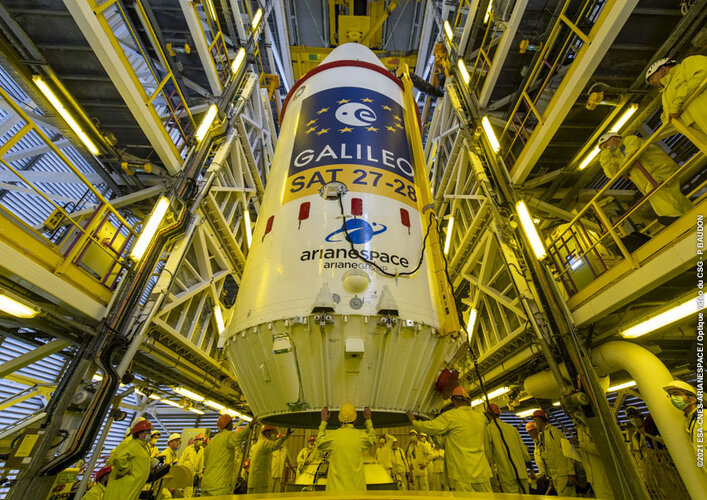 Image:
Galileo satellites placed on Soyuz launcher
Image:
Galileo satellites placed on Soyuz launcher NASA postpones ISS spacewalk because of debris
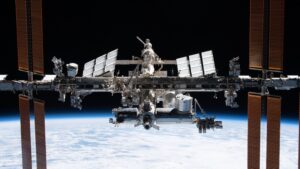
NASA postponed a spacewalk outside the International Space Station by two astronauts just hours before it was scheduled to start after getting a warning that debris would pass close to the station.