



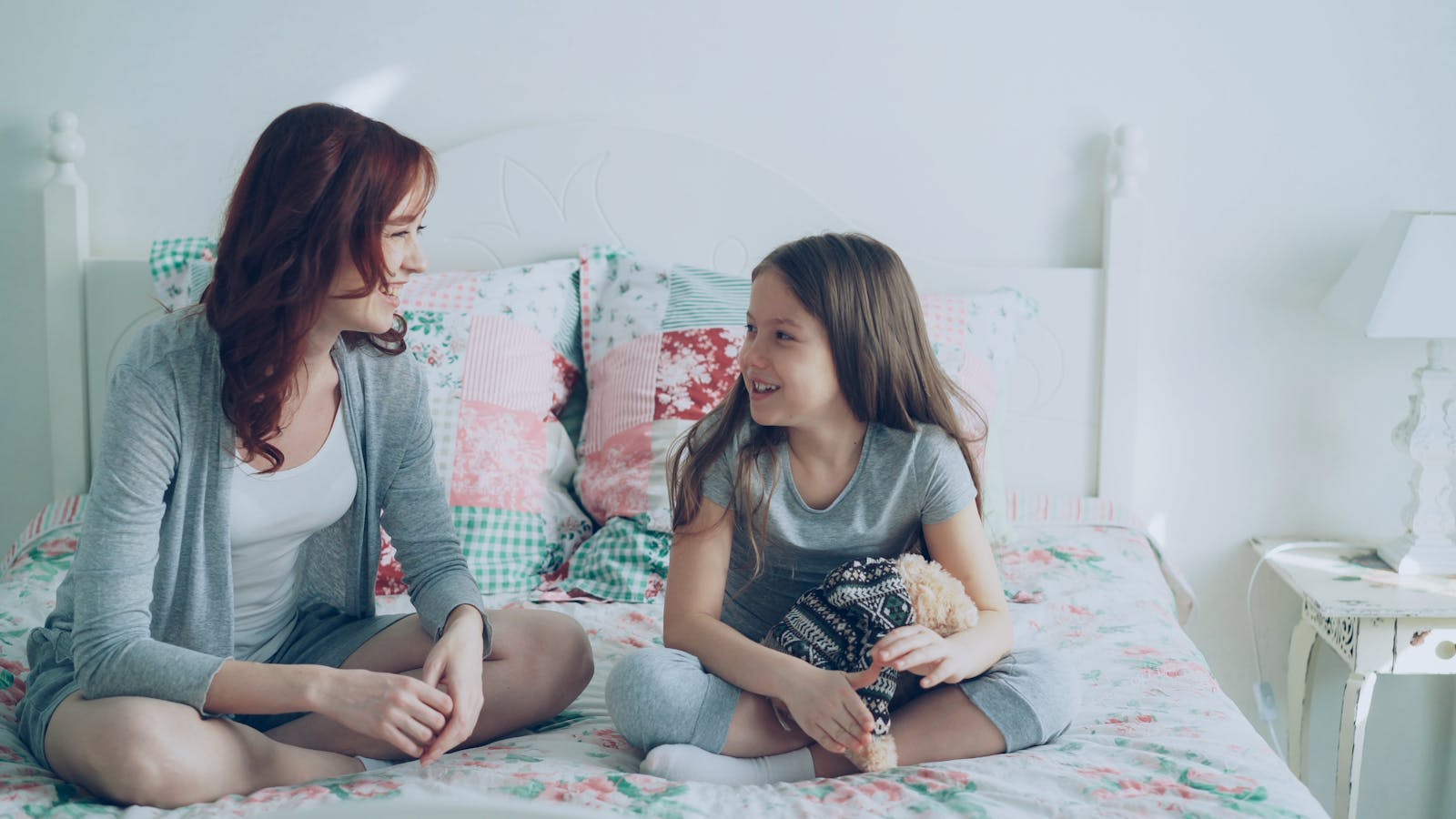
Developmental psychology spent decades treating the preserved childhood bedroom as a sentimentality problem — a parent’s failure to let go, an adult child’s arrested development, a Freudian holdover begging for intervention. The framing was wrong. What looks like nostalgia is often something more functional: a person maintaining physical proof of a self that existed before performance became the price of belonging.
Walk into one of these rooms and the evidence is everywhere. The trophies that meant something at twelve. The books read for no reason except wanting to. The posters chosen before taste became a social signal. The bed made the way a parent insisted, or unmade in quiet rebellion. None of it is curated for an audience. That is the point.
The room as identity archive
Adolescence is when self-concept gets built, dismantled, and rebuilt in cycles. Research on identity formation in adolescence describes it as a dynamic process of commitment, exploration, and re-evaluation, not a linear march toward a fixed adult self. The bedroom during those years functions as a working draft of who a person is becoming.
Then adulthood arrives with its demands. Be useful. Be marketable. Be legible to employers, partners, institutions. The drafting stops. The self that emerges is the one the world rewarded, not necessarily the one that was forming before the rewards started mattering.
The preserved bedroom holds the earlier draft. Not because the person wants to return to being fifteen, but because the room contains evidence that a self existed before utility became the organizing principle of their life.
Self-concept clarity and the rooms that hold it
Self-concept clarity — how stable and well-articulated a person’s self-beliefs are — connects to better emotion regulation and stronger mental health outcomes. People with low self-concept clarity often struggle to know what they actually feel, want, or believe outside of what’s expected of them.
For someone who spent their twenties and thirties shape-shifting to meet professional and relational demands, the childhood bedroom is one of the few environments where their preferences were not strategic. The music wasn’t chosen to impress anyone. The wall color wasn’t a Pinterest decision. The clutter on the desk wasn’t optimized.
That is rare. And it is psychologically valuable in a way that has nothing to do with sentimentality.
The difference between holding on and being stuck
There is a meaningful distinction between people who maintain a childhood bedroom and people who are unable to leave one. The first group has built a life elsewhere and returns to the room periodically as a touchstone. The second group has not built a life elsewhere because something — economic pressure, family expectation, unprocessed loss — kept them tethered.
The first is preservation. The second is paralysis. Conflating them has led to a lot of bad family advice.
Parents who keep a grown child’s bedroom intact often face the same misreading. They are not refusing to accept that the child has grown up. They are holding onto a version of their own life — the parenting years — when their identity was clear and their usefulness was unambiguous. The room is evidence that they were once central to someone’s daily existence.
Why usefulness becomes the problem
Somewhere in the transition to adulthood, most people learn that being useful is the safest way to be valued. Useful at work. Useful to a partner. Useful to aging parents. Useful to a community that measures worth by contribution.
The trouble is that a self organized entirely around usefulness has no off-switch. It cannot rest without feeling guilty. It cannot receive without feeling indebted. It cannot exist in a room without immediately scanning for what needs to be done.
I wrote recently about people who apologize before they’ve done anything wrong — how the reflex traces back to learning that being a problem was easier to fix than being unwanted. The preserved bedroom phenomenon runs on adjacent wiring. If your adult worth is contingent on output, the room is the only place left where you were once valued for simply existing.
The economics underneath the psychology
Housing costs, delayed family formation, and adult children returning to parental homes have changed what a childhood bedroom even means. For a growing share of people, the room never got mothballed in the first place because the person never fully left.
That changes the psychology. A room you return to in your thirties because rent is impossible carries different weight than a room your parents preserved while you built a life two states away. The first is often laced with shame about not having achieved escape velocity. The second can function as genuine respite.
My wife works in immigration law, and we talk constantly about how policy shapes which lives are even possible. The economic realities people face — housing, labor markets, family leave — are not separate from psychology. They determine whether a person gets to develop a self outside of pure economic survival or not.
What the room actually preserves
The objects matter less than what they document. A preserved bedroom is a record of preferences formed without market pressure. The handwriting on the inside of a notebook. The order of books on a shelf that nobody else will see. The specific weirdness of what a person loved before they learned which loves were socially acceptable.
Adults who grew up performing — for high-conflict parents, for unstable households, for communities where standing out was dangerous — often have very little record of what they actually liked before performance kicked in. The childhood bedroom may be the only archive.
Children absorb more from household tension than adults realize, often shaping themselves around what keeps the environment stable. For those kids, the bedroom door was the boundary between performed self and actual self. Closing it wasn’t isolation. It was where identity got to exist without commentary.
The social media generation has a different problem
For younger adults, the function of the childhood bedroom has shifted. The bedroom is no longer a private space in the way it was for previous generations. Phones turned every room into a stage. Identity development that used to happen in private now happens with an audience, often in the same physical space where homework used to happen.
Living in the public sphere of social media damages identity development in children, partly because the negotiation between private self and presented self never gets to happen offline. The room is no longer a sanctuary from the audience. The audience is in the room.
For these kids, there may be no preserved bedroom in adulthood worth returning to, because there was no period when the bedroom held a private self in the first place. That is a different kind of loss, and it will produce a different kind of adult.
The compassion piece nobody discusses
People who maintain childhood bedrooms — their own or their children’s — often get told to move on. To redecorate. To turn it into a guest room or a home office. To stop being precious about objects.
The advice is usually wrong, or at least premature. Self-compassion makes honest accountability possible, while shame and self-criticism shut down the curiosity needed to understand yourself accurately. Telling someone their preserved bedroom is pathological without asking what it does for them is the kind of intervention that produces shame, not insight.
The room may be doing real work. It may be the place where a person who spends sixty hours a week being useful gets to remember that they were a person before they were a function. Stripping it for the sake of looking grown up can collapse a structure that was holding something important.
What changes when the room finally goes
People who voluntarily dismantle a preserved childhood bedroom usually do it after something else has stabilized — a relationship that lets them be unguarded, a creative practice that gives them somewhere new to put the unmonetized self, a therapeutic process that built internal capacity to hold the earlier identity without external props.
The room becomes unnecessary when the self it preserved has somewhere else to live. Not before. People who force the dismantling before that scaffolding exists often report a flatness afterward, a sense of having lost access to a part of themselves they cannot quite name.
This is consistent with work on well-being in meaningful contexts — that environments shape identity development across the entire life course, and that pulling supportive contexts away without replacement tends to harm rather than liberate.
The parent’s version of the same thing
Parents who keep a grown child’s bedroom intact face their own version of this. The room is evidence that they were once needed in a way they are not needed now. Adult children misread this constantly, treating the preserved bedroom as a guilt trip or a refusal to accept independence.
Sometimes it is. Often it isn’t. Sometimes it is just a parent — usually one whose identity was deeply organized around caregiving — keeping physical proof that a chapter of their life happened. The British Psychological Society has explored why adolescence hits a particular nerve for the adults around it, and part of the answer is that watching a child move through identity formation forces parents to confront their own.
The room is a way of not confronting it yet. Which is allowed.
Reading the room correctly
The useful question is not whether someone keeps their childhood bedroom intact. The useful question is what the room is doing for them.
If it is a touchstone — a place they visit occasionally to remember a self that existed before they became professionally useful — that is healthy. If it is a substitute for building an adult life, that is a problem the room is symptomatic of, not the cause of.
The same goes for parents. If the preserved bedroom is one room in a full life, it is a memorial, not an obstacle. If the entire house is preserved against time, something else is going on, and the bedroom is the smallest part of it.
The deeper recognition
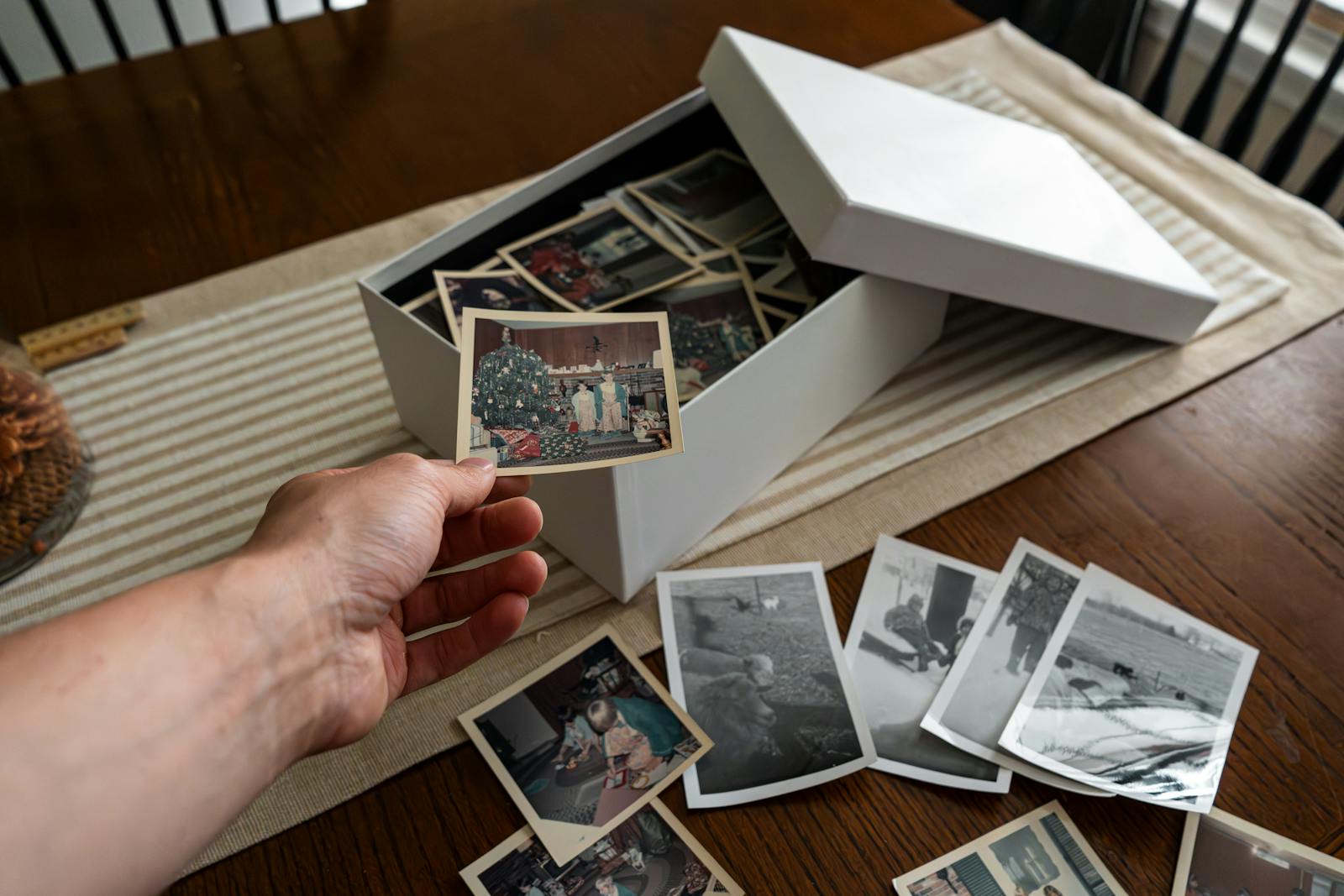
Most adults are operating with very little evidence of who they were before the world started asking them to be useful. The performance reviews, the social media archives, the relationship histories — these all document the useful self. They do not document the self that liked things for no reason.
The childhood bedroom, when it survives, is one of the few records of that earlier self. People who maintain those rooms are not refusing to grow up. They are refusing to let the only documented version of themselves be the one optimized for someone else’s needs.
That is not sentimentality. That is a person trying to remember they were ever real.
Photo by Vitaly Gariev on Pexels