Ariane 6 pre-show: wet dress rehearsal complete
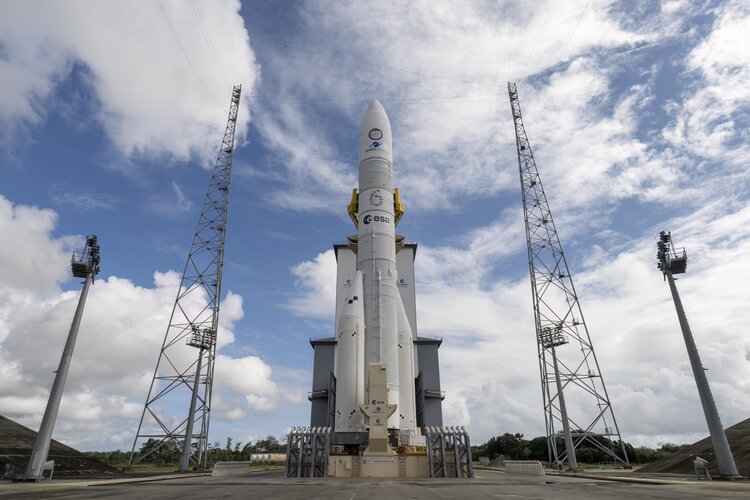
Yesterday, the first Ariane 6 rocket to launch into space went through its last full ‘wet dress rehearsal’ at Europe’s Spaceport in French Guiana – it provided an exciting sneak peek of what’s to come, stopping just a few seconds before engine ignition and of course, lift-off.
Saharan dust over the Strait of Messina
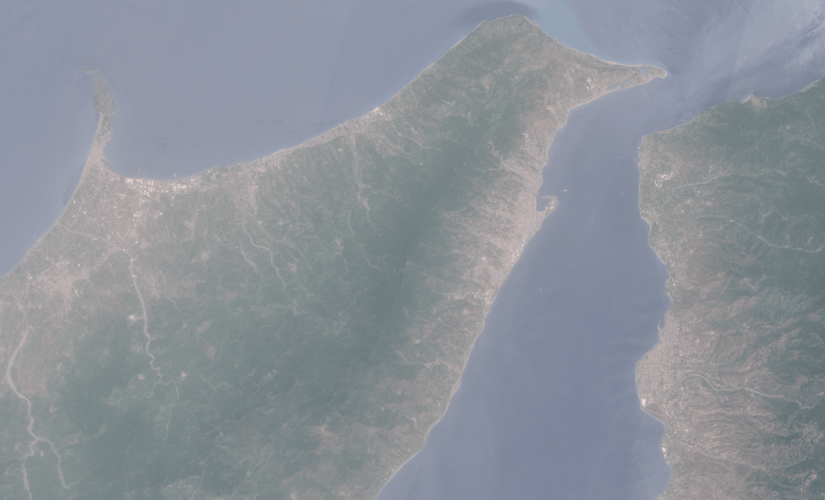 Image:
Saharan dust over the Strait of Messina
Image:
Saharan dust over the Strait of Messina Week in images: 17-21 June 2024

Week in images: 17-21 June 2024
Slingshotting around the sun would make a spacecraft the fastest ever
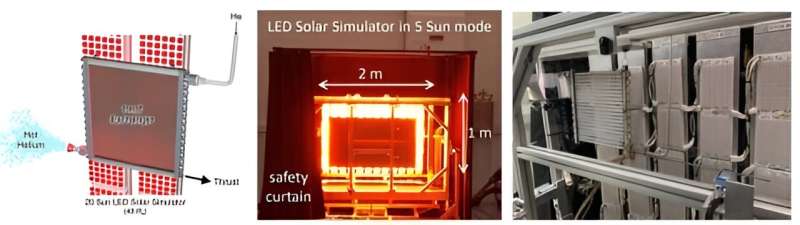
NASA is very interested in developing a propulsion method to allow spacecraft to go faster. We've reported several times on different ideas to support that goal, and most of the more successful have utilized the sun's gravity well, typically by slingshotting around it, as is commonly done with Jupiter currently.
But, there are still significant hurdles when doing so, not the least of which is the energy radiating from the sun simply vaporizing anything that gets close enough to utilize a gravity assist. That's the problem a project supported by NASA's Institute for Advanced Concepts (NIAC) and run by Jason Benkoski, now of Lawrence Livermore National Laboratory, is trying to solve.
The project was awarded a NIAC Phase I grant in 2022, focused on combining two separate systems—a heat shield and a thermal propellant system. According to the project's final report, combining those two technologies could allow a spacecraft to perform what is known as an Oberth maneuver around the sun.

Northrop Grumman delivers Arctic broadband satellites ahead of scheduled July launch


X-Bow to develop solid rocket motors for U.S. Navy Standard missiles


Augmented reality speeds spacecraft construction at NASA Goddard
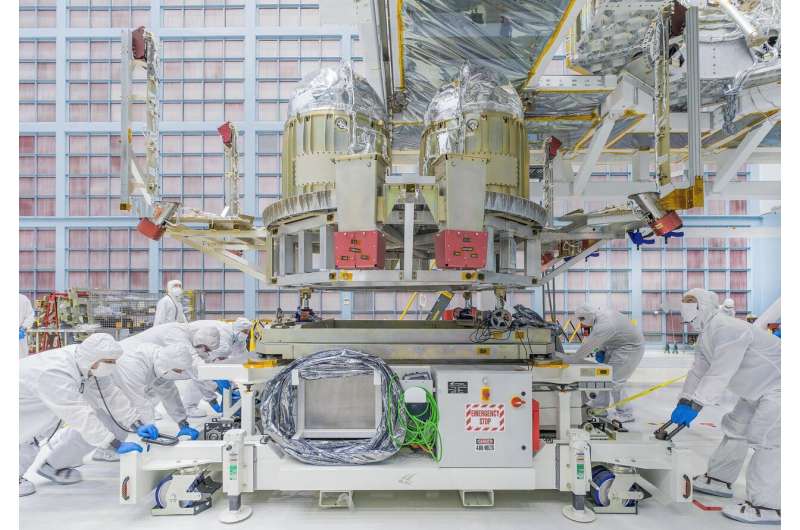
Technicians armed with advanced measuring equipment, augmented reality headsets, and QR codes virtually checked the fit of some Roman Space Telescope structures before building or moving them through facilities at NASA's Goddard Space Flight Center in Greenbelt, Maryland.
"We've been able to place sensors, mounting interfaces, and other spacecraft hardware in 3D space faster and more accurately than previous techniques," said NASA Goddard engineer Ron Glenn.