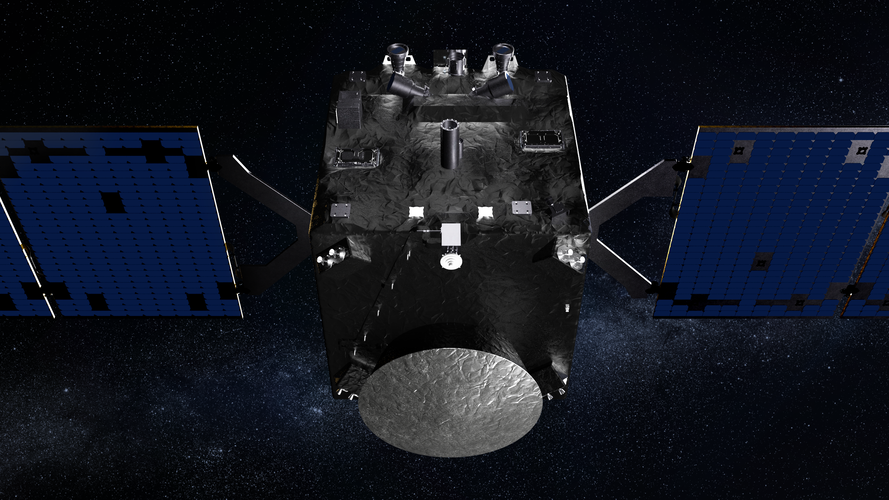
Tests of Galileo Open Service Navigation Message Authentication underway
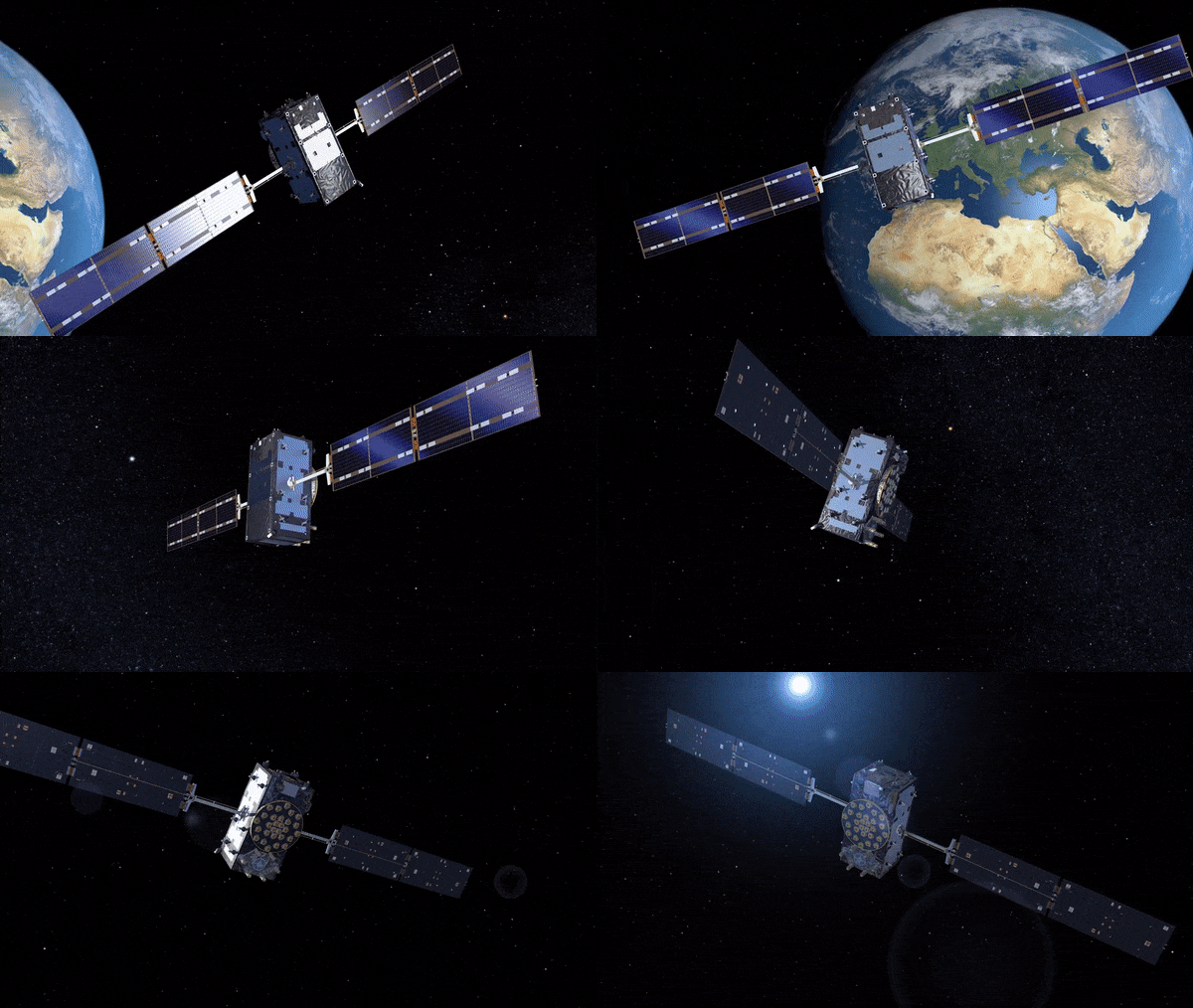
Galileo has started testing Open Service Navigation Message Authentication (OSNMA) in its signal-in-space, allowing the first-ever OSNMA-protected position fix to be successfully computed. Testing will continue over the next months, ahead of a so-called ‘public observation’ phase. This is the first-ever transmission of authentication features in open GNSS signals of a global navigation system.
Netherlands in white
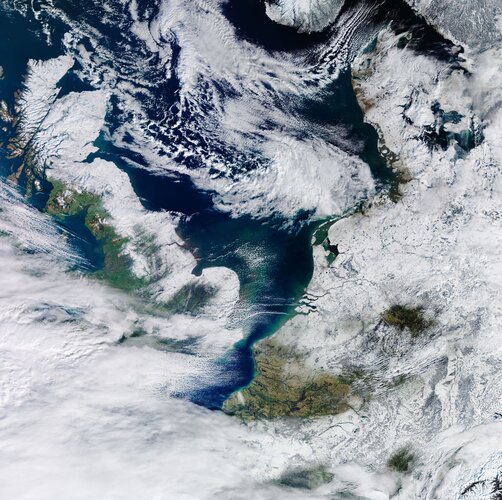 Image:
As this Copernicus Sentinel-3 image captured today shows, the Netherlands remains pretty much snow-covered thanks to days of sub-zero temperatures following the country’s first major snowstorm in a decade.
Image:
As this Copernicus Sentinel-3 image captured today shows, the Netherlands remains pretty much snow-covered thanks to days of sub-zero temperatures following the country’s first major snowstorm in a decade. ESA Mars orbiters support NASA Perseverance landing
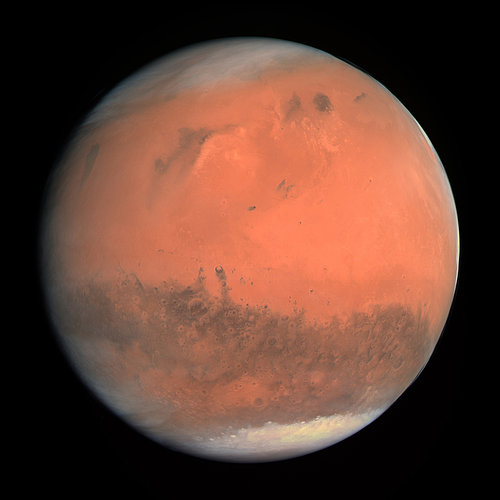
How ESA is Helping NASA's Mars lander phone home
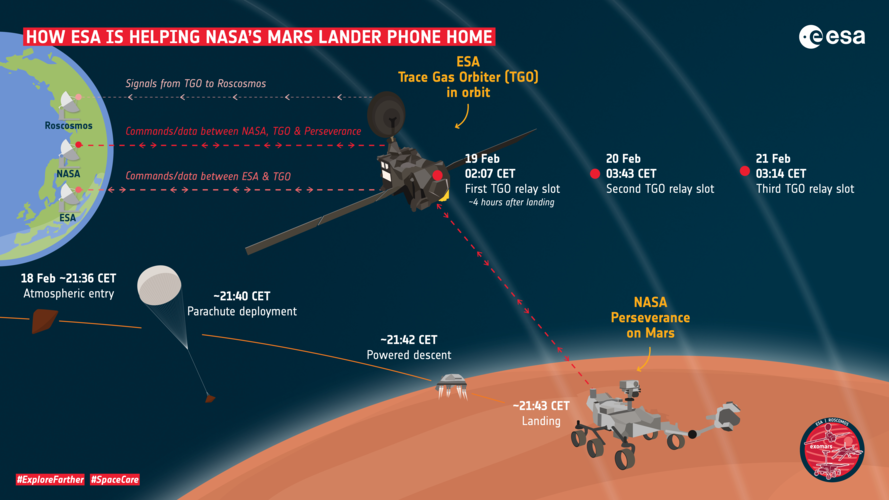 Image:
ESA's Trace Gas Orbiter will relay data from NASA's Perseverance rover to ground stations on Earth
Image:
ESA's Trace Gas Orbiter will relay data from NASA's Perseverance rover to ground stations on Earth At the rim of a crater
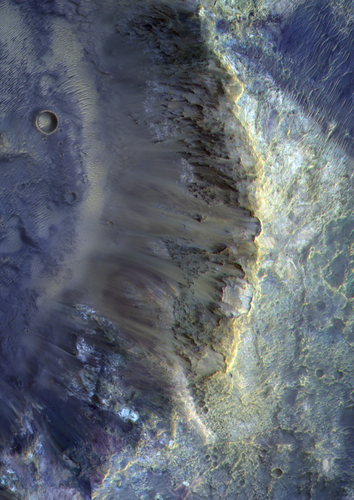 Image:
At the rim of a crater
Image:
At the rim of a crater HPE Spaceborne Computer-2 linked to Azure cloud for the Space Station
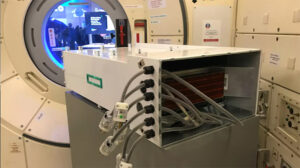
SAN FRANCISCO — Hewlett Packard Enterprise is preparing to send a second-generation Spaceborne Computer to the International Space Station later this month.
The Spaceborne Computer-2 will be linked to Microsoft’s Azure cloud through NASA and HPE ground stations, meaning the space station will have far more data processing power and better connections with Earth than ever before, HPE and Microsoft announced Feb.
Letter | Fostering open architecture and partnership on space-based missile warning
In a Feb. 1, 2021 SpaceNews article titled, “An open system for missile-warning satellite data is in the works but faces challenges,” a number of assertions were made that were factually incorrect, misleading and taken out of context about Lockheed Martin’s role in our nation’s premiere missile warning systems, including the Space-Based Infrared System (SBIRS), the Next Generation Overhead Persistent Infrared (Next Gen OPIR) system and the missile warning mission’s next generation ground control system, the Future Operationally Resilient Ground Evolution (FORGE) MDP (Mission Data Processing) and Enterprise Ground Services (EGS).
Researcher uses machine learning to classify stellar objects from TESS data
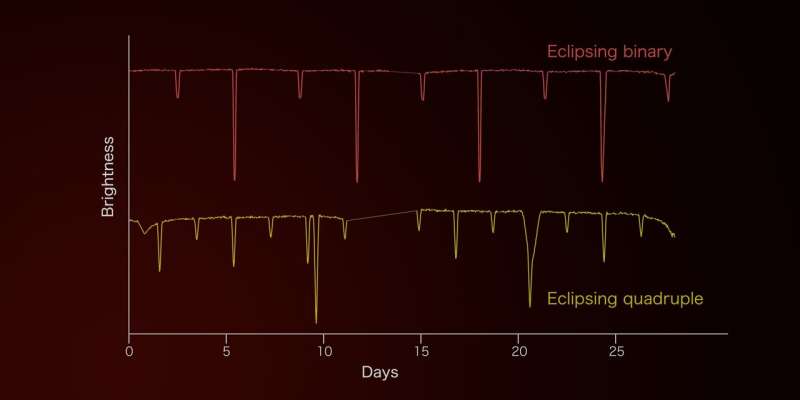
A game of chess has 20 possible opening moves. Imagine being asked to start a game with tens of millions of openings instead. That was the task assigned to Adam Friedman, a 2020 summer intern at NASA's Goddard Space Flight Center in Greenbelt, Maryland.
Here's the best place for explorers to harvest ice on Mars
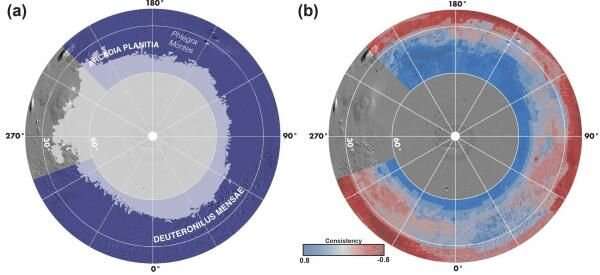
Water ice, especially any located in the sub-surface, has long been a focal point of Mars exploration efforts. Reasons abound as to why—from the need to grow plants to the need to create more rocket fuel to blast off the planet for a round trip. Most of that effort has focused on the poles of the planet, where most of the water ice has been found.
Unfortunately, these extreme latitudes are also difficult locations for manned missions, due to their slack of sunlight and extremely low temperatures. Now, a team from the Planetary Science Institute (PSI) have mapped the density of water ice in a large chunk of the lower northern hemisphere, in an effort to help narrow down potential human landing sites at more welcoming latitudes.
Take me to your leader: Space diplomacy 101
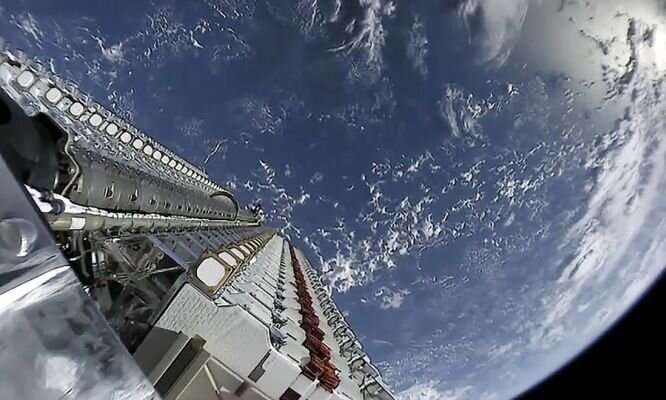
Space has long been seen as the domain of scientists and engineers, but space also needs diplomacy.
But what exactly is space diplomacy and why do we need it?
Professor Melissa de Zwart is a self-described space nerd and the Dean of Adelaide Law School.
She's a board member of ANGELS, a project that provides space legal and regulatory information to the public. She combines her passion for space with her expertise in law and diplomacy.
The dawn of space diplomacy
"Once space became possible, we had the Cold War powers recognize early on that, if they didn't reach international agreement, it was going to be curtains for everyone. Basically, mutually assured destruction," says Melissa.
The US and USSR were worried about Kessler syndrome, where broken pieces of space debris so pollute Earth's orbit that it would be almost impossible to send future satellites to space.
"Now we rely on the space industry for almost every aspect of our lives."
When the world powers set the laws for sending satellites to space, they thought only governments would do it.
But now businesses and even individuals are going to space, and we need new rules.