Extreme heat likely to wipe out humans and mammals in the distant future
 A new study shows unprecedented heat is likely to lead to the next mass extinction since the dinosaurs died out, eliminating nearly all mammals in some 250 million years time.
The research, published in Nature Geoscience and led by the University of Bristol, presents the first-ever supercomputer climate models of the distant future and demonstrates how climate extremes will dramatically in
A new study shows unprecedented heat is likely to lead to the next mass extinction since the dinosaurs died out, eliminating nearly all mammals in some 250 million years time.
The research, published in Nature Geoscience and led by the University of Bristol, presents the first-ever supercomputer climate models of the distant future and demonstrates how climate extremes will dramatically in The value of EO satellite data in tackling global threats
 The European Space Agency's (ESA) EO4MULTIHA (High-Impact Multi-Hazards Science) initiative, a two-year project taking place as part of the ESA-EC Earth System Science Initiative, held its kick-off meeting (KOM) on 13 September.
The data provided by Earth observation satellites provide key information that help us grasp our planet's complexities and monitor the environmental problems and t
The European Space Agency's (ESA) EO4MULTIHA (High-Impact Multi-Hazards Science) initiative, a two-year project taking place as part of the ESA-EC Earth System Science Initiative, held its kick-off meeting (KOM) on 13 September.
The data provided by Earth observation satellites provide key information that help us grasp our planet's complexities and monitor the environmental problems and t Material matters

The Biofilms study continues its cosmic quest to combat bacterial contamination. With three experiments aboard the International Space Station, it's on a mission to improve antimicrobial technology, benefitting astronauts and people on Earth alike.
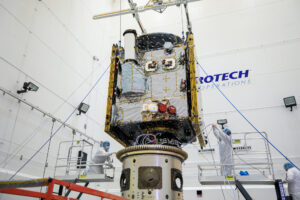
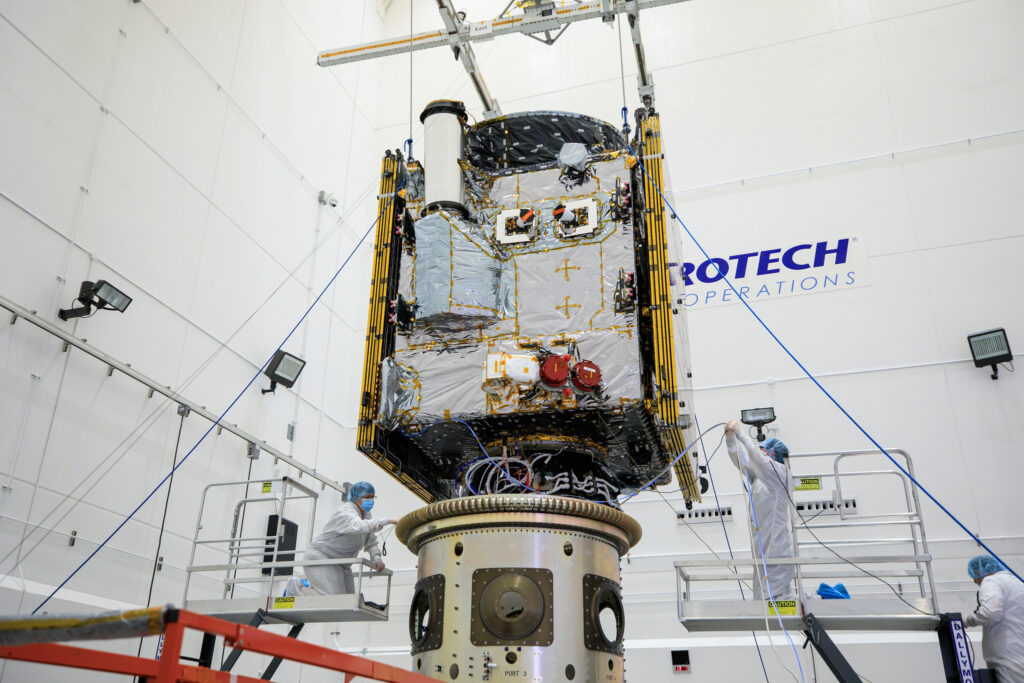
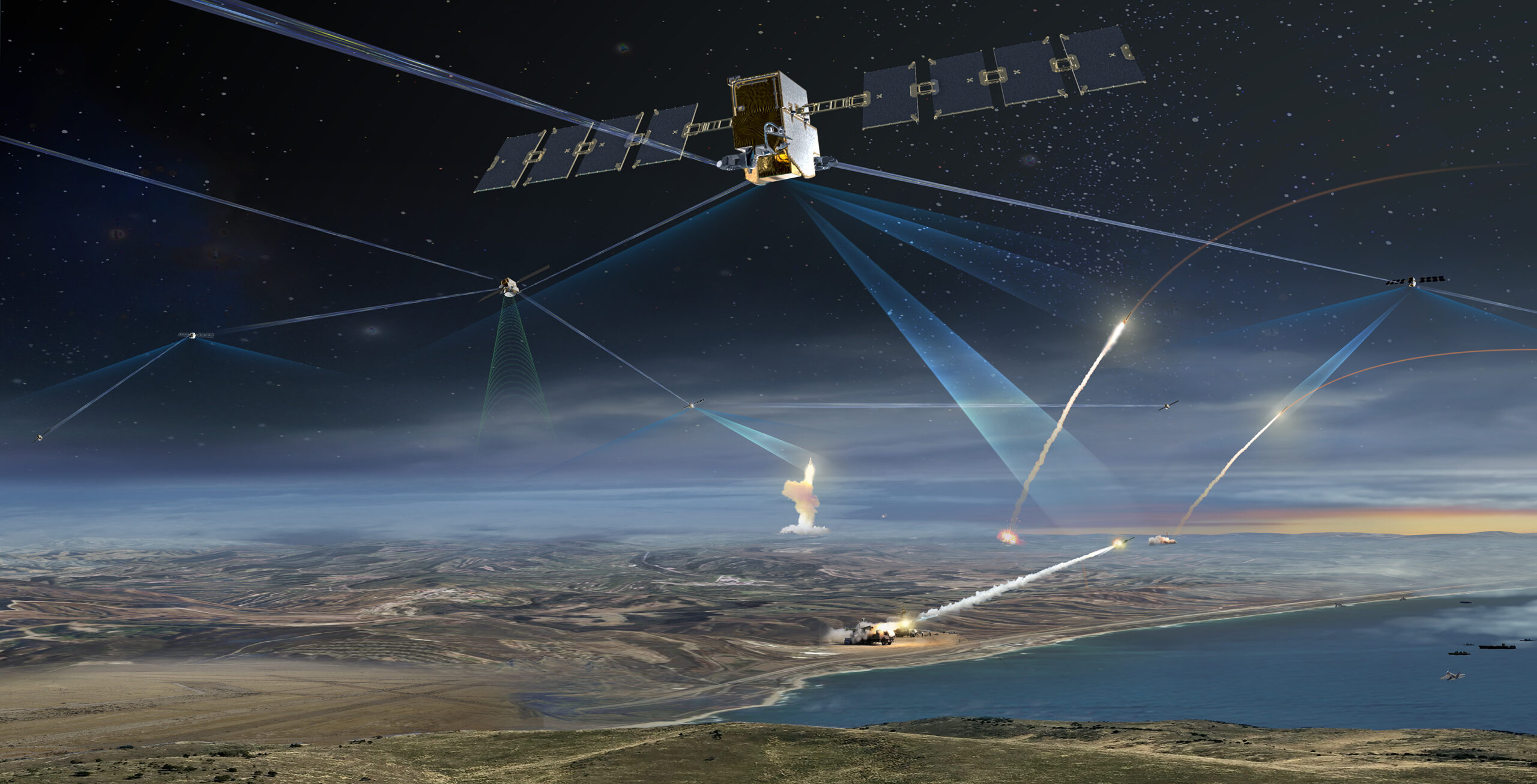
Mynaric optical terminals selected for Northorp Grumman satellites pass key tests

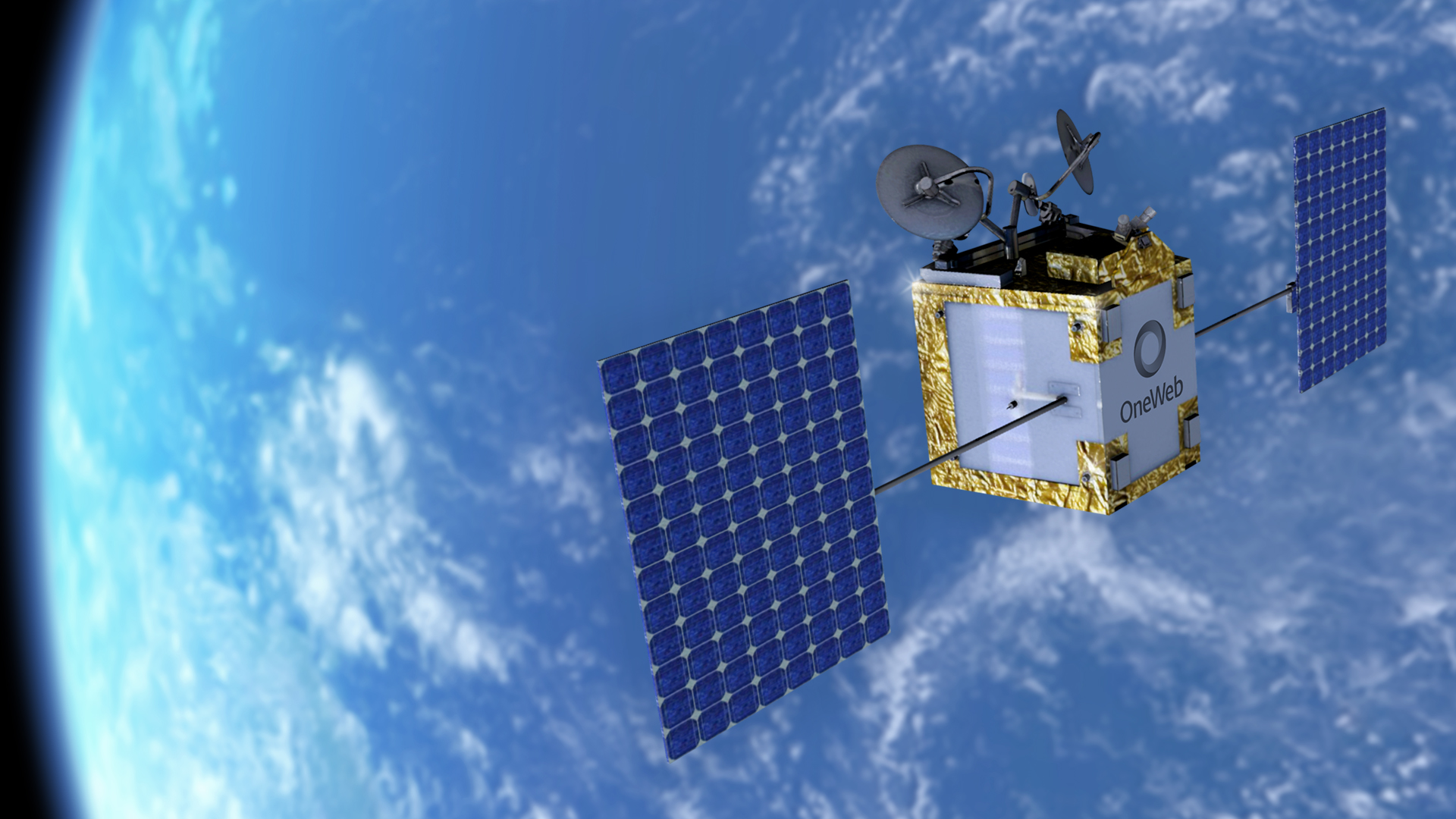
Eutelsat completes multi-orbit OneWeb merger after shareholder vote
To the Moon: ESA seeks ideas for small lunar missions
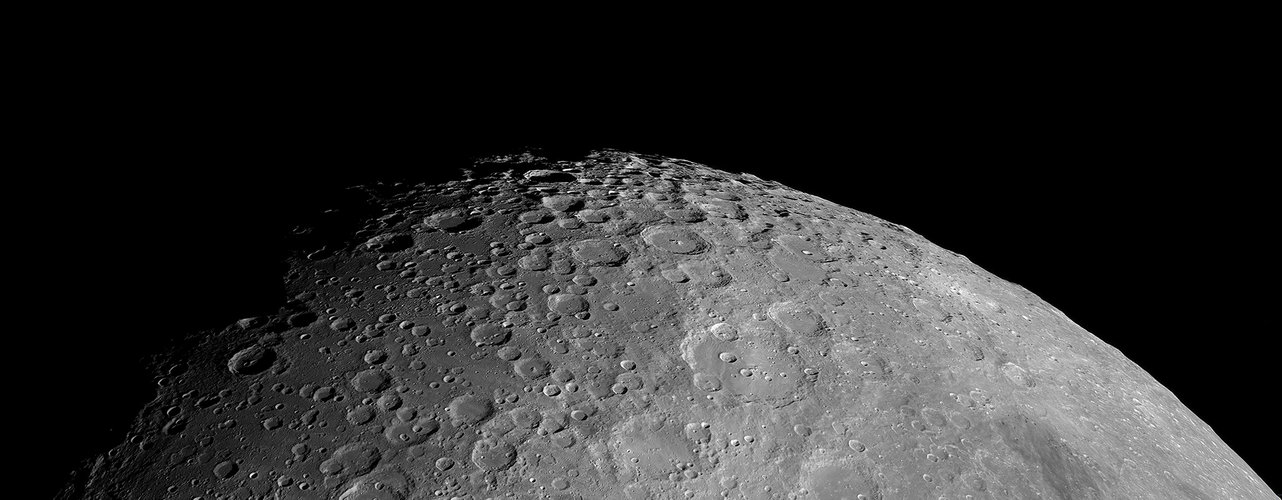
Are you interested in helping shape the future of space exploration? ESA is offering a unique opportunity to contribute to its lunar science and exploration strategy.
Mynaric optical terminals selected for Northrop Grumman satellites pass key tests

Ethics rules needed for human research on commercial spaceflights, panel says
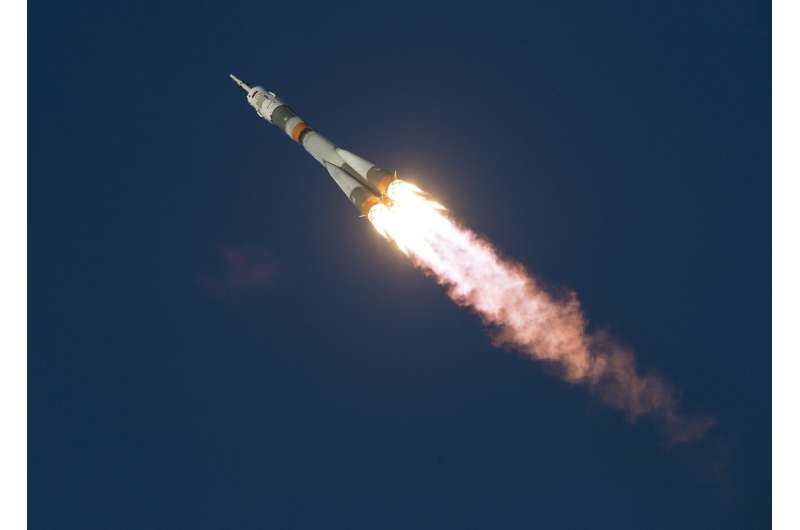
New guidelines are needed to assure that research on human subjects performed on commercial spaceflights is conducted ethically, a panel of experts say in a commentary appearing in the September 28 issue of the journal Science. Their paper is titled "Ethically cleared to launch?"
Private companies are expected to fly thousands of people into space in the coming decades. Those aboard will include workers and passengers who will have the opportunity to participate in research studies. Such research is not only essential to assure the safety of future space travelers but often also addresses critical issues of human health in general.
Buț current ethical rules used to govern research on human subjects do not directly address the unique circumstances of research aboard commercial spaceflights, according to a panel convened by Center for Medical Ethics and Health Policy, Baylor College of Medicine, Houston.
"There has been a long tradition of astronauts from NASA and other national space agencies of volunteering for research, and the agencies have established tradition on how this research is done," said Dr. Michael A.