U.S. military space plane lands, ending record-breaking mission
 The U.S. military's X-37B space plane finally came back to Earth on Saturday after spending 908 days in orbit.
The robotic X-37B Orbital Test Vehicle-6 touched down at NASA's Kennedy Space Center in Florida at 5:22 a.m. The 908 days in orbit was four months longer than any previous X-37B flight.
The plane, which was built by Boeing, also carried a service module for the first tim
The U.S. military's X-37B space plane finally came back to Earth on Saturday after spending 908 days in orbit.
The robotic X-37B Orbital Test Vehicle-6 touched down at NASA's Kennedy Space Center in Florida at 5:22 a.m. The 908 days in orbit was four months longer than any previous X-37B flight.
The plane, which was built by Boeing, also carried a service module for the first tim ESA’s site for laser and quantum links marks 25 years
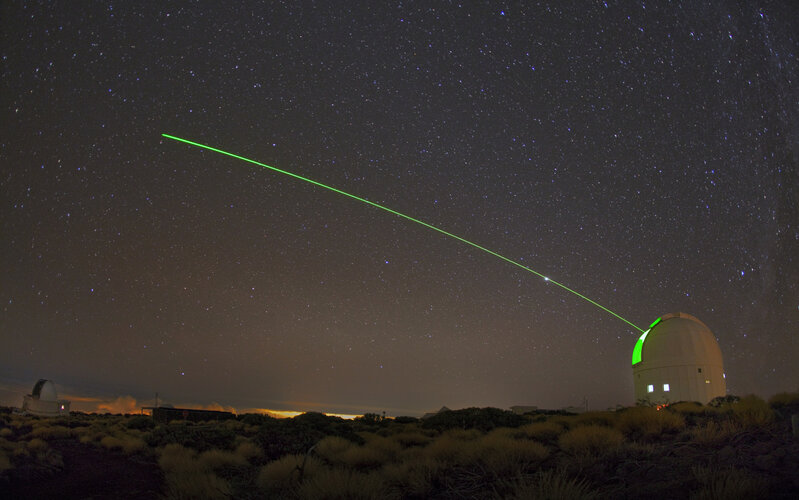
ESA’s Optical Ground Station, perched high on the slopes of Tenerife’s Mount Teide volcano, has now been peering skyward for a quarter of a century. Originally designed for laser-based communications with satellites, it is today additionally employed for tracking space debris and near-Earth asteroids as well as supporting world-class science: this year’s Physics Nobel Prize winner used the station for a quantum teleportation experiment that extended to the neighboring island of La Palma.
Bringing Mars rock samples back to Earth
 Video:
00:01:46
Video:
00:01:46
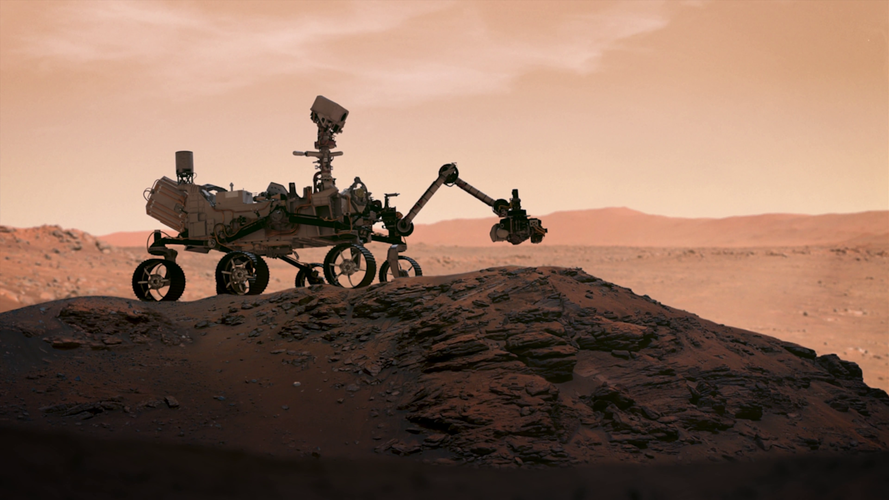
Short animation featuring key moments of the Mars Sample Return campaign: from landing on Mars and securing the sample tubes to launching them off the surface and ferrying them back to Earth.
NASA and the European Space Agency (ESA) are developing plans for one of the most ambitious campaigns ever attempted in space: bringing the first samples of Mars material safely back to Earth for detailed study. European scientists are part of an international team giving advice on what samples to choose for return and the best analysis methods to use once they land on Earth.
The diverse
Navigating the sea from space with innovative technologies

Shipping is the most energy efficient form of transport, and more than 80% of goods traded globally are carried via the oceans, with a doubling in volume during the last quarter of a century. Recognising the global need for seamless maritime navigation, ESA’s Navigation Innovation and Support Programme, NAVISP – inventing the future of navigation with more than 200 R&D projects initiated to date – is therefore focused not only on the land but also the sea.
Putting a value on ESA’s Aeolus wind mission
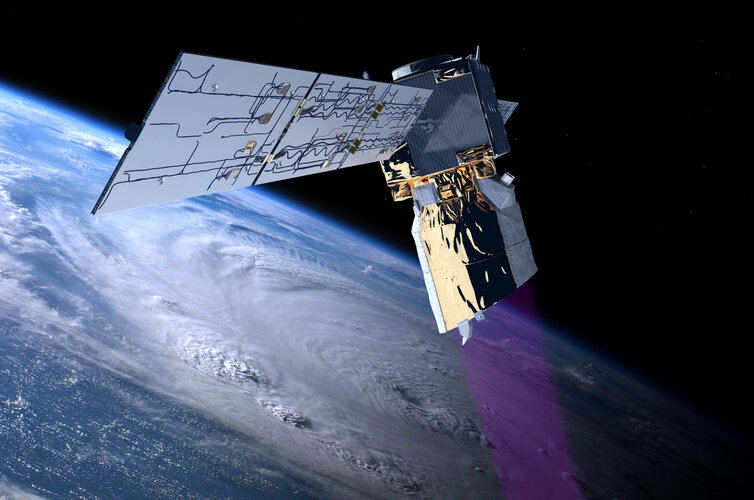
Over the last four years, ESA’s Aeolus mission has been delivering unique profiles of Earth’s winds from space, improving operational weather forecasts, climate models and more – all showing that its novel laser technology is advancing science and being used for important practical applications. Adding to the list of Aeolus’ successes, a recent report highlights that the mission has also brought economics benefits to Europe to the tune of €3.5 billion, and that a follow-on mission could more than double this figure.
Earth from Space: Sharm El-Sheikh, Egypt

World leaders, policymakers and delegates from nearly 200 countries have convened in Sharm El-Sheikh over the past two weeks at the COP27 UN Climate Summit. Today we take a closer look at the Egyptian city through the eyes of Copernicus Sentinel-2.
How Webb's NIRSpec instrument opened up 200 windows to our origins
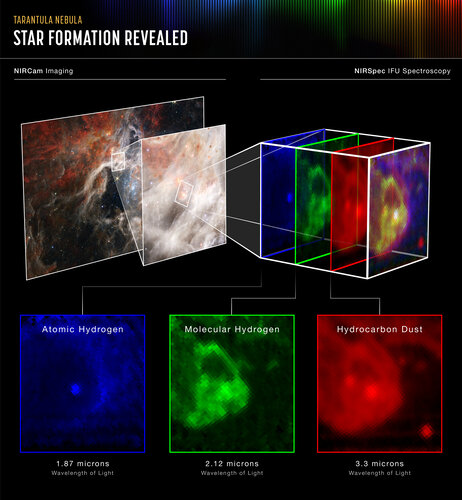
Astronomy is driven by big questions, and they don’t come much bigger than wondering how the first stars and galaxies began to form – eventually giving rise to our own existence.
Japan agrees to space station extension and Gateway contributions
The Japanese government has formally agreed to extend its participation on the International Space Station through 2030 and provide components for the lunar Gateway.
The post Japan agrees to space station extension and Gateway contributions appeared first on SpaceNews.
NASA calls test of inflatable heat shield a success

A NASA demonstration of an inflatable heat shield showed the technology worked and can be scaled up for missions on Earth and Mars, project leaders said Nov. 17.
The post NASA calls test of inflatable heat shield a success appeared first on SpaceNews.
Skyrora working towards 2023 orbital launch after suborbital failure

Scotland-based launch startup Skyrora are focused on making a first orbital launch attempt late next year, building on experience from a suborbital attempt in Iceland.
The post Skyrora working towards 2023 orbital launch after suborbital failure appeared first on SpaceNews.