ESA seeks funding for navigation technology programs at ministerial
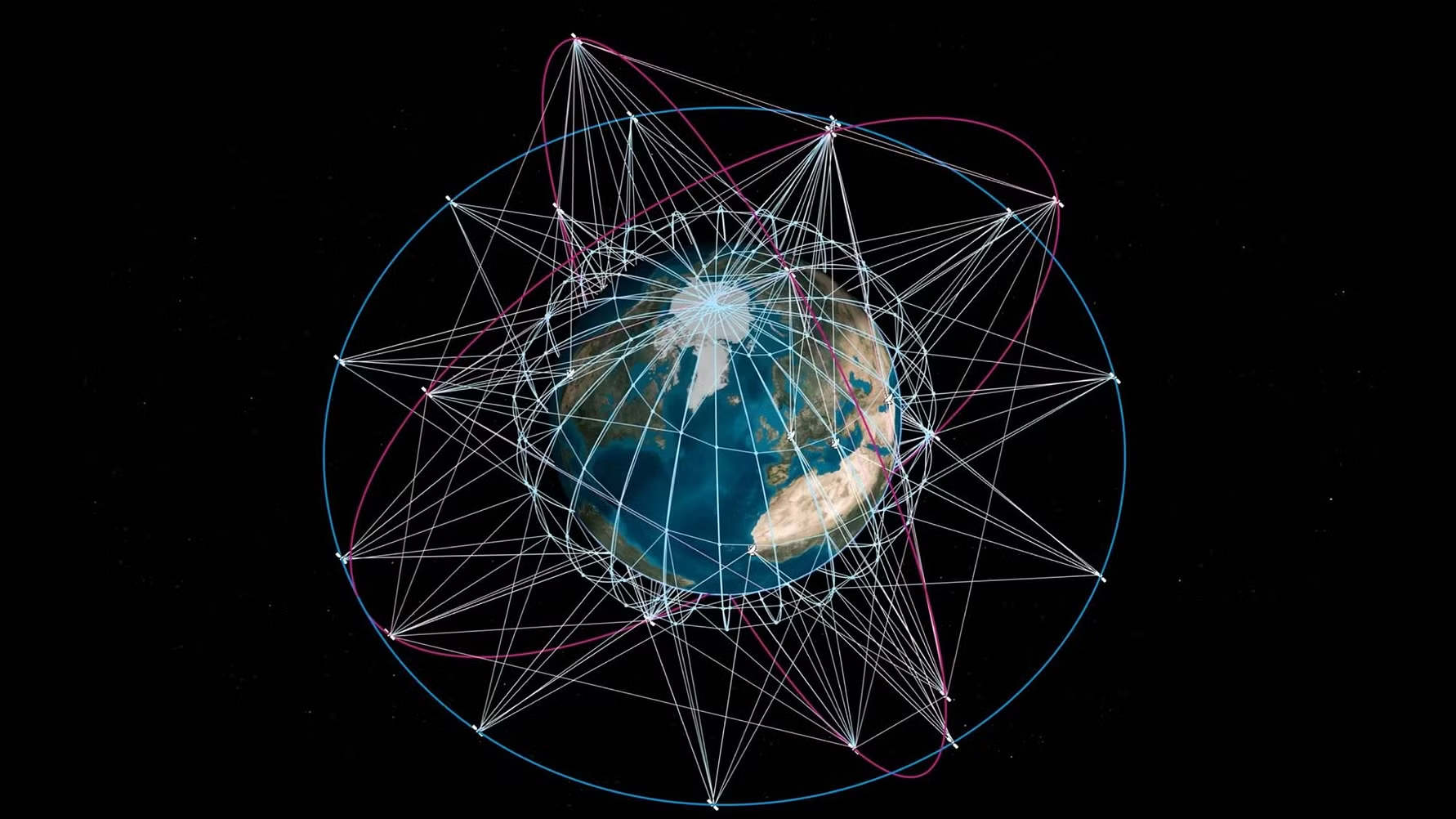
The European Space Agency is requesting several hundred million euros at its upcoming ministerial council meeting for new satellite navigation technologies from low Earth orbit to the moon.
The post ESA seeks funding for navigation technology programs at ministerial appeared first on SpaceNews.
Linking mass extinctions to the expansion and radiation of land plants
 The Devonian Period, 419 to 358 million years ago, was one of the most turbulent times in Earth's past and was marked by at least six significant marine extinctions, including one of the five largest mass extinctions ever to have occurred.
Additionally, it was during the Devonian that trees and complex land plants similar to those we know today first evolved and spread across the landscape
The Devonian Period, 419 to 358 million years ago, was one of the most turbulent times in Earth's past and was marked by at least six significant marine extinctions, including one of the five largest mass extinctions ever to have occurred.
Additionally, it was during the Devonian that trees and complex land plants similar to those we know today first evolved and spread across the landscape Rocket Lab to supply satellite separation systems for Tranche 1 Transport Layer vendors
 Rocket Lab USA, Inc. (Nasdaq: RKLB) has been awarded two contracts worth a total of $14 million to provide satellite separation systems for companies building Space Development Agency's (SDA) Tranche 1 Transport Layer (T1TL) satellites. Rocket Lab will supply more than 80 total Lightband Separation Systems (Lightbands) to prime contractor Lockheed Martin and another undisclosed customer, both of
 China launches spacecraft carrying cargo for space station
 China launched the Tianzhou-5 cargo spacecraft on Saturday morning to transport fuel and supplies to the country's orbiting Tiangong space station, according to the China Manned Space Agency.
The agency said in a news release that a Long March 7 rocket carrying the robotic cargo ship blasted off at 10:03 am at the Wenchang Space Launch Center in Hainan province.
After a 11-minute fli
China launched the Tianzhou-5 cargo spacecraft on Saturday morning to transport fuel and supplies to the country's orbiting Tiangong space station, according to the China Manned Space Agency.
The agency said in a news release that a Long March 7 rocket carrying the robotic cargo ship blasted off at 10:03 am at the Wenchang Space Launch Center in Hainan province.
After a 11-minute fli Radar used for detecting satellites put on market
 In modern military operations, reconnaissance and counter-reconnaissance have become major determinants of outcomes in combat.
Great powers are unprecedentedly reliant on space-based assets, mostly low-orbiting satellites, to spy upon their rivals and adversaries, posing a challenge to those parties on how to detect spy satellites and take countermeasures.
Experts have said that the
In modern military operations, reconnaissance and counter-reconnaissance have become major determinants of outcomes in combat.
Great powers are unprecedentedly reliant on space-based assets, mostly low-orbiting satellites, to spy upon their rivals and adversaries, posing a challenge to those parties on how to detect spy satellites and take countermeasures.
Experts have said that the Spire Global unveils solution for dark shipping detection
 Spire Global, Inc. (NYSE: SPIR) has unveiled a dark shipping detection solution to track vessels that manipulate their reported position in order to conceal nefarious activities.
The Automatic Identification System (AIS) on a vessel helps avoid collisions at sea, track global shipping trends and monitor individual vessel activity; but crew members on board can manipulate the system by turn
Spire Global, Inc. (NYSE: SPIR) has unveiled a dark shipping detection solution to track vessels that manipulate their reported position in order to conceal nefarious activities.
The Automatic Identification System (AIS) on a vessel helps avoid collisions at sea, track global shipping trends and monitor individual vessel activity; but crew members on board can manipulate the system by turn Delayed NASA Venus mission looks for a reprieve
The head of a Venus mission delayed at least three years by NASA in response to problems with another mission says she will attempt to shorten that delay.
The post Delayed NASA Venus mission looks for a reprieve appeared first on SpaceNews.
CAPSTONE initial insertion at the Moon executed as planned
 CAPSTONE made its initial insertion into the Near Rectilinear Halo Orbit (NRHO) on Sunday, November 13th. Two smaller correction maneuvers will take place this week to ensure the spacecraft is confirmed into the complex lunar orbit. This NRHO is an orbit around the Moon that has never been flown before and it is the intended orbit for the Gateway space station. NASA intends to use Gateway to sup
 CAPSTONE enters lunar orbit

A NASA-funded cubesat successfully completed a maneuver to enter orbit around the moon Nov. 13.
The post CAPSTONE enters lunar orbit appeared first on SpaceNews.
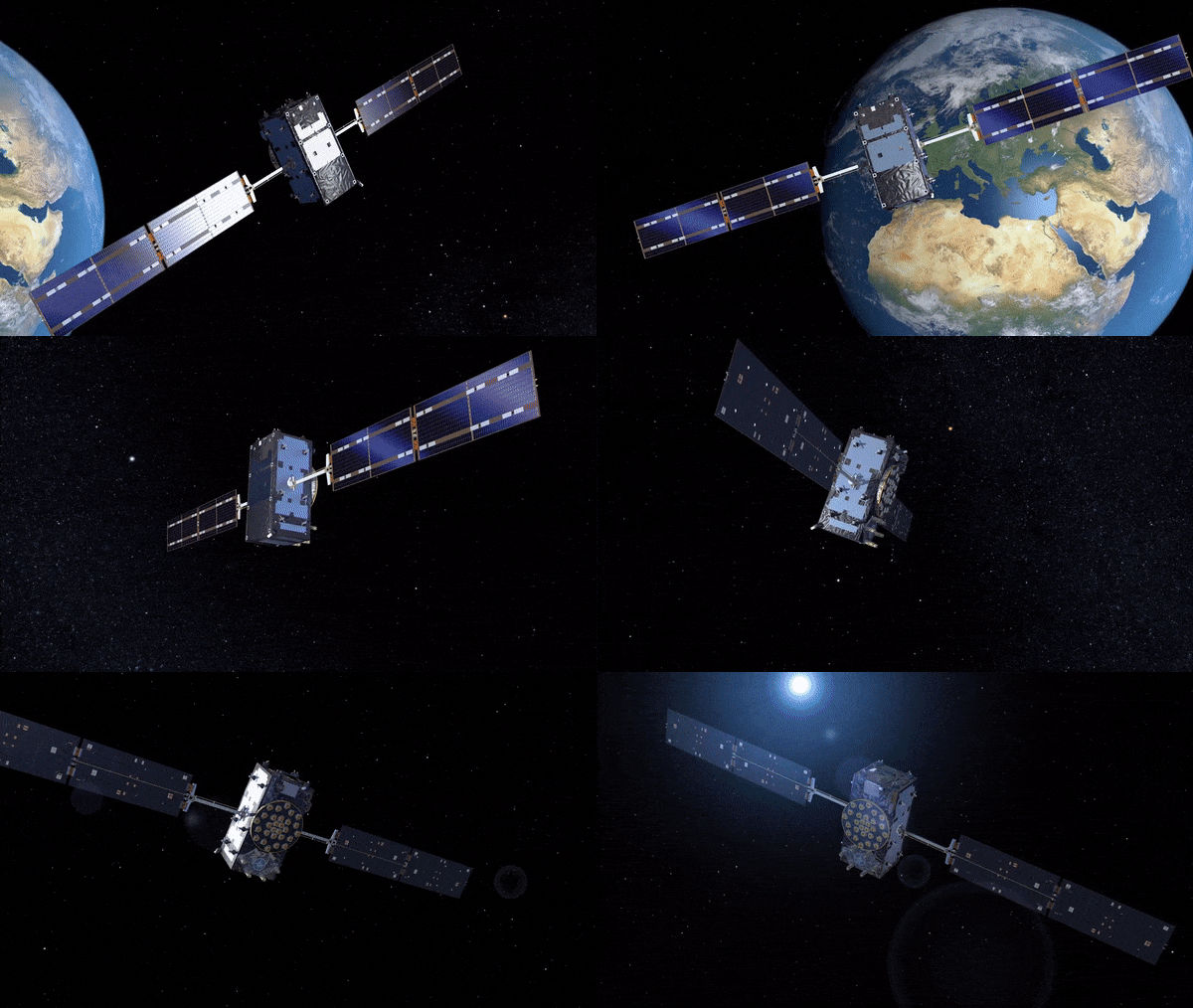
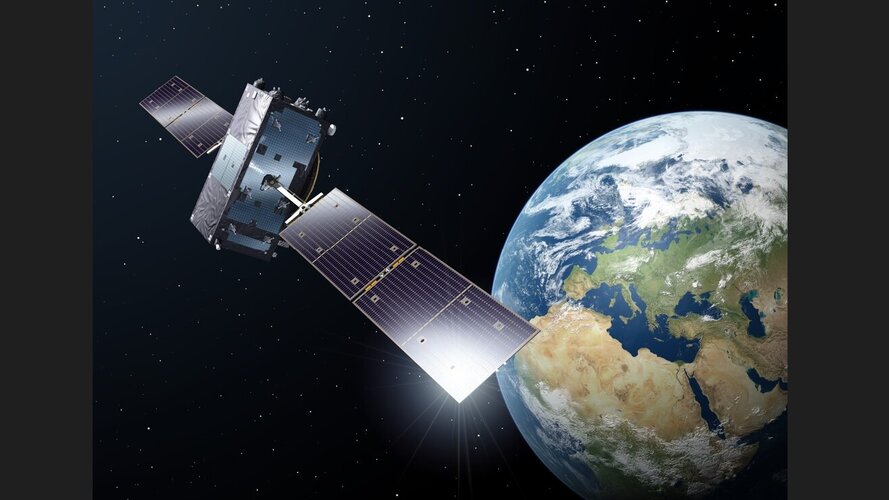
Saying goodbye to Galileo 1st Generation
 Video:
00:04:05
Video:
00:04:05
Galileo is Europe’s largest satellite constellation – and the world’s most accurate satnav system. The work on Galileo began two decades ago with two test GIOVE satellites, followed by a series of operational launches.
The two GIOVE satellites, the first Galileo In-Orbit Validation satellite and all 34 Galileo Full Operational Capability satellites were tested at ESA’s ESTEC Test Centre, Europe’s largest satellite testing facility.
On this day the very last satellite in the Galileo First Generation series leaves the site, and the people responsible for readying them for space have gathered to say goodbye. Next will come the Galileo