ISS habitat is safe for its residents, according to 5-year microbial study
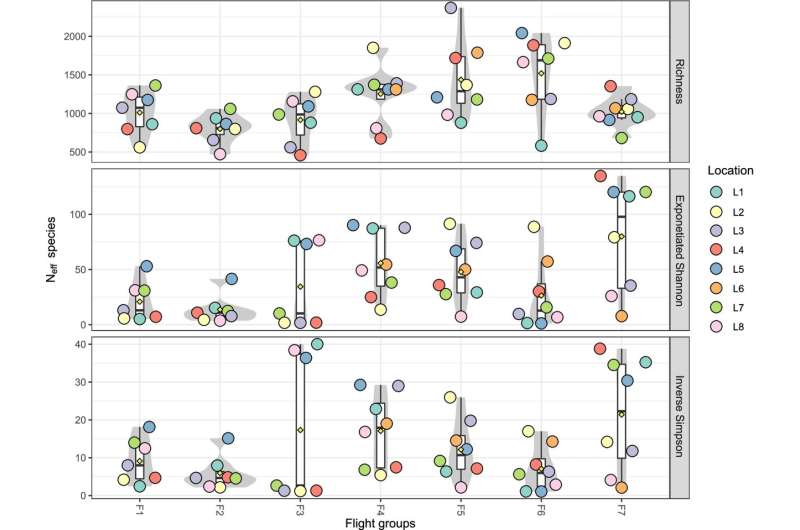
A 5-year microbial study of the International Space Station (ISS) and its astronauts by Lawrence Livermore National Laboratory (LLNL) and NASA researchers has found that the ISS habitat is safe for its residents.
The research effort represents the first comprehensive characterization of the space station's environmental profile (or microbiome) and is the first to compare the ISS microbiome to an astronaut's microbiome using metagenomic DNA sequencing techniques.
Researchers create lunar regolith bricks that could be used to construct Artemis base camp
As part of NASA's Artemis program to establish a long-term presence on the moon, it aims to build an Artemis base camp that includes a modern lunar cabin, rover and mobile home. This fixed habitat could potentially be constructed with bricks made of lunar regolith and saltwater, thanks to a recent discovery from a team of UCF researchers.
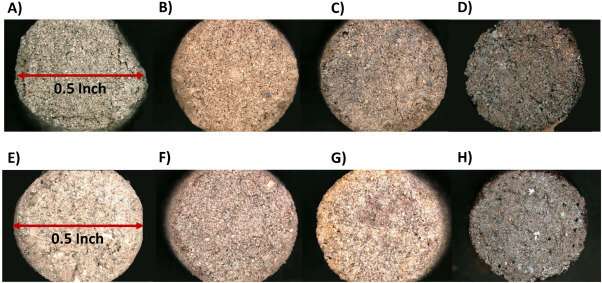
Associate Professor Ranajay Ghosh of UCF's Department of Mechanical and Aerospace Engineering and his research group found that 3D-printed bricks of lunar regolith can withstand the extreme environments of space and are a good candidate for cosmic construction projects. Lunar regolith is the loose dust, rocks and materials that cover the moon's surface.
The results of their experiments are detailed in a recent issue of Ceramics International.
To create the bricks, Ghosh's team in the Complex Structures and Mechanics of Solids (COSMOS) Lab used a combination of 3D printing and binder jet technology (BJT), an additive manufacturing method that forces out a liquid binding agent onto a bed of powder.
Lucy spacecraft captures images of Earth, Moon ahead of gravity assist
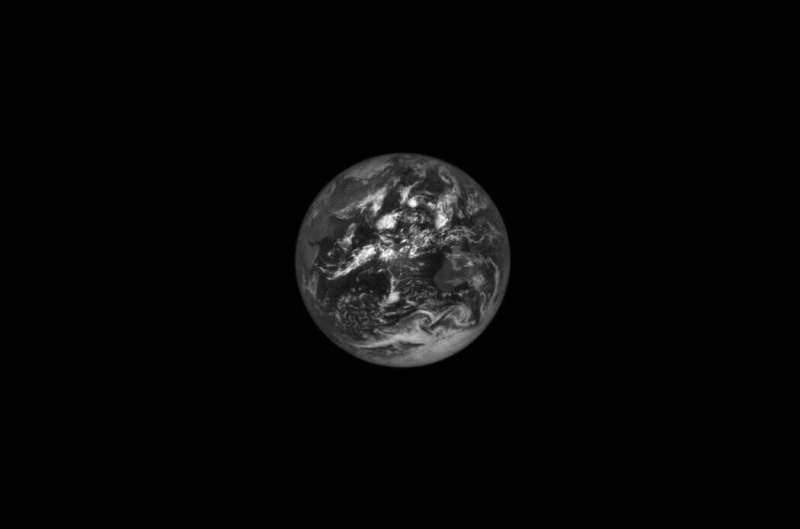
NASA's Lucy spacecraft captured an image of the Earth on Oct 15, 2022, and an image of the Earth and the Moon on Oct.
Space Force to seek budget boost beyond 2023, China’s capabilities are ‘close to ours’
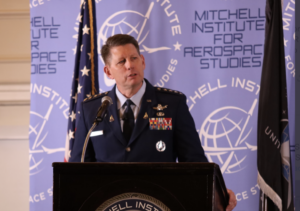
Gen. David "DT" Thompson, U.S. vice chief of space operations, said the Space Force is likely to see continued funding increases to counter China’s rapid advances in its space program.
The post Space Force to seek budget boost beyond 2023, China’s capabilities are ‘close to ours’ appeared first on SpaceNews.
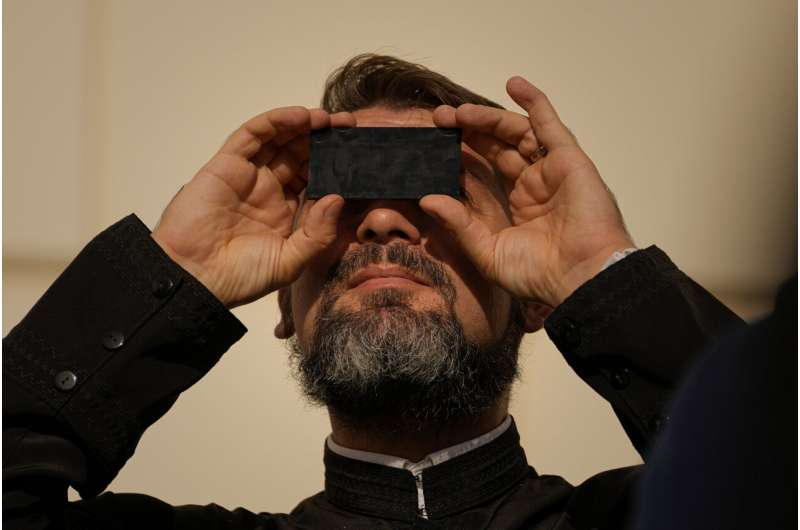
Partial solar eclipse takes a bite out of the sun
Webb explores a pair of merging galaxies
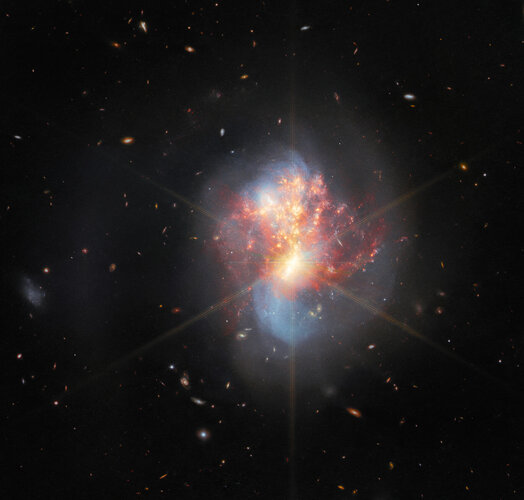 Image:
Webb explores a pair of merging galaxies
Image:
Webb explores a pair of merging galaxies ESA plans for low-orbiting navigation satellites

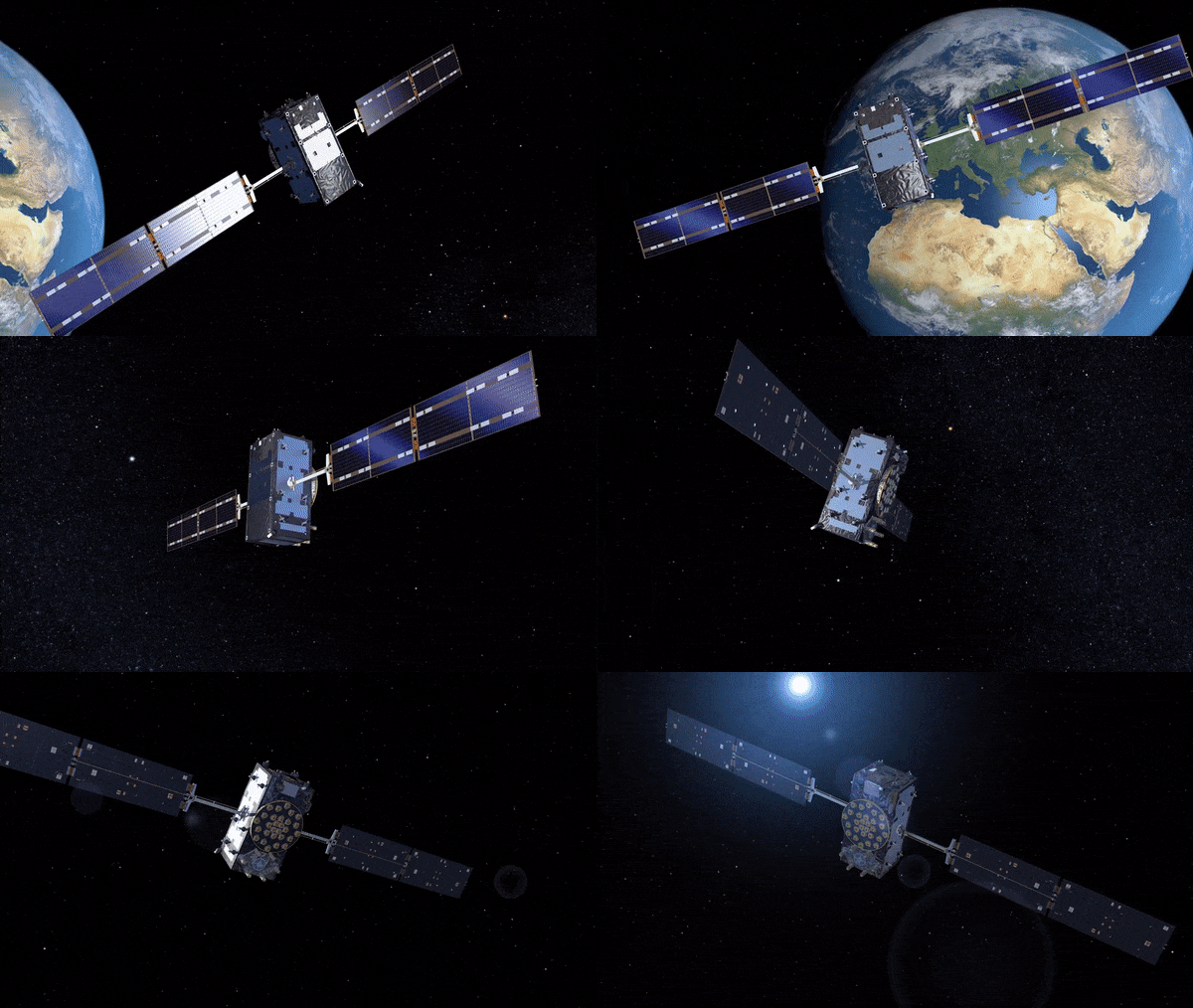
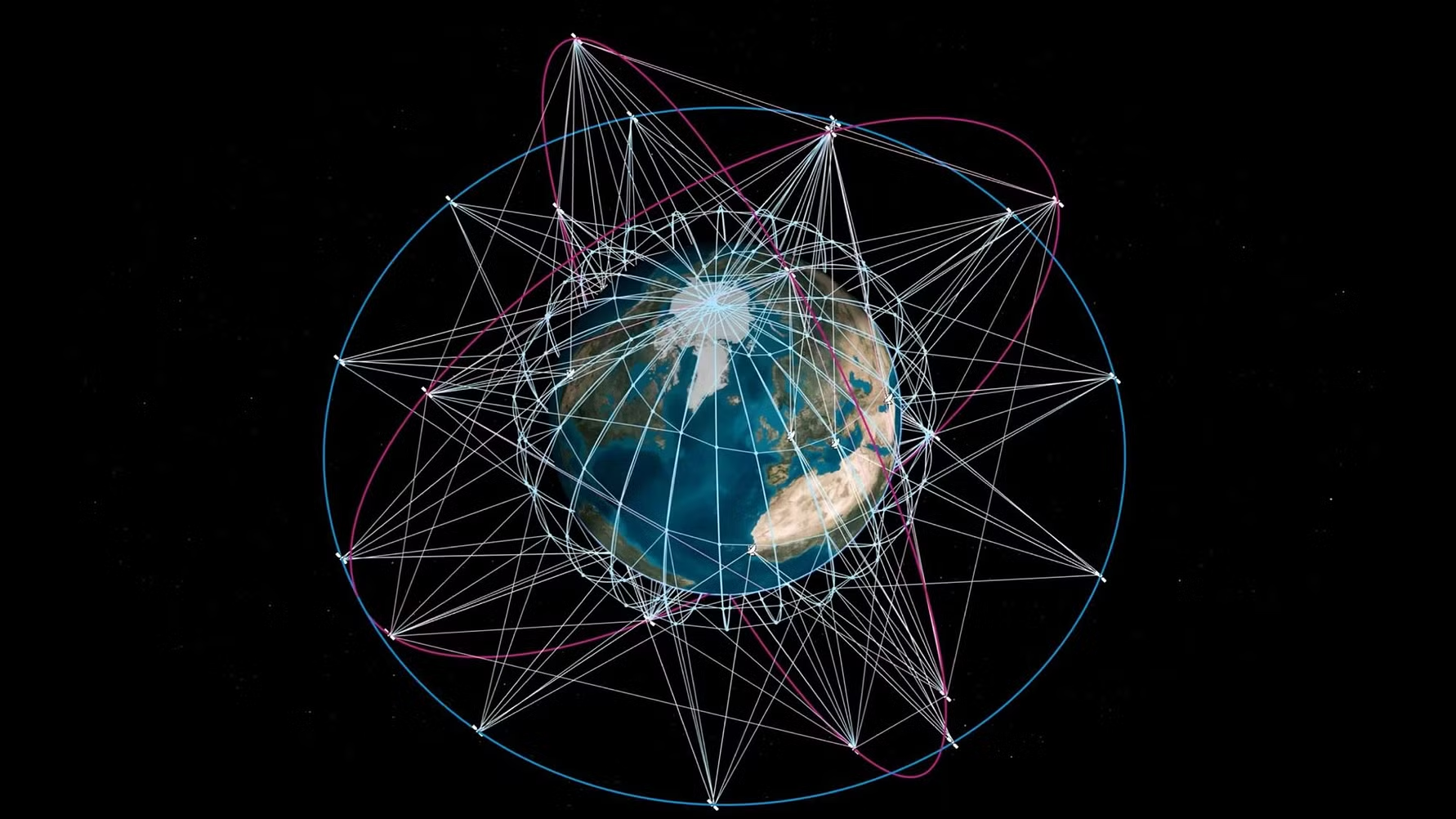
Satellite navigation is headed closer to users. ESA’s Navigation Directorate is planning an in-orbit demonstration with new navigation satellites that will orbit just a few hundred kilometres up in space, supplementing Europe’s 23 222-km-distant Galileo satellites. Operating added-value signals, these novel so-called ‘LEO-PNT’ satellites will investigate a new multi-layer satnav system-of-systems approach to deliver seamless Positioning, Navigation and Timing services that are much more accurate, robust and available everywhere.
Craters and cracks on Mars

This complex region of craters and fractures in the Terra Sirenum region highlights the varied history of Mars. The image was taken by ESA’s Mars Express on 5 April 2022.
Proba-2 sees two partial eclipses
 Video:
00:00:23
Video:
00:00:23
ESA’s Proba-2 captured two partial solar eclipses on 25 October 2022.
A solar eclipse is caused by the movement of the Moon around Earth. Despite their much different sizes, due to their separation, the Moon appears to be about the same size as the significantly larger Sun in the sky. Occasionally, the Moon passes in front of the Sun, blocking its light, so that part of the Earth’s surface is in the Moon’s shadow. The line-up is not always perfect, and so not every eclipse is a total solar eclipse.
On 25 October only part of the Sun’s light was
ISS partners weigh options for using commercial space stations
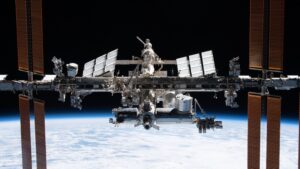
Partner agencies on the International Space Station program say they are in discussions about how they will use, and pay for, commercial space stations that will replace it.
The post ISS partners weigh options for using commercial space stations appeared first on SpaceNews.