

M10 engine test success marks key step toward Vega-E
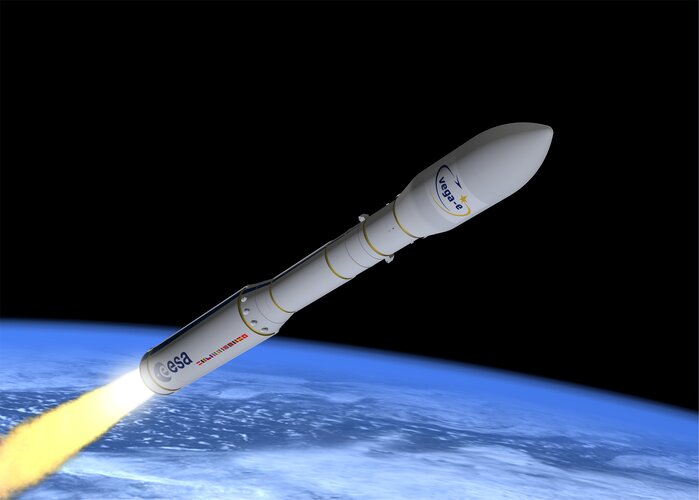
An innovative new rocket engine that is key to ESA’s strategy for ensuring Europe’s independent access to space has successfully completed its first hot-firing test run. M10 is the first of a new generation of “green” rocket motors tested in Europe, at the new SPTF plant (Space Propulsion Test Facility) built by prime contractor Avio in Sardinia.
New Intelsat CEO builds out leadership team
Intelsat announced financial, commercial and aviation leadership changes May 5 to guide the satellite operator’s post-bankruptcy future.
The post New Intelsat CEO builds out leadership team appeared first on SpaceNews.
Op-ed | Why Army Space?
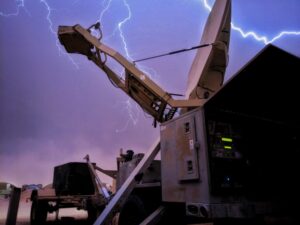
Now, more than ever, we must view space operations through a tactical lens. While the Space Force rightfully focuses “up” to where satellites orbit, Army Space looks “down” to the terrestrial sphere, where people live and wars have been fought for millennia.
A magnetic bubble could protect astronauts from dangerous space radiation
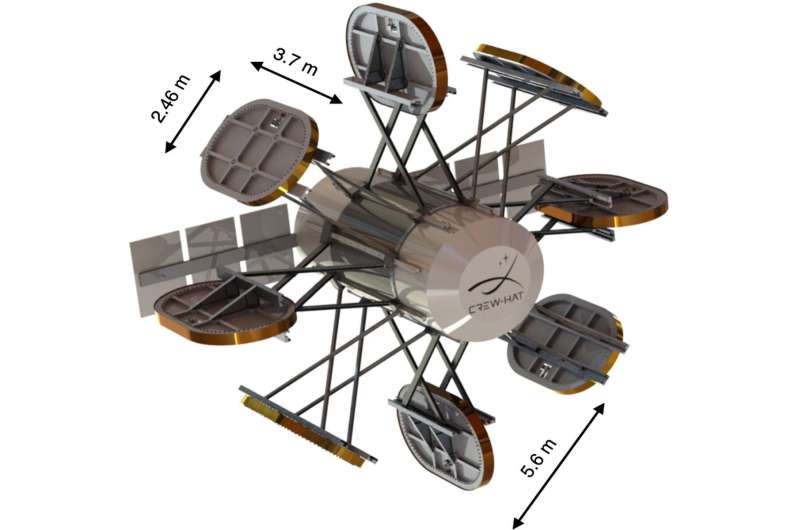
Humans have long dreamed of setting foot on Mars or beyond, and the advances by companies like SpaceX and Blue Origin means perhaps the dream could be closer than ever to becoming reality. But as it stands now, sending astronauts on long-duration missions to other worlds would be impossible because of the hazardous radiation levels in space, outside of Earth's protective magnetic field.
However, a new concept offers hope on the horizon, and the researchers behind it have received funding from the NASA Innovative Advanced Concepts (NIAC) program to build a prototype. Called CREW HaT, the proposal takes advantage of the latest advances in superconducting magnet technology to effectively shield spacecraft—and the astronauts inside—from harmful space radiation.
"We came up with a novel idea about how to shield spaceships from cosmic radiation and energetic solar radiation," said Dr.
SpaceX brings 4 astronauts home, then launches 53 satellites
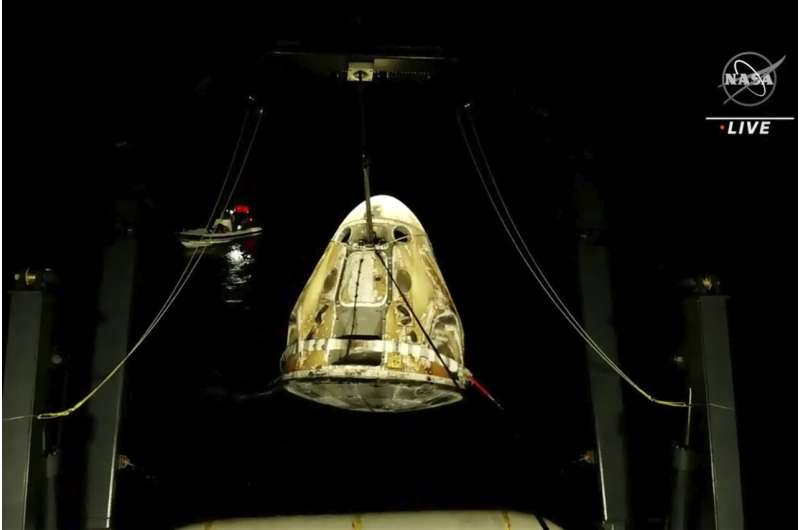
SpaceX brought four astronauts home with a midnight splashdown in the Gulf of Mexico on Friday, capping the busiest month yet for Elon Musk's taxi service.
Telesat to order 100 fewer satellites for LEO constellation
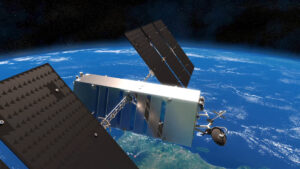
TAMPA, Fla. — Increasing costs and delays have forced Telesat to downsize plans for 298 low Earth orbit satellites by a third to keep within its $5 billion budget.
The post Telesat to order 100 fewer satellites for LEO constellation appeared first on SpaceNews.
Virgin Galactic pushes back commercial suborbital flights to 2023
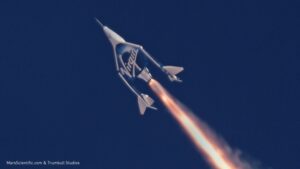
Virgin Galactic is again postponing the start of commercial service of its SpaceShipTwo suborbital spaceplane from late 2022 to early 2023, blaming the latest delay on supply chain and labor issues.
The post Virgin Galactic pushes back commercial suborbital flights to 2023 appeared first on SpaceNews.
SpaceX moved NROL-85 from the Cape to Vandenberg at no extra cost, in exchange for reusing booster
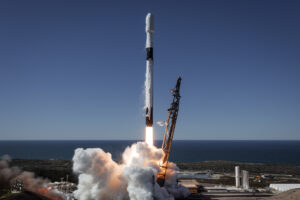
The NRO and SpaceX worked out a deal to move NROL-85 to the West Coast at no extra cost to the government and in exchange the NRO agreed to fly the mission on a reused first stage
Avio has successfully tested the new M10 liquid methane and liquid oxygen engine
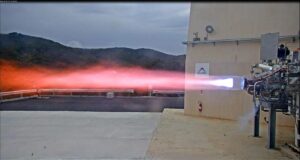
Avio has successfully carried out the first test of the new M10 liquid oxygen-liquid/methane engine, the first of its kind to be successfully tested in Europe.
The post Avio has successfully tested the new M10 liquid methane and liquid oxygen engine appeared first on SpaceNews.
First rays of sunlight for balloon-borne solar observatory Sunrise III
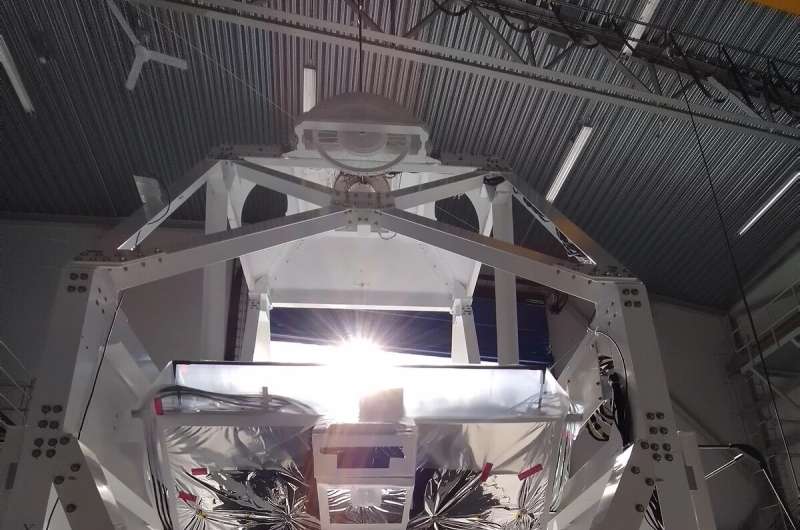
Approximately a month before it begins its research flight in the stratosphere, the balloon-borne solar observatory Sunrise III has looked at the Sun for the first time from its launch site at the Arctic Circle. In June, Sunrise III will take off from Esrange Space Center, the Swedish Space Agency's (SSC) balloon and rocket base in Kiruna (Sweden), and will climb to an altitude of about 35 kilometers. During its flight of several days, it will then take unique measurements of the Sun. In this way, processes in the chromosphere, the highly dynamic layer between the visible surface and the outer atmosphere of the Sun, will become visible more precisely than ever before. In the remaining weeks until launch, the technical and scientific teams from Germany, Spain, Japan, and the U.S. will prepare all systems and the scientific instruments for their mission and rehearse flight procedures and operations.


