New great observatories, including Lynx, recommended as a national priority by decadal survey
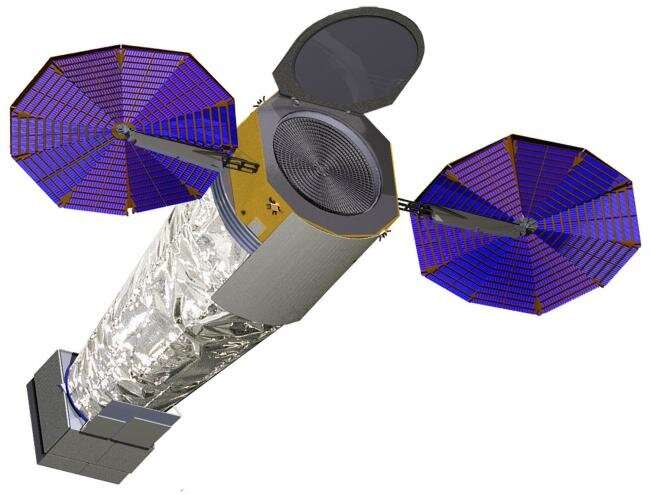
The 2020 Decadal Survey for Astronomy and Astrophysics has recommended a new series of three Great Observatories—or space-based telescopes—as a top national priority for the future of space astrophysics.
The Lynx X-Ray Observatory is included as part of this vision. Dozens of scientists and engineers at the Center for Astrophysics | Harvard & Smithsonian teamed with colleagues around the world to define the observatory's scientific objectives, conceptualize its design and work on key technologies.
Known as the Decadal Survey, the report evaluates astrophysics and astronomy programs and prioritizes them for the next decade of transformative science. Findings from the survey are submitted as recommendations to NASA, the National Science Foundation and the Department of Energy to guide funding requests and allocations for astrophysics over the next 10 years.
"I am pleased to hear that the scientific community endorses a vision for the New Great Observatories that includes Lynx," says Charles Alcock, director of the Center for Astrophysics (CfA). "Lynx will transform our understanding of the cosmos by providing by far the most sensitive X-ray vision into the otherwise invisible universe.
Op-ed | Security clearance reforms needed to accelerate space innovation
The U.S. government’s restrictive security clearance process is hindering its ability to access cutting-edge space technology and protect sensitive information from foreign espionage.
Astronauts to return from space station next week: NASA
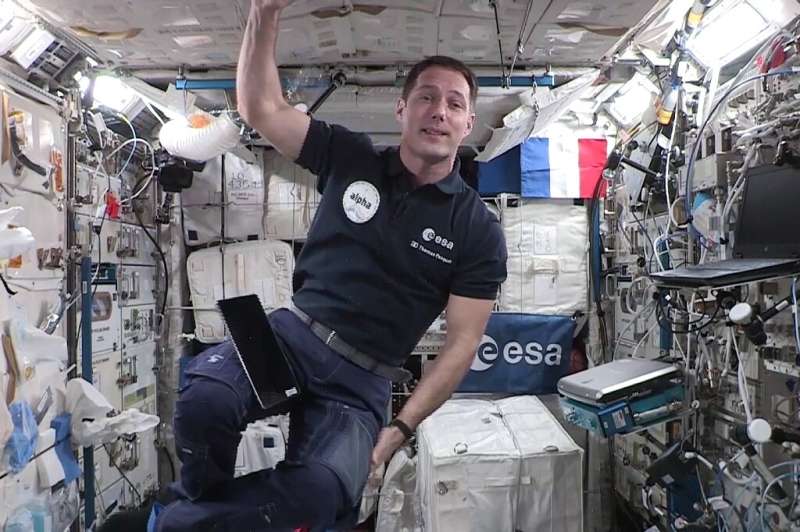
Four astronauts are scheduled to return to Earth from the International Space Station early Monday after spending more than six months in space, NASA announced.
The four members of the Crew-2 mission, including a French and a Japanese astronaut, will therefore return to Earth before the arrival of a replacement crew, whose take-off was delayed several times due to unfavorable weather conditions.
NASA said in a statement late Friday that Crew-2 members are due to return to Earth "no earlier than 7:14 am EST (1214 GMT) Monday, Nov. 8, with a splashdown off the coast of Florida."
"As we're preparing to leave, it's kind of a bittersweet feeling, we might never come back to see the ISS, and it's really a magical place," French astronaut Thomas Pesquet said earlier Friday during a press conference from the space station.
No toilet for returning SpaceX crew, stuck using diapers
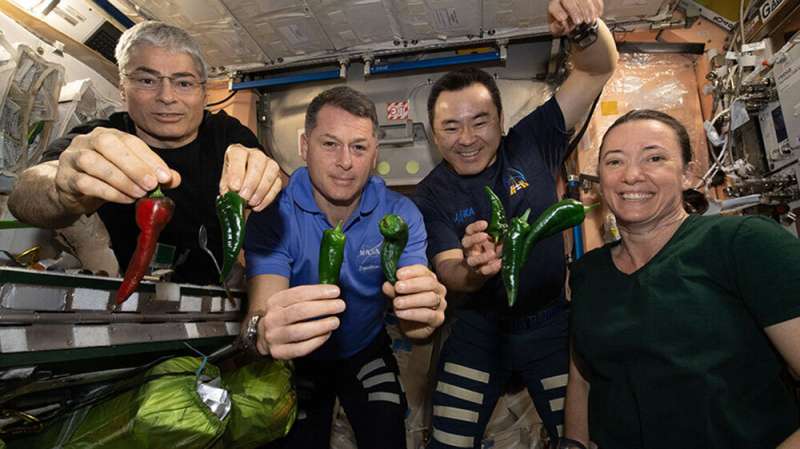
The astronauts who will depart the International Space Station on Sunday will be stuck using diapers on the way home because of their capsule's broken toilet.
NASA astronaut Megan McArthur described the situation Friday as "suboptimal" but manageable. She and her three crewmates will spend 20 hours in their SpaceX capsule, from the time the hatches are closed until Monday morning's planned splashdown.
"Spaceflight is full of lots of little challenges," she said during a news conference from orbit.
New dates for Crew-2 return and Crew-3 launch
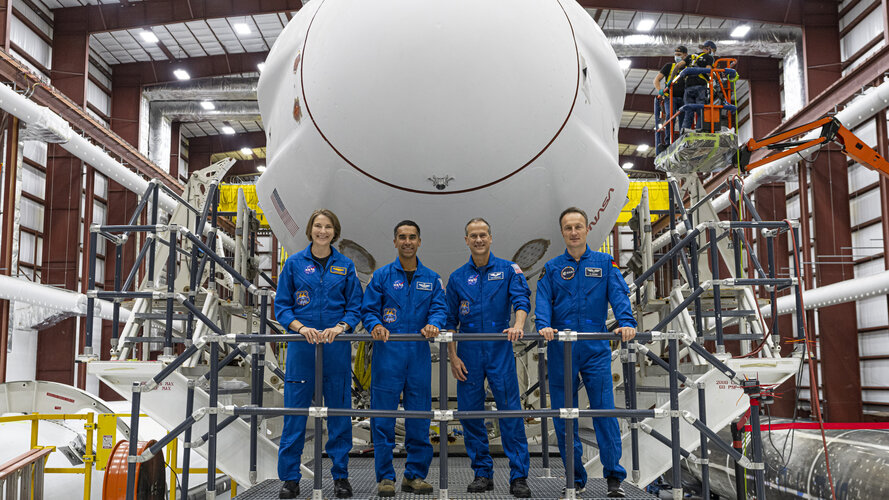
Update: Undocking of Crew-2 with Thomas Pesquet now planned for Sunday, 7 November, 18:05 GMT/19:05 CET for a splashdown on Monday, around 12:14 GMT/13:14 CET. Next launch opportunity for Crew-3 with Matthias Maurer is planned for Thursday, 11 November, 02:03 GMT/03:03 CET.
Satellite operators battle broadcast declines amid looming connectivity growth

Lower broadcast revenues and the pandemic continue to drag on the financials of major satellite operators as they point to the traction they are gaining in their new connectivity growth engines.
Crew-2 astronauts to return before Crew-3 launch
The four Crew-2 astronauts currently on the International Space Station will return to Earth ahead of the delayed launch of their replacements, NASA announced late Nov. 5.
Harris says National Space Council will develop “comprehensive framework” for space priorities
In her first speech devoted to space since taking office, Vice President Kamala Harris said she will direct the National Space Council to develop a “comprehensive framework” for national space priorities, with an emphasis on climate change.
NASA takes additional steps to investigate Hubble in safe mode
 NASA is continuing work to resolve an issue that has suspended science operations on the Hubble Space Telescope. The science instruments entered a safe mode configuration on Oct. 25 after detecting a loss of specific data synchronization messages.
The Hubble team is focusing its efforts to isolate the problem on hardware that commands the instruments and is part of the Science Instrument C
NASA is continuing work to resolve an issue that has suspended science operations on the Hubble Space Telescope. The science instruments entered a safe mode configuration on Oct. 25 after detecting a loss of specific data synchronization messages.
The Hubble team is focusing its efforts to isolate the problem on hardware that commands the instruments and is part of the Science Instrument C Tidying up planetary nurseries
 A group of astronomers, led by scientists from the Max Planck Institute for Astronomy, propose and have tested a mechanism that explains most of the properties observed in dispersing planet-forming disks around newborn stars for the first time. The key ingredients to this new physical concept are X-ray emissions from the central star and a calm inner disk, well shielded from the incident radiati