TrustPoint raises $2 million for GPS alternative
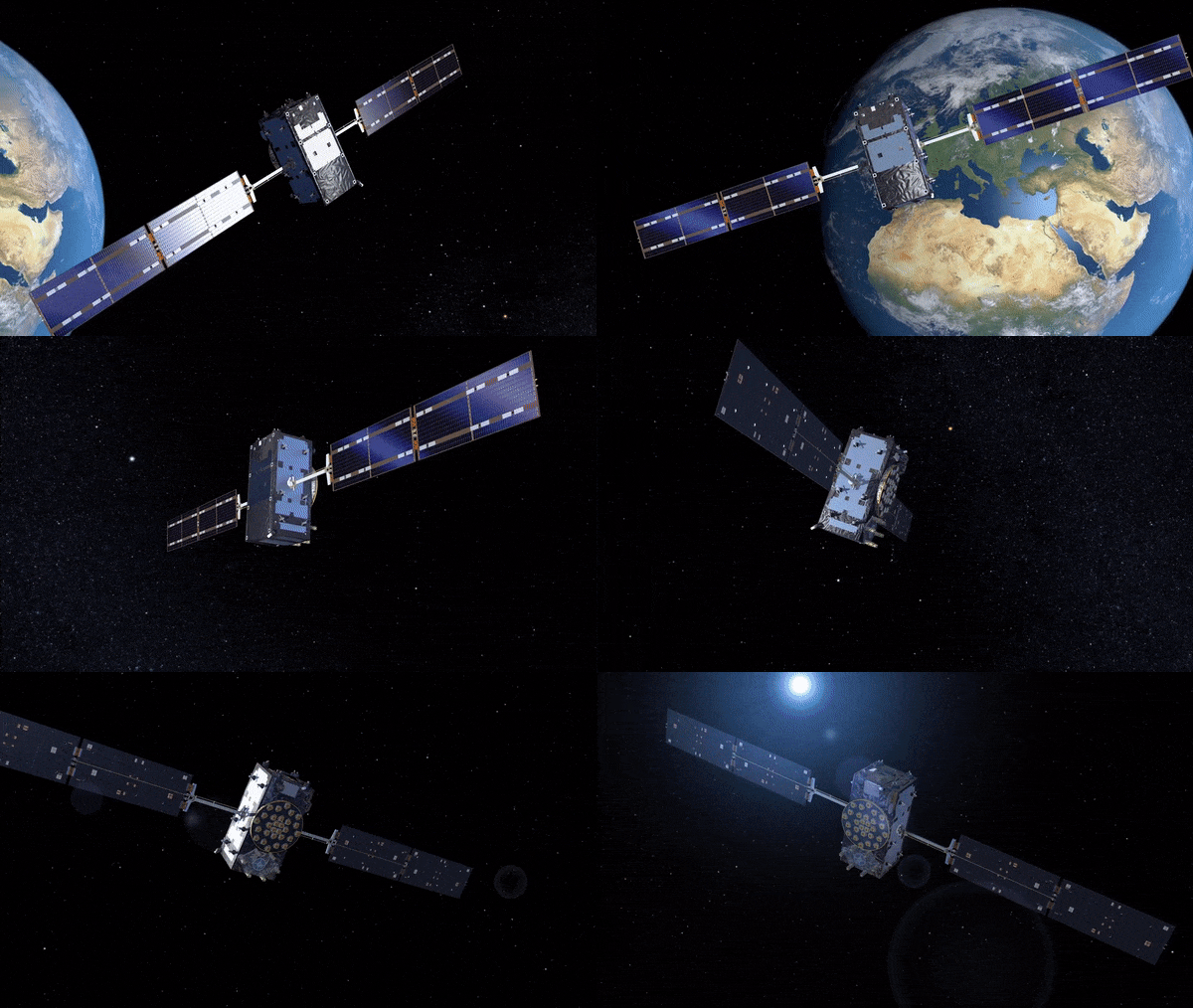
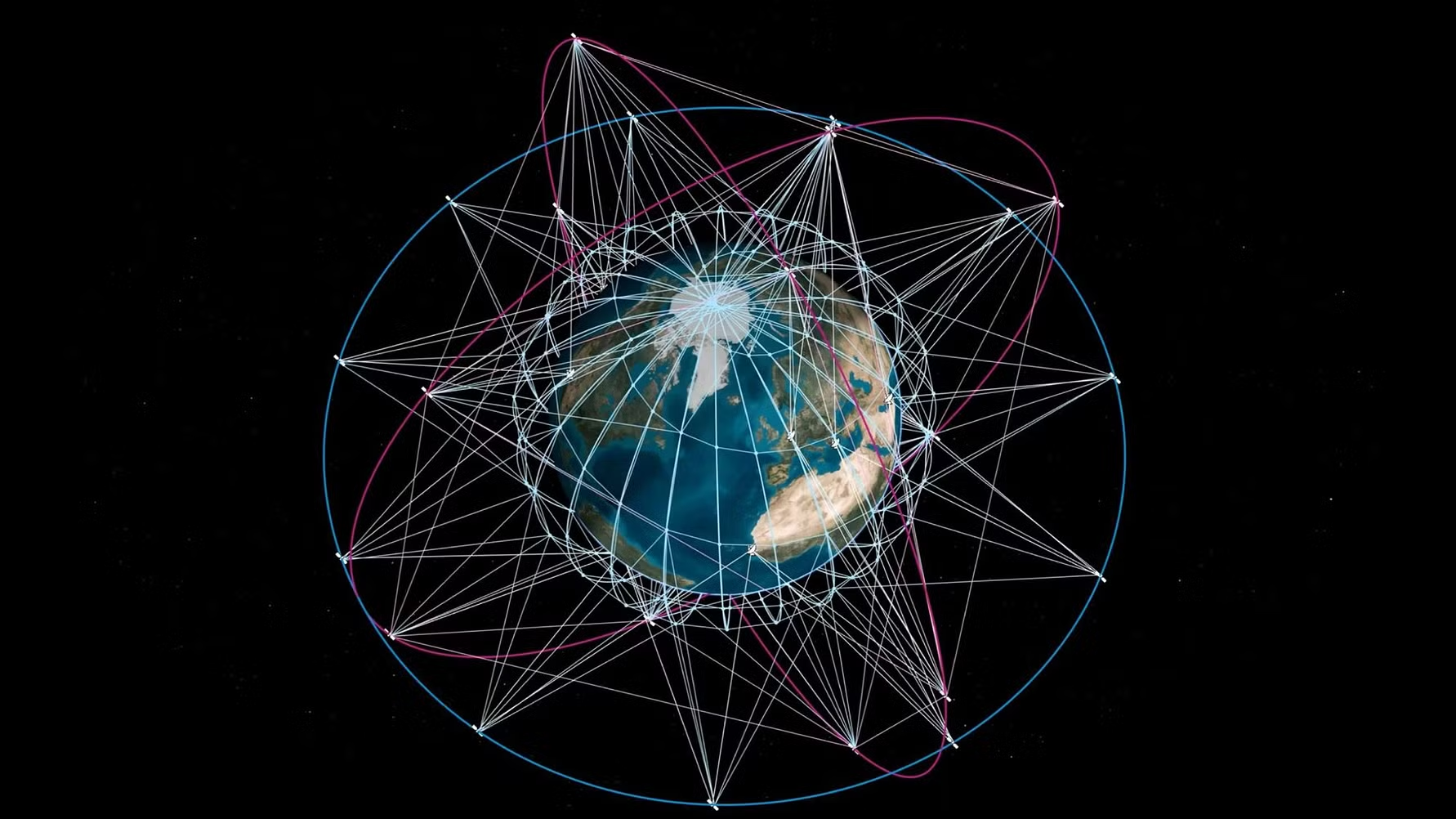
TrustPoint Inc., a startup developing a global navigation satellite system, has raised $2 million in seed funding from venture capital firm DCVC.
PlanetIQ announces highest-performance radio occultation satellite
PlanetIQ is raising money to accelerate its campaign to establish a 20-satellite Global Navigation Satellite System radio occultation constellation by 2024.
How the Sun affects asteroids in our neighborhood
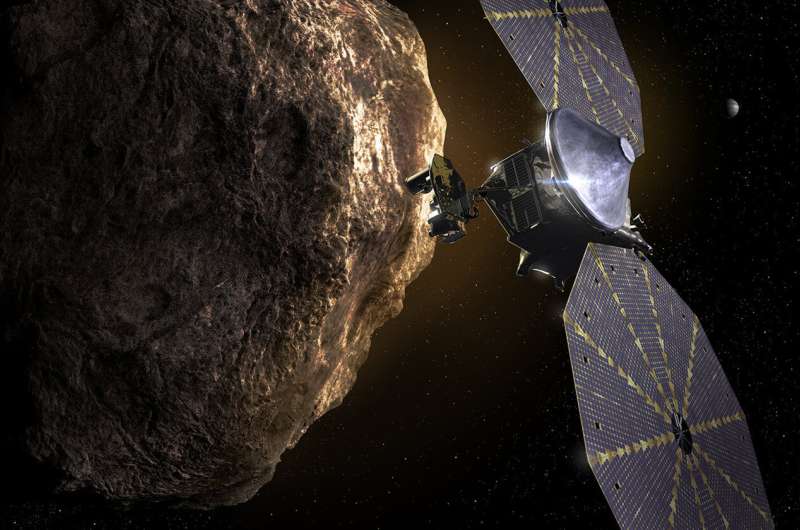
Asteroids embody the story of our solar system's beginning. Jupiter's Trojan asteroids, which orbit the Sun on the same path as the gas giant, are no exception. The Trojans are thought to be left over from the objects that eventually formed our planets, and studying them might offer clues about how the solar system came to be.
Over the next 12 years, NASA's Lucy mission will visit eight asteroids—including seven Trojans—to help answer big questions about planet formation and the origins of our solar system. It will take the spacecraft about three and a half years to reach its first destination. What might Lucy find?
Like all the planets, asteroids exist in the heliosphere, the vast bubble of space defined by the reaches of our Sun's wind. Directly and indirectly, the Sun affects many aspects of existence within this pocket of the universe. Here are a few of the ways the Sun influences asteroids like the Trojans in our solar system.
Place in Space
The Sun makes up 99.8% of the solar system's mass and exerts a strong gravitational force as a result.
Three hours to save Integral
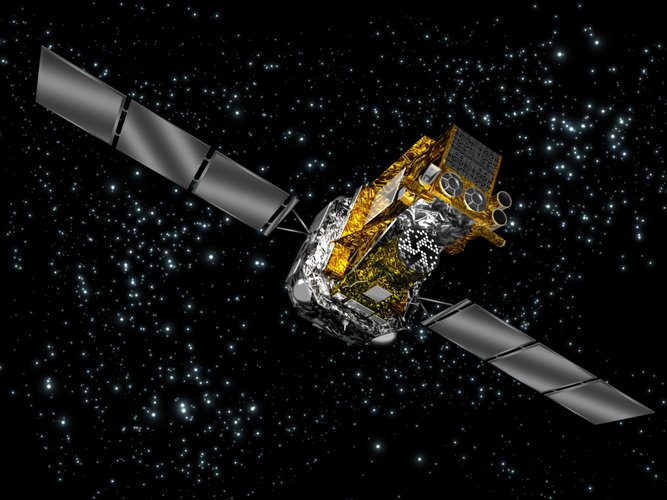
On 22 September, around midday, ESA’s Integral spacecraft went into emergency Safe Mode. One of the spacecraft’s three active ‘reaction wheels’ had turned off without warning and stopped spinning, causing a ripple effect that meant the satellite itself began to rotate.
Op-ed | Small states in outer space: Monaco’s ambitions for the NewSpace age
Previously seen as a source of national pride reserved only for superpowers, space exploration has now become the focus of emerging and smaller nations.
Death in space: Here's what would happen to our bodies
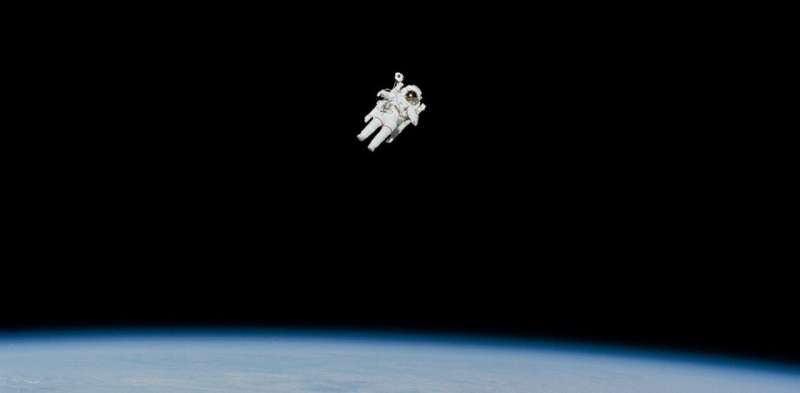
As space travel for recreational purposes is becoming a very real possibility, there could come a time when we are traveling to other planets for holidays, or perhaps even to live. Commercial space company Blue Origin has already started sending paying customers on sub-orbital flights. And Elon Musk hopes to start a base on Mars with his firm SpaceX.
This means we need to start thinking about what it will be like to live in space—but also what will happen if someone dies there.
After death here on Earth, the human body progresses through a number of stages of decomposition. These were described as early as 1247 in Song Ci's The Washing Away of Wrongs, essentially the first forensic science handbook.
First the blood stops flowing and begins to pool as a result of gravity, a process known as livor mortis. Then the body cools to algor mortis, and the muscles stiffen due to uncontrolled build-up of calcium in the muscle fibers. This is the state of rigor mortis.
A spacecraft could use gravity to prevent a dangerous asteroid impact
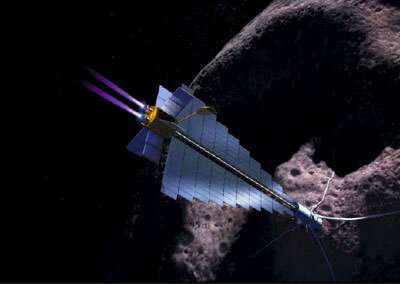
The idea of avoiding asteroid impacts has featured prominently in the public's mind for decades—especially since the release of movies such as Deep Impact and Armageddon. But is using a nuclear explosion the best way to deal with potentially hazardous space rocks? Decidedly not. If given enough time, there is a much more effective (and safer) way to deal with any object on a collision course with Earth—a gravity tractor. Now, Dr. Yohannes Ketema from the University of Minnesota has developed a flight pattern that makes this simplest of all asteroid defense mechanisms that much more effective.
Gravity tractors have been around for a while. They use the gravity of an artificial body to pull an object toward it and slightly change its trajectory. Over long periods, this would pull the hazardous object out of the current trajectory into a safer one. It also has the advantage of not requiring any direct impact or explosion on the surface of the asteroid itself.
NASA Selects Gamma-ray Telescope to Chart Milky Way Evolution
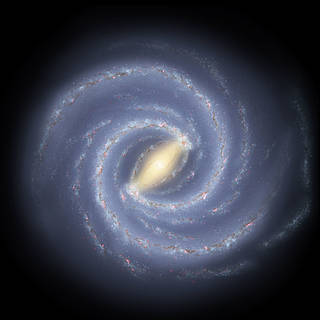 NASA has selected a new space telescope proposal that will study the recent history of star birth, star death, and the formation chemical elements in the Milky Way.
 Betting on flexibility: Intelsat’s post-bankruptcy growth strategy
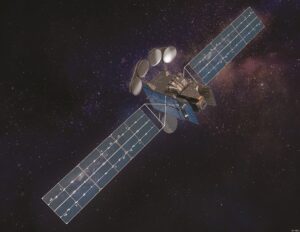
SpaceNews spoke with Samer Halawi, Intelsat’s executive vice president and chief commercial officer, to learn more about the satellite giant’s post-restructuring growth strategy.
‘We go together’: US Space Force chief seeks deeper space cooperation with South Korea
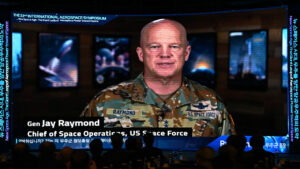
The U.S. Space Force’s top general expressed hope for deepening cooperation with South Korea's military Oct. 18, saying “Katchi Kapshida,” which means “We go together” in Korean, a symbolic slogan of the long-standing Korea-U.S. alliance.