RUAG Space: Ten times more accurate satellite positioning
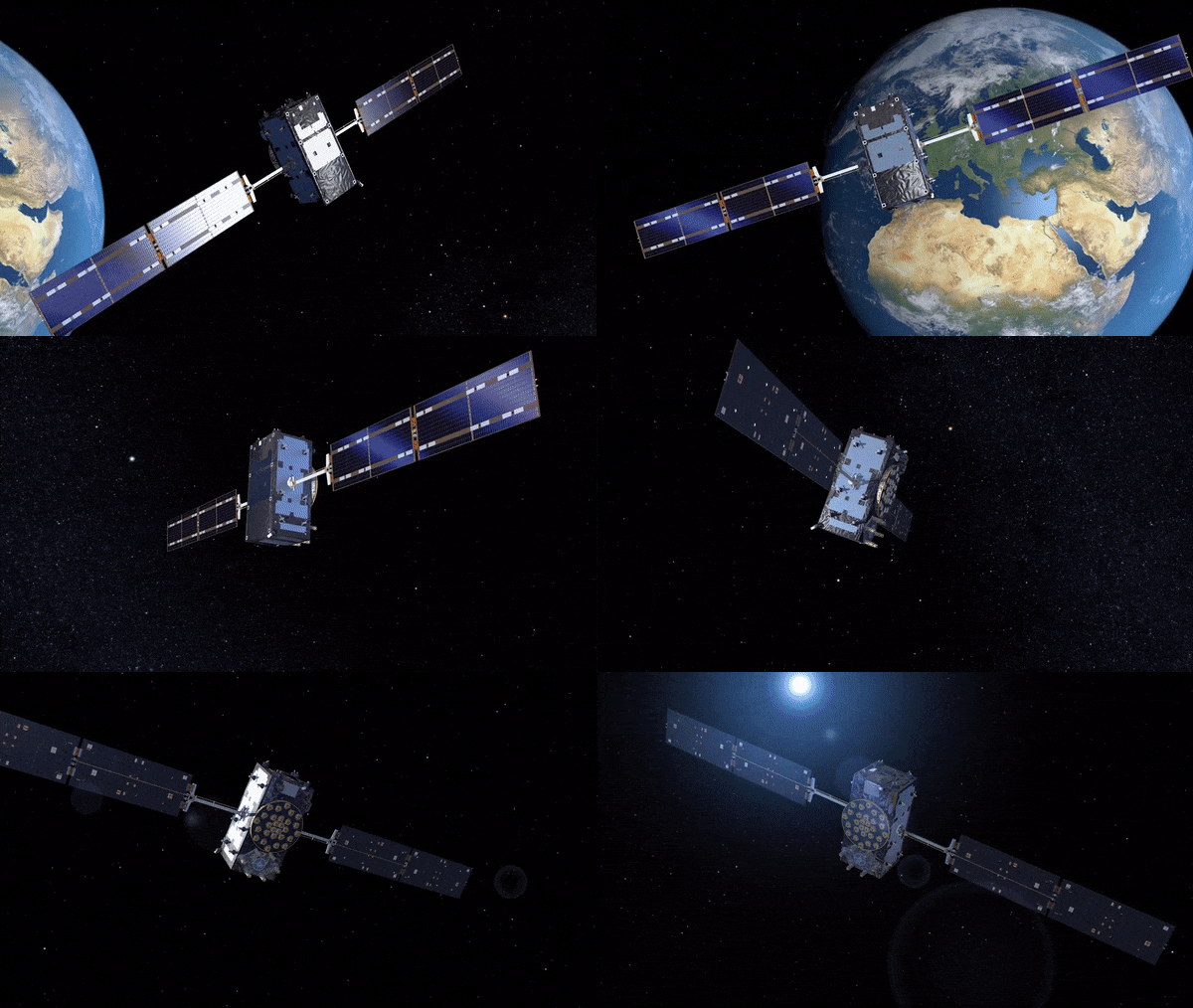
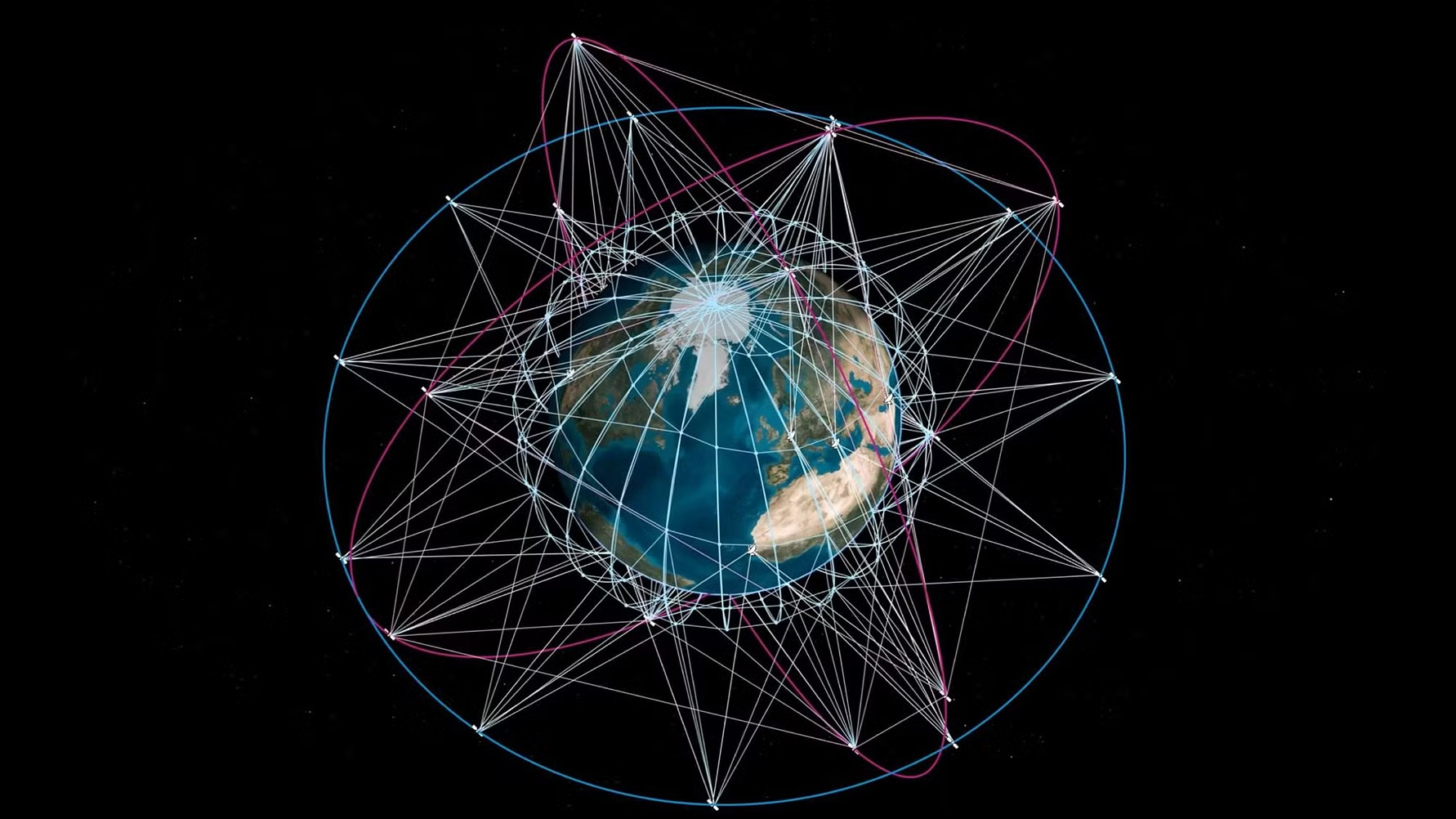
A new software from RUAG Space for its GNSS receivers makes it possible to determine the position of a satellite in orbit ten times more accurately.
Titan's river maps may advise Dragonfly's sedimental journey
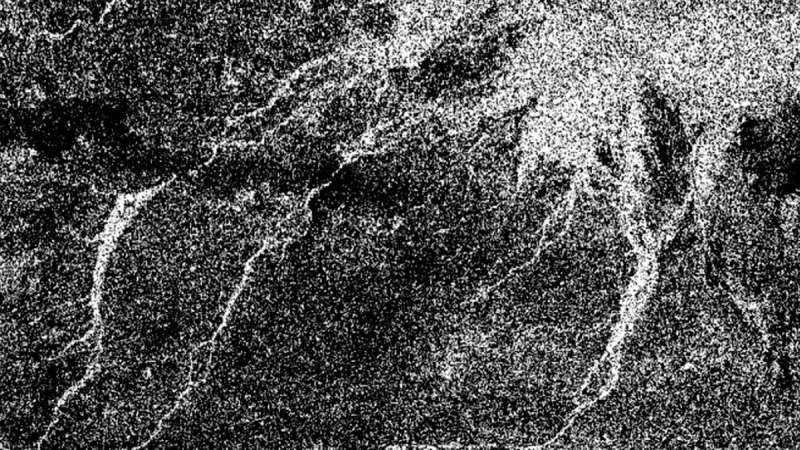
With future space exploration in mind, a Cornell-led team of astronomers has published the final maps of Titan's liquid methane rivers and tributaries—as seen by NASA's late Cassini mission—so that may help provide context for Dragonfly's upcoming 2030s expedition.
The fluvial maps and details of their accuracy were published in the Planetary Science Journal. In addition to the maps, the work examined what could be learned by analyzing Earth's rivers by using degraded radar data—similar to what Cassini saw.
Like water on Earth, liquid methane and ethane fill Titan's lakes, rivers and streams. But understanding those channels—including their twists and branch-like turns—is key to knowing how that moon's sediment transport system works and the underlying geology.
"The channel systems are the heart of Titan's sediment transport pathways," said Alex Hayes, associate professor of astronomy in the College of Arts and Sciences.
Fledgling European space businesses still lacking the funds to fly

A lack of accessible financing options is holding European space startups back as supply shortages and price rises risk derailing the industry’s post-pandemic recovery, warns a white paper from the Access Space Alliance (ASA) small satellite industry group.
NASA selects gamma-ray telescope mission for development
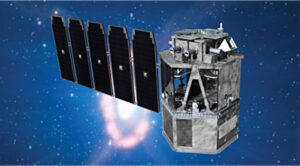
NASA will develop a gamma-ray telescope intended to study the formation of chemical elements in the galaxy as its next small astrophysics mission.
Investigations of U.S. Space Command’s basing decision to continue into 2022
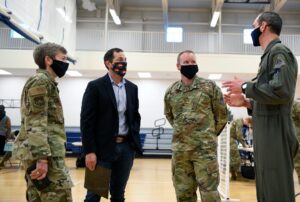
The Government Accountability Office and the Defense Department’s inspector general are still months away from completing their investigations of the decision to relocate U.S. Space Command from Colorado Springs to Huntsville, Alabama.
Polish Armed Forces enlist industry consortium for imaging nanosatellites
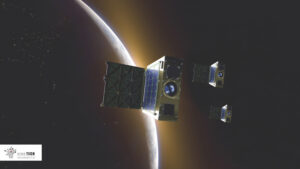
Under the recently launched Polish Imaging Satellites (PIAST) project, a consortium formed by local space industry players will develop three nanosatellites to be operated by the country’s armed forces and placed into orbit in 2024.
The October Council edition of ESA Impact is online

ESA Impact October Council edition
Great images and videos of climate change on view, BepiColombo flies by Mercury, Cheops gets a surprise, and more
To watch a comet form, a spacecraft could tag along for a journey toward the sun
 Deep in the solar system, between Jupiter and Neptune, lurk thousands of small chunks of ice and rock. Occasionally, one of them will bump into Jupiter's orbit, get caught and flung into the inner solar system-towards the sun, and us.
This is thought to be the source of many of the comets that eventually pass Earth. A new study lays out the dynamics of this little-understood system. Among
Deep in the solar system, between Jupiter and Neptune, lurk thousands of small chunks of ice and rock. Occasionally, one of them will bump into Jupiter's orbit, get caught and flung into the inner solar system-towards the sun, and us.
This is thought to be the source of many of the comets that eventually pass Earth. A new study lays out the dynamics of this little-understood system. Among China describes hypersonic test as a space vehicle trial
 The Financial Times earlier reported that the test of the alleged hypersonic glider vehicle by China this summer "caught the US government by surprise" as it purportedly demonstrated the great progress achieved by Beijing in this area.
China did not carry out a test of hypersonic weapons, but instead carried out a trial of a spacecraft, Chinese Foreign Ministry spokesman Zhao Lijian has st
The Financial Times earlier reported that the test of the alleged hypersonic glider vehicle by China this summer "caught the US government by surprise" as it purportedly demonstrated the great progress achieved by Beijing in this area.
China did not carry out a test of hypersonic weapons, but instead carried out a trial of a spacecraft, Chinese Foreign Ministry spokesman Zhao Lijian has st Over half OneWeb constellation now deployed
 Arianespace has successfully performed Soyuz Flight ST36. This latest launch for OneWeb's placed 36 more satellites into orbit. ST36 represents an important step in OneWeb and Arianespace's partnership: the operator now has more than half, 358 satellites, of its constellation on orbit.
Performed on Thursday, October 14 at precisely 6:40 pm. local time at Russia's Vostochny Cosmodrome (9:40
Arianespace has successfully performed Soyuz Flight ST36. This latest launch for OneWeb's placed 36 more satellites into orbit. ST36 represents an important step in OneWeb and Arianespace's partnership: the operator now has more than half, 358 satellites, of its constellation on orbit.
Performed on Thursday, October 14 at precisely 6:40 pm. local time at Russia's Vostochny Cosmodrome (9:40