

Could there be life on Jupiter's moons?
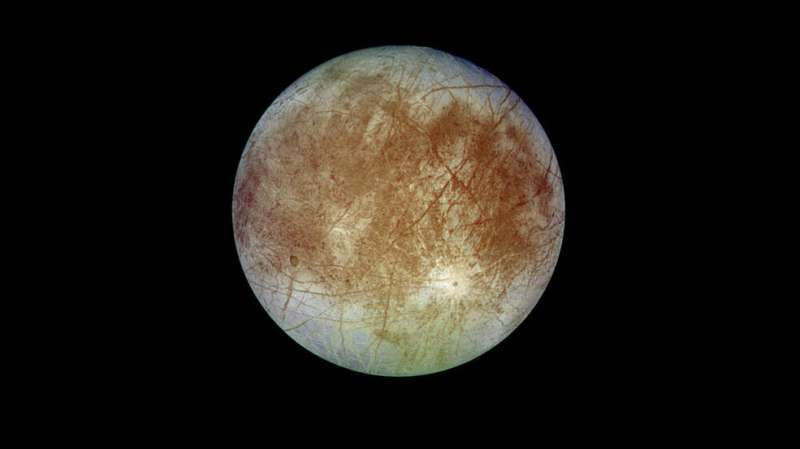
The search for life outside of Earth has taken many forms. Mars, our neighbouring world, looks like it was once habitable. Perhaps too Venus, despite its current hellish conditions. But in recent years, scientists' gazes have been drawn elsewhere. What about the moons of Jupiter?
Three of Jupiter's four largest moons are icy, and in 1998 NASA's Galileo spacecraft detected tantalising hints of an ocean beneath one, Europa. Since then, further studies have detected signs of water plumes possibly erupting from this ocean.
How do you become an astronaut? Just ask Playmobil’s ROBert…
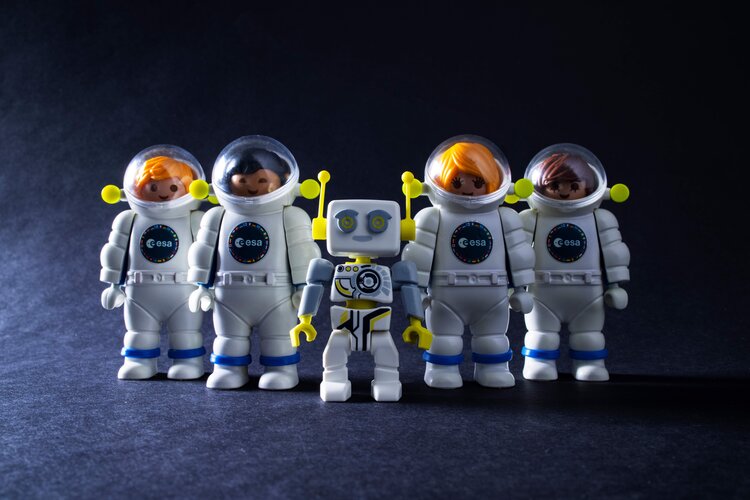
In a series of exciting video stories featuring the Playmobil toy system, the ever-knowledgeable robot host ROBert is assisted by ESA astronaut Luca Parmitano to explain how you can become an astronaut and what it’s like to live in space.
Air pollution returning to pre-COVID levels
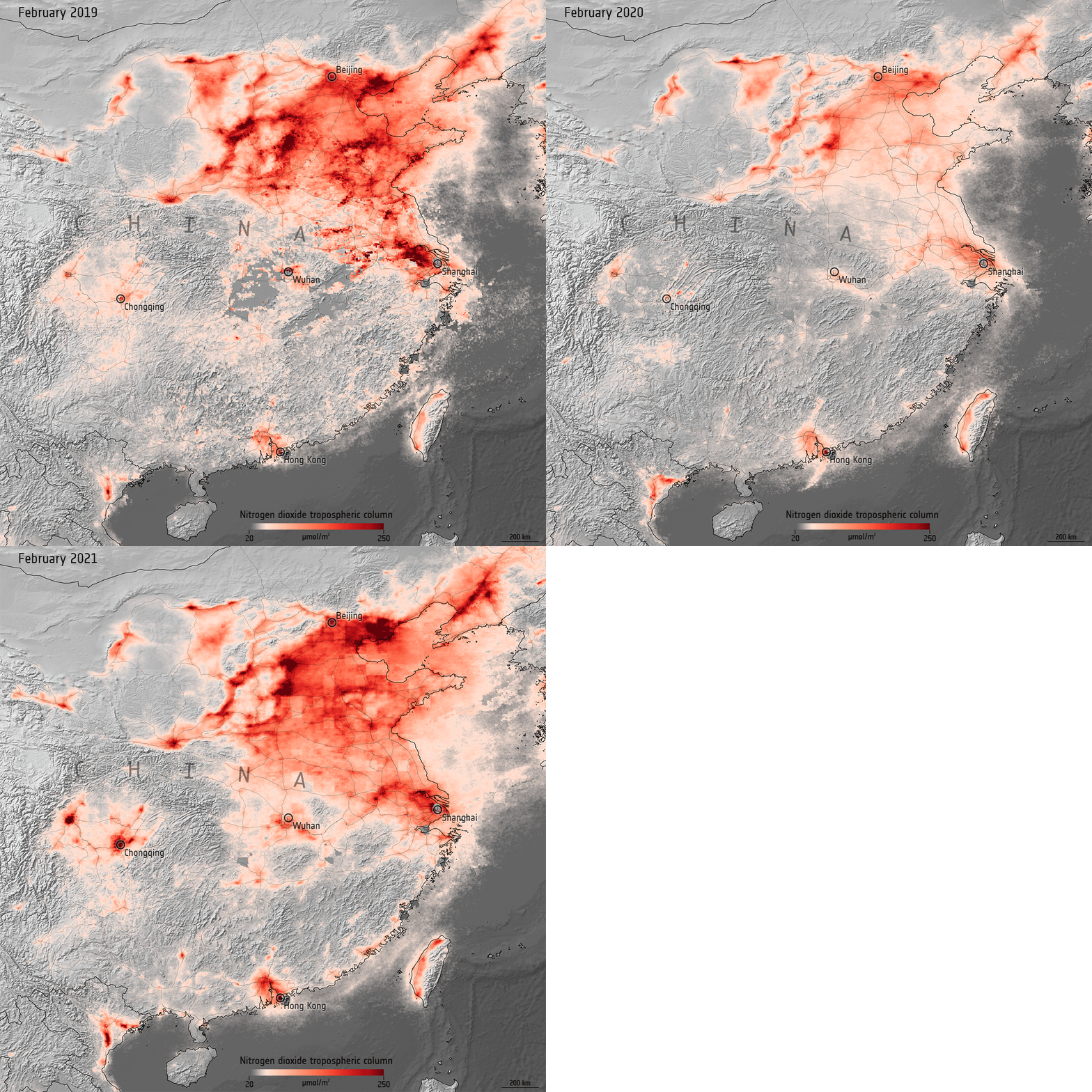
In early 2020, data from satellites were used to show a decline in air pollution coinciding with nationwide lockdowns put in place to stop the spread of COVID-19. One year later, as lockdown restrictions loosen in some countries and regular activity resumes, nitrogen dioxide levels are bouncing back to pre-COVID levels.
Veteran scientist Stefanie Tompkins takes the helm at DARPA

WASHINGTON — Stefanie Tompkins on March 15 assumed the top post at the Defense Advanced Research Projects Agency.
Tompkins is DARPA’s 23rd director.
She is a former military intelligence officer in the U.S.
Air Force enlists Viasat to help integrate commercial and military satellite networks

WASHINGTON — The incompatibilities between government and commercial satellite networks have been a nagging problem the U.S. Air Force spent years trying to solve.
In an effort to come up with solutions, the Air Force Research Laboratory signed a seven-year $50.8 million contract last month with the global satellite communications company Viasat.
How Speedcast is navigating the perfect storm: Q&A with CEO Joe Spytek

Speedcast is emerging from bankruptcy into a very different satellite communications market.
Bankruptcies, acquisitions and an ongoing pandemic are continuing to reshape an industry in the midst of major technological and financial disruption.
But while COVID-19 disproportionally drags on verticals such as energy, maritime and aero — helping push satcom players like Speedcast, Intelsat and Global Eagle Entertainment into restructuring — it is also accelerating digitalization trends that promise new opportunities for connectivity providers that can ride out the storm.
Relativity Space wins U.S. military contract for 2023 launch
WASHINGTON — Relativity Space was selected to launch a small U.S. military payload to orbit in 2023 using a 3D-printed rocket.
The company in a statement March 15 said it received its first Defense Department contract to launch a DoD Space Test Program mission.
US astronaut launching next month may spend year in space

With SpaceX partnership, ISS enters its 'Golden Age'—but what comes next?
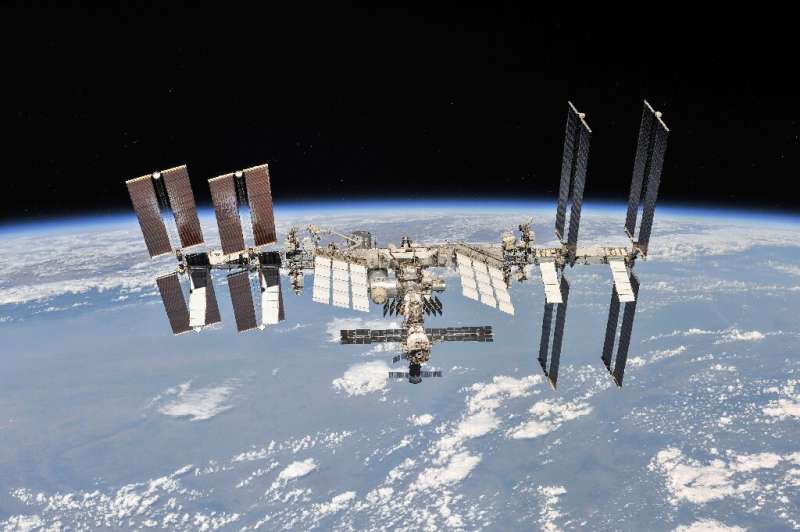
After 20 years of continuous habitation, the International Space Station has entered its "Golden Age" and is abuzz with activity—thanks in large part to the return of US rocket launches via commercial partner SpaceX.
But though the near- future of this symbol of post-Cold War cooperation is assured, NASA wants to begin disengaging by the end of the decade, leaving a gap that the private sector and China hope to fill.
Image: Lomonosov crater on Mars
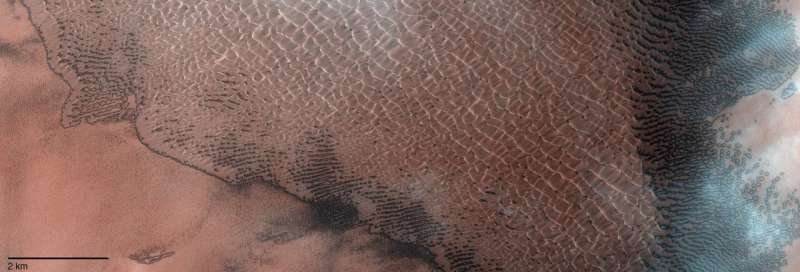
At first glance this captivating scene peering through wispy clouds and down onto a dune field is reminiscent of a satellite view of one of Earth's deserts, but this is in fact a beautiful landscape on Mars.
This spectacular dune field sits in the center of Lomonosov crater, deep in the northern hemisphere of Mars (65ºN, 351ºE). It was imaged by the CaSSIS camera on the ESA-Roscosmos ExoMars Trace Gas Orbiter (TGO) on 2 December, 2020. The image was taken as part of a campaign to track the evolution of the dune field throughout the year.
At this time, northern winter was coming to an end on Mars and the frost over these areas had begun to sublimate. The darker spots indicate areas where frost has sublimated and the darker basaltic sand is visible. The crests of the dunes indicate the average wind direction, in this case, the wind comes predominantly from the bottom left to the top right of the image. To the right, darker, more basaltic rich and frost-free sediments are visible. It is also in the right of the image that bright white clouds stand out against the darker sediments on the ground.


