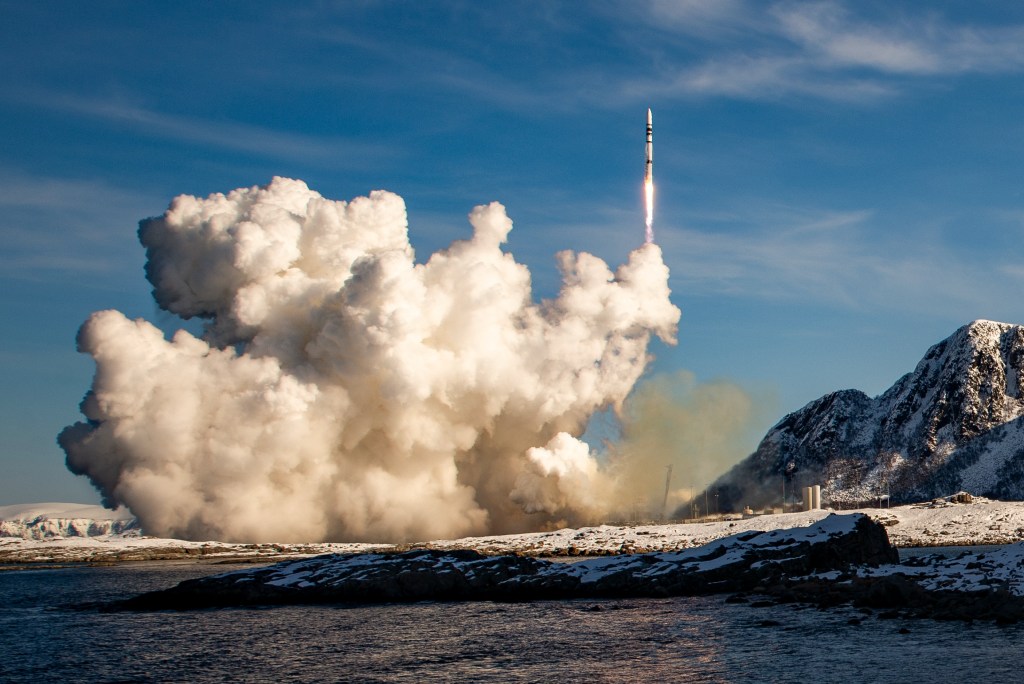
Aerospacelab to build debris-tracking satellite for Vyoma


NASA cancels spacewalk at ISS over 'spacesuit discomfort issue'
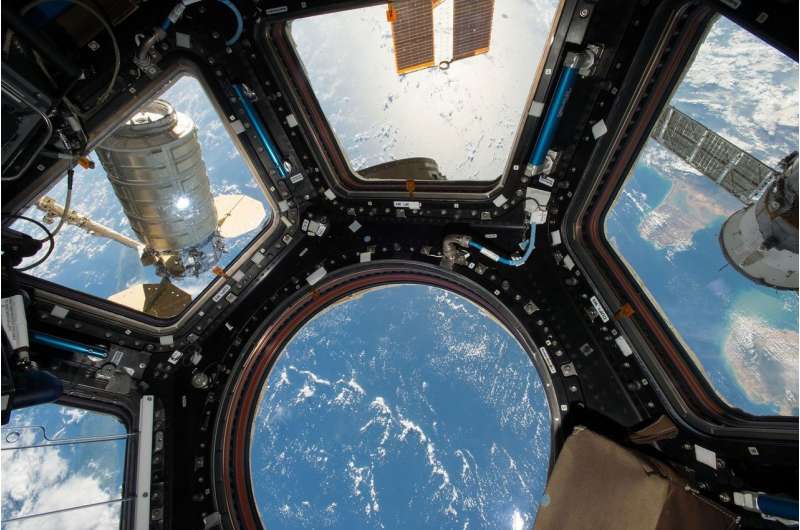
A spacewalk scheduled for two astronauts outside the International Space Station was canceled by NASA about an hour before it was to begin Thursday morning.
"The spacewalk today, June 13, at the International Space Station did not proceed as scheduled due to a spacesuit discomfort issue," NASA said on its blog. No other details were immediately given.
"The spacewalk today, June 13, with NASA astronauts Tracy C. Dyson and Matt Dominick at the International Space Station will not be proceeding as scheduled," NASA said.
NASA said Tracy C. Dyson and Matt Dominick, the astronauts scheduled for the space walk, started taking off their spacesuits at approximately 7:25 am EDT, about an hour before the crew was anticipated to exit the ISS through an airlock.
Dyson and Dominick's spacewalk was supposed to include station maintenance and science work.
In announcing the spacewalk, NASA said two astronauts would remove some communications equipment from one of the ISS's laboratory modules with assistance from a robotic arm on the station. Dyson and Dominick were also going to swab surfaces on the ISS to "determine if microorganisms released through station vents can survive the external microgravity environment.
New approach could take space missions to new heights
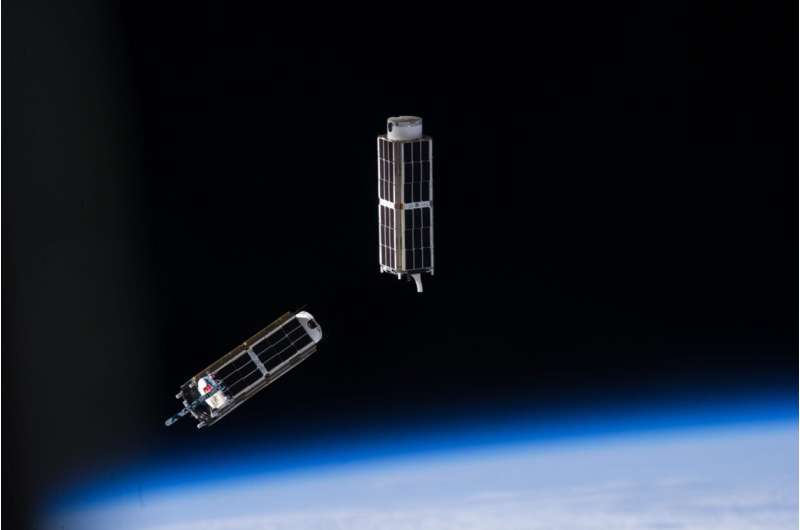
New Curtin University research could change how space missions are conducted and lead to improvements in industries as diverse as environmental management, agriculture, disaster management and infrastructure inspection.
A team from Curtin's School of Earth and Planetary Sciences has developed a breakthrough in operating and monitoring small satellites, known as CubeSats.
The project saw new algorithms created to use links between satellites to precisely determine a CubeSat's position, whether flying individually or in formation.
Project lead Professor Ahmed El-Mowafy said the new approach overcomes many of the constraints faced when using CubeSats, such as their small size and changes in aerodynamic forces affecting their orbits.
"These new methods mean CubeSats can now operate more independently, without the need for constant human control," Professor El-Mowafy said.
"When human control is needed, the CubeSats are simpler to manage and can be guided and controlled in real time—making them far more efficient to use in space missions.
"We can now operate them and be precise down to a few centimeters, which is a huge improvement on the previous accuracy level of several meters.


Blue Origin, SpaceX, ULA win $5.6 billion in Pentagon launch contracts


SIA reports more record growth for the global commercial satellite industry


House Appropriations Committee pares back Space Force budget request


Earth from Space: Heel of Italy
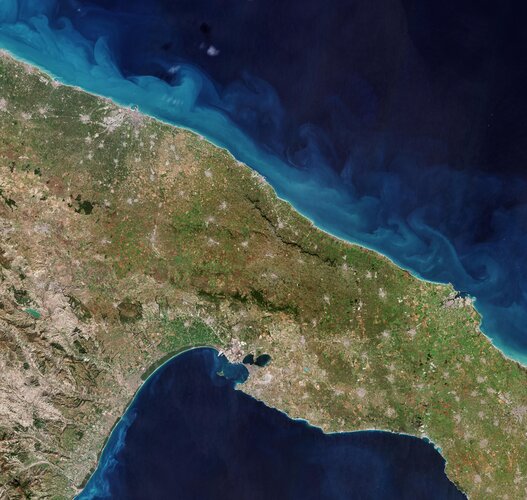 Image:
The Copernicus Sentinel-2 mission takes us over a section of Italy’s heel in the southern part of the boot-shaped peninsula.
Image:
The Copernicus Sentinel-2 mission takes us over a section of Italy’s heel in the southern part of the boot-shaped peninsula. Ariane 6 first flight tracking infographic
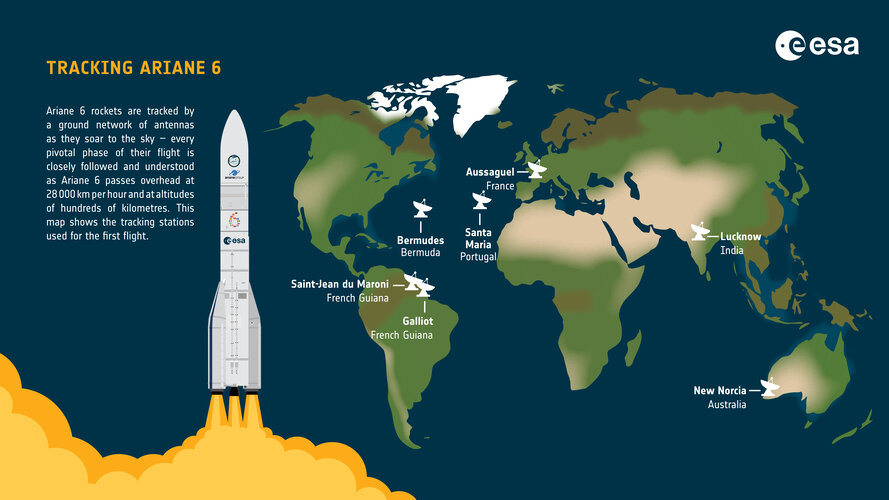 Image:
Ariane 6 first flight tracking infographic
Image:
Ariane 6 first flight tracking infographic