

NASA completes key step in aviation safety research
 NASA's aeronautical innovators have completed a significant step in their pursuit of safer, more efficient aviation technologies that spot hazards before they occur. Through its System-Wide Safety project, NASA and its partners in government, industry, and academia are exploring new technologies and techniques to improve current aviation safety and potentially enable widespread use of new types
 Dinosaurs likely brought down by dust, not asteroid, researchers say
 A new study suggests that a prolonged dust cloud may have played a larger role than previously thought in the extinction of dinosaurs approximately 66 million years ago.
A study published in Nature Geoscience on Monday suggests that finely ground dust, resulting from the impact of The Chicxulub asteroid, which was ejected into Earth's atmosphere, may have had a more substantial impact t
A new study suggests that a prolonged dust cloud may have played a larger role than previously thought in the extinction of dinosaurs approximately 66 million years ago.
A study published in Nature Geoscience on Monday suggests that finely ground dust, resulting from the impact of The Chicxulub asteroid, which was ejected into Earth's atmosphere, may have had a more substantial impact t 

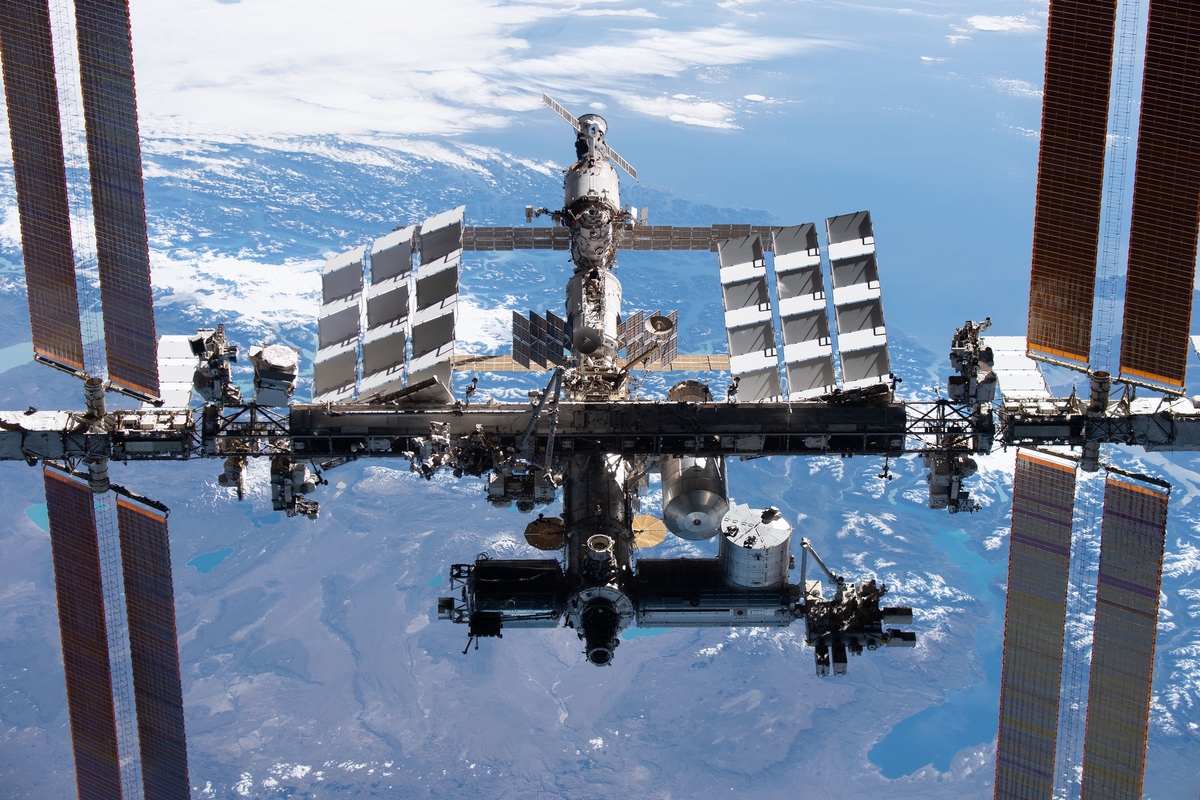
Week in images: 30 October - 03 November 2023
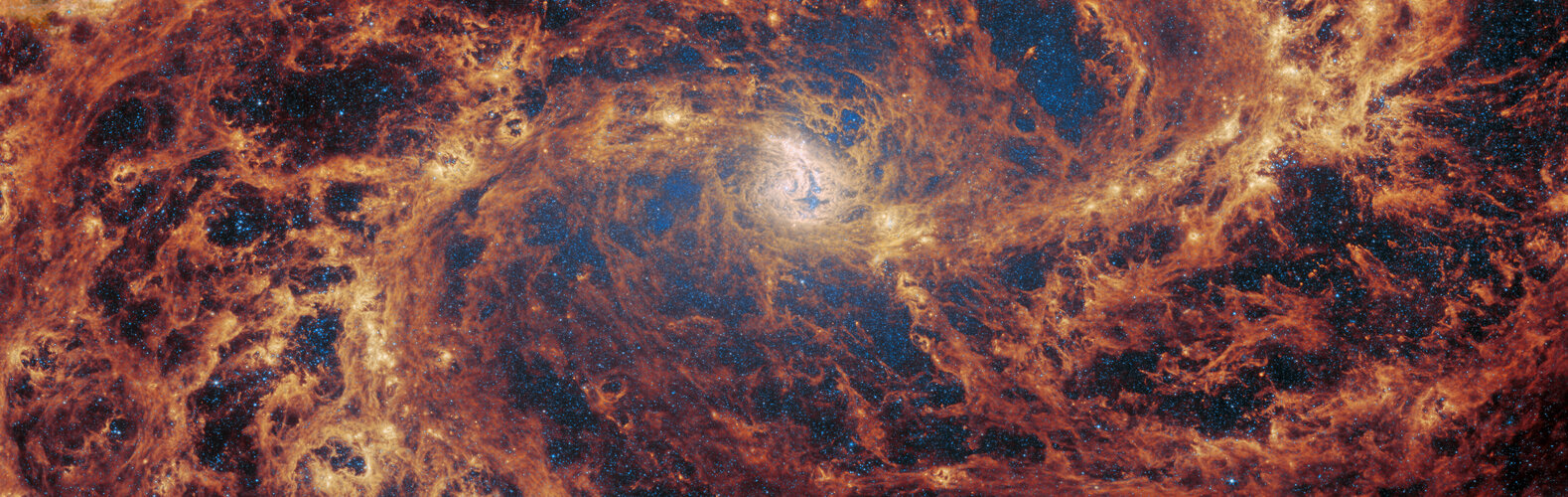
Week in images: 30 October - 03 November 2023
Discover our week through the lens
Applications open for the Technology Transfer, Application & Innovation Workshop 2024
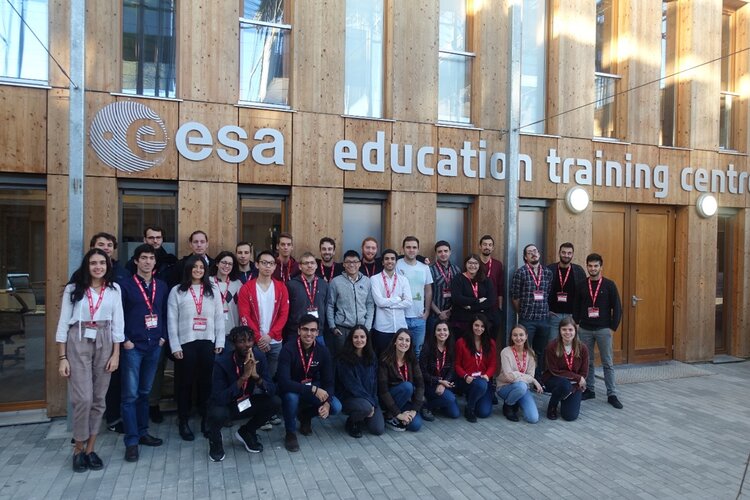
Are you a highly motivated university student in engineering, science, sociology, industrial design or business administration with a keen interest in technology and innovation? The ESA Education Office is looking for university students to participate in the third edition of the ESA Academy’s Technology Transfer, Application & Innovation Workshop. Developed in close collaboration with the ESA Commercialisation Department, the workshop will be held this year at the ESA Academy’s Training & Learning Facility in ESEC-Galaxia, Transinne, Belgium, from 23 to 26 January 2024.
Revealing the Startup of the Year finalists for the SpaceNews 2023 Icon Awards

Video: Preparing for Euclid's first images, from puzzling data to dazzling views
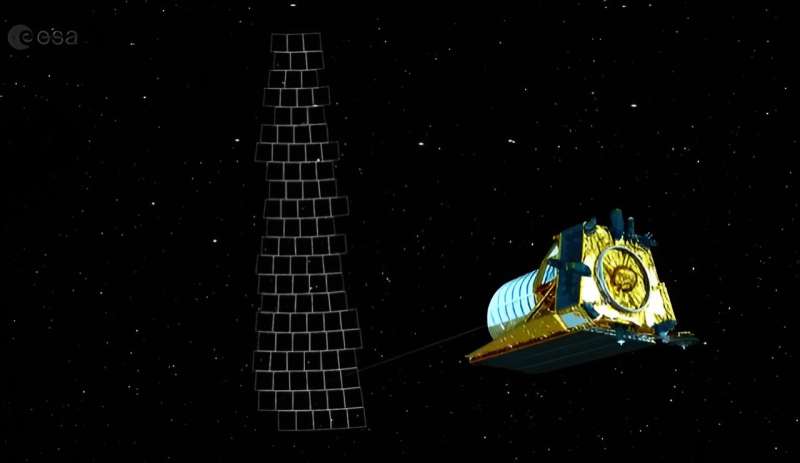
Never before has a telescope been able to create such razor-sharp astronomical images across such a large patch of the sky.
On Tuesday 7 November, ESA will release the first full-color images captured by its recently launched Euclid space telescope. These images form part of the mission's "Early Release Observations"—where Euclid was tasked with scrutinizing a set of celestial targets chosen for their public appeal and scientific value.
The five images are full of cosmic secrets waiting to be revealed. And this is just the beginning. During its six-year mission, Euclid will generate the equivalent of a million DVDs of data. These data will be used to create the biggest ever 3D map of the universe and uncover the secrets of dark matter and dark energy.
In this video, hear from the experts about how Euclid has reached this milestone. Discover how they felt when they saw the first images, and find out what these images will reveal about the cosmos.
NASA Goddard's 'spiky' antenna chamber: Signaling success for 50 years
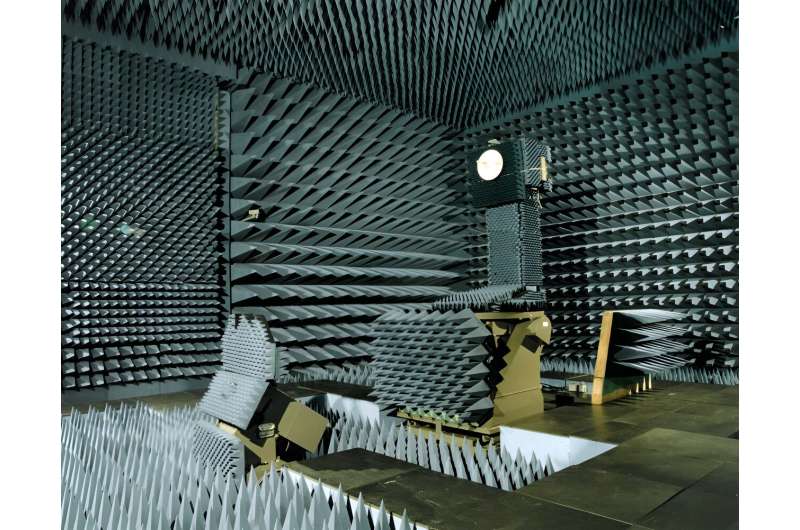
On any given day, NASA's networks may communicate with more than 100 space missions. Whether the mission keeps the lines of communication open with orbiting astronauts or peers deep into the cosmos, those dozens of satellites all have one thing in common: each needs an antenna. Without one, NASA missions and their discoveries simply would not be possible.
To ensure those antennas are up to the challenges of spaceflight, for most that means rigorous testing on the ground in a simulated space environment. The Goddard ElectroMagnetic Anechoic Chamber (GEMAC) at NASA's Goddard Space Flight Center in Greenbelt, Maryland, has been an integral antenna proving ground for more than 50 years.
ESA's Hera mission is bringing two CubeSats along. They'll be landing on Dimorphos
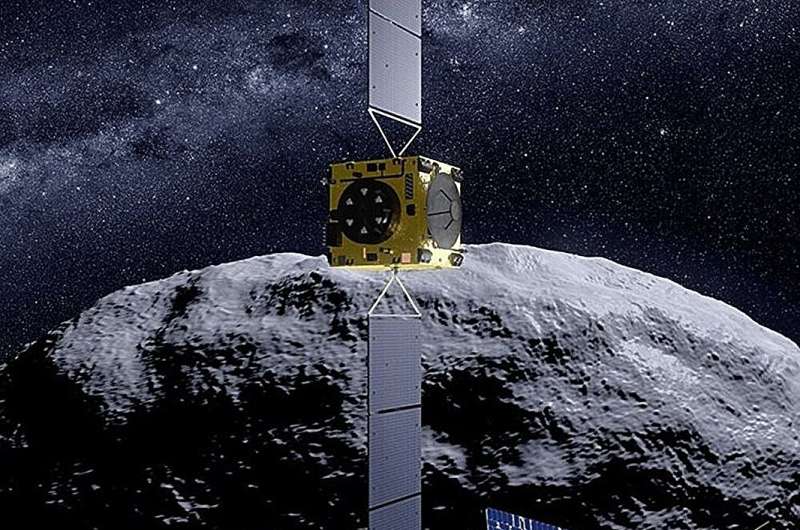
In about one year from now, the European Space Agency will launch its Hera mission. Its destination is the asteroid Didymos, and it'll be the second human spacecraft to visit the 390-meter chunk of rock. NASA's DART mission crashed a kinetic impactor into Didymos' tiny moonlet Dimorphos as a test of planetary defense.
Hera will perform a follow-up investigation of the binary asteroid to measure the size and morphology of the impact crater on Dimorphos. To help it along, it's taking two tiny CubeSats that will land on Dimorphos.
It might seem strange that two tiny satellites will perform landings on an asteroid. But Hera is designed to fulfill different goals. First of all, it's part of the ESA's Planetary Defense program.


