Chinese startup launches 7th Ceres-1 rocket, preps for first sea launch

Galactic Energy achieved its seventh launch success from seven attempts early Thursday and is now set for a first sea-based mission.
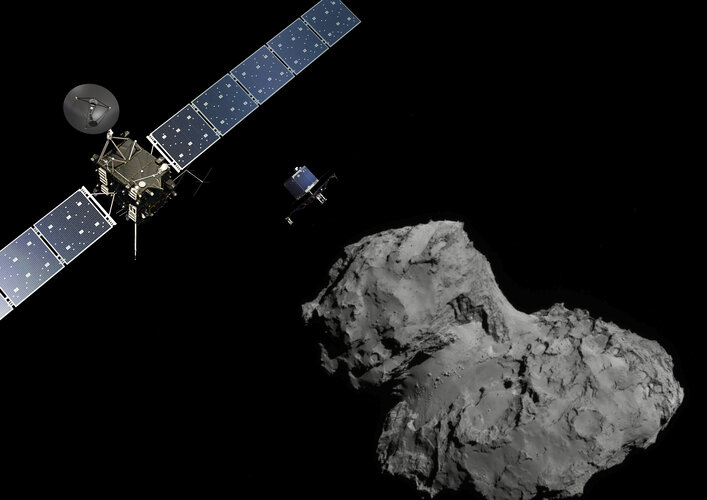
Solar System fingerprints found in memories of ESA flotilla
To the Moon, together
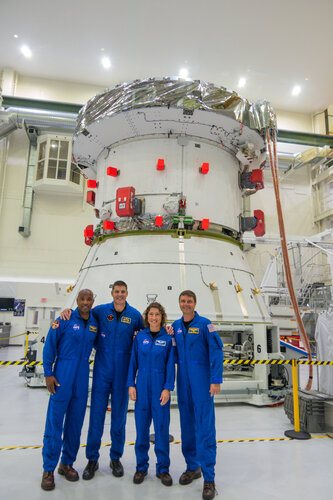 Image:
The Artemis II astronauts, set to launch on a trip around the Moon next year, stand in front of the Orion spacecraft’s European Service Module-2 (ESM-2) that will provide everything they need to thrive on their voyage to Earth’s natural satellite.
From left, the skilled crew is composed of NASA’s Victor Glover, Canadian Space Agency’s Jeremy Hansen, and NASA’s Christina Koch and Reid Wiseman. Their collective experience underscores the collaborative essence of space exploration, as they prepare for the challenges of deep space travel and return.
The European Service Module-2 will provide crucial life support and necessary resources – water, air,
ESA’s Space Environment Report 2023
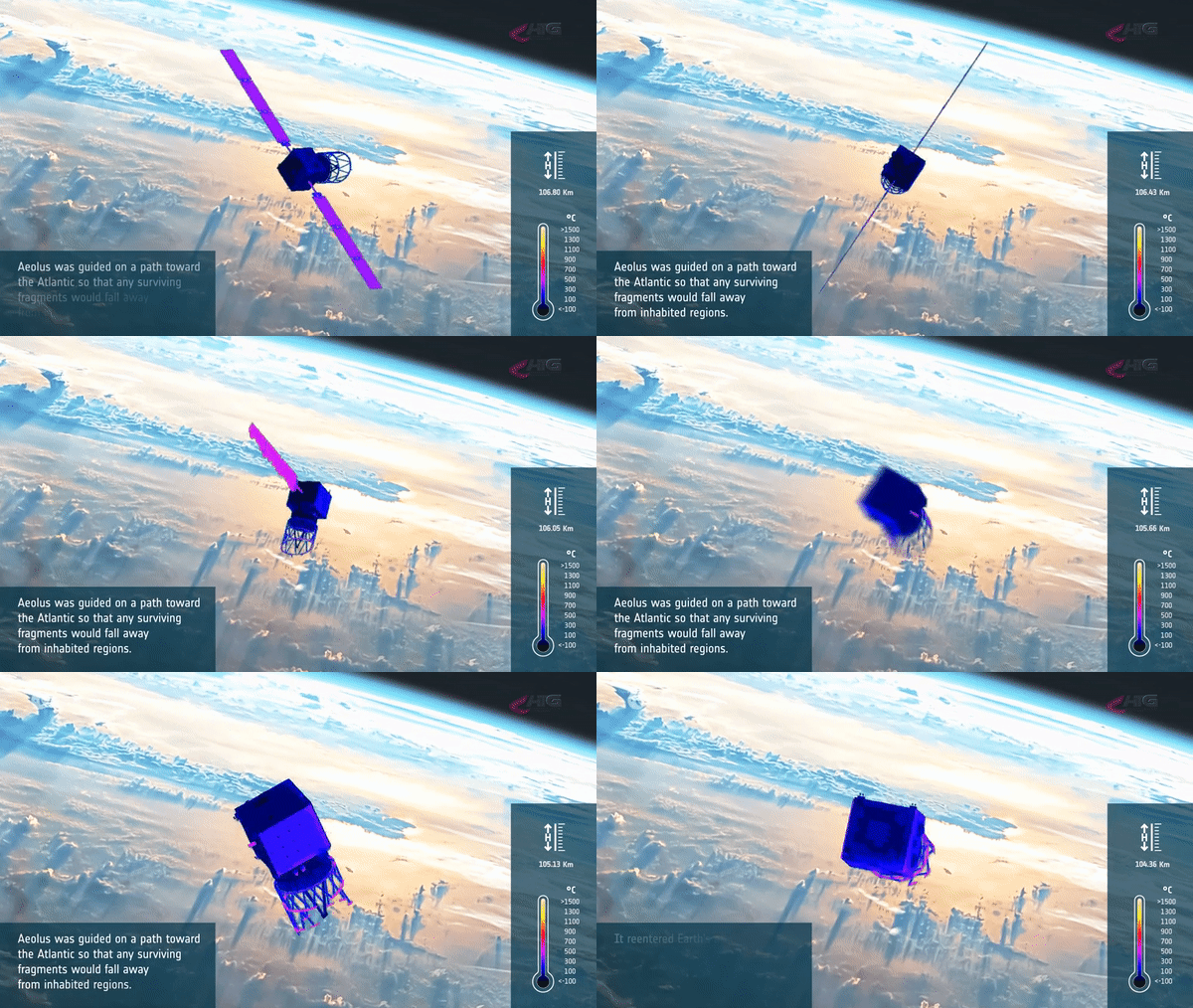
An overview of ESA's Space Environment Report 2023
Take a journey around ESA’s sites
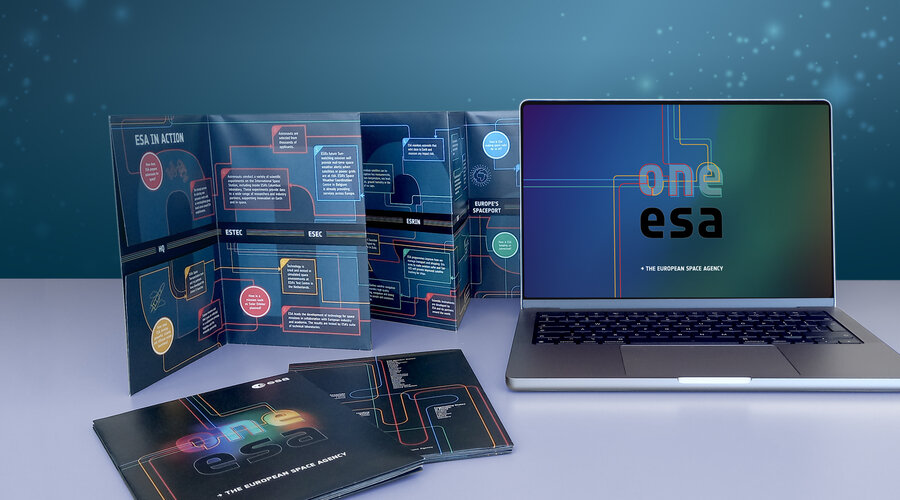
Take a journey around ESA’s sites
One ESA: a journey through Europe's space program
Op-ed | SPACs are a double-edged sword for newspace

While special purpose acquisition companies (SPACs) hold the potential to drive space industry growth, it is crucial to understand their potential risks.
Space Force tries to hedge risk with new launch strategy

As it prepares to award the next round of National Security Space Launch contracts, the Space Force is no longer comfortable relying on just two companies.
Download your Thursday ‘News from the 2023 Small Satellite show’ digital edition

The SpaceNews editorial team is producing a daily for the 2023 Small Satellite show, a nightly email newsletter and all-day web coverage during the 2023 Small Satellite show in Logan, Utah, the […]
Course correction keeps Parker Solar Probe on track for Venus flyby
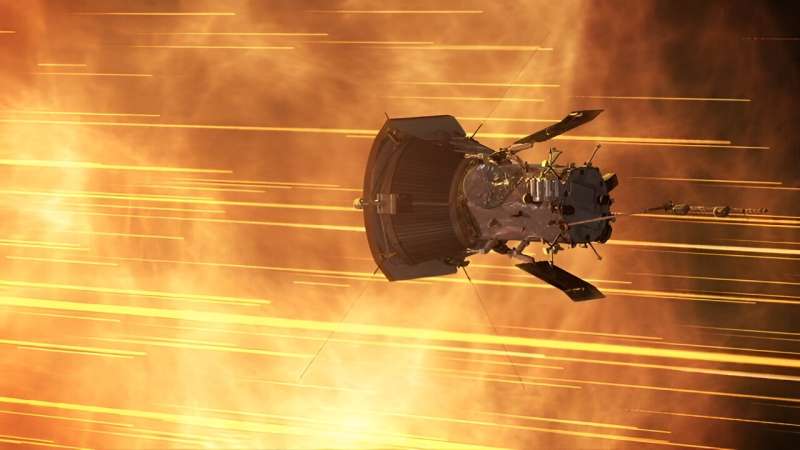
NASA's Parker Solar Probe executed a short maneuver on Aug. 3, 2023, that kept the spacecraft on track to hit the aim point for the mission's sixth Venus flyby on Monday, Aug. 21, 2023.
Operating on preprogrammed commands from mission control at the Johns Hopkins Applied Physics Laboratory (APL) in Laurel, Maryland, Parker fired its small thrusters for 4.5 seconds, enough to adjust its trajectory by 77 miles and speed up—by 1.4 seconds—its closest approach to Venus. The precise timing and position are critical to that flyby, the sixth of seven approaches in which Parker uses the planet's gravity to tighten its orbit around the sun.
"Parker's velocity is about 8.7 miles per second, so in terms of changing the spacecraft's speed and direction, this trajectory correction maneuver may seem insignificant," said Yanping Guo, mission design and navigation manager at APL.
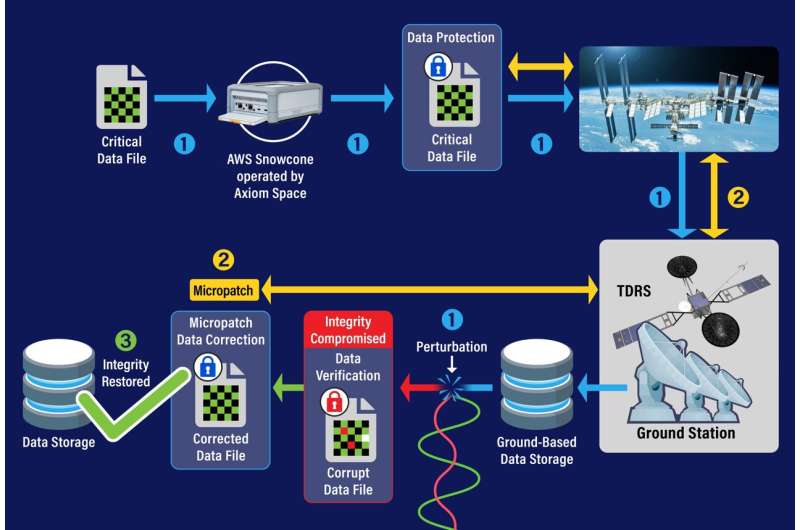
Micropatch algorithm improves ground-to-spacecraft software update efficiency