

Stuttgart students launch self-built rocket into space
 The Hybrid Engine Development (HyEnD) student team at the University of Stuttgart spent around three years developing, manufacturing, and testing its hybrid rocket. In mid-April, the rocket will be launched into space from the Esrange rocket launch site near Kiruna in Sweden. If all goes well, the students will set a new world altitude record for student-built rockets.
The hybrid rocket is
The Hybrid Engine Development (HyEnD) student team at the University of Stuttgart spent around three years developing, manufacturing, and testing its hybrid rocket. In mid-April, the rocket will be launched into space from the Esrange rocket launch site near Kiruna in Sweden. If all goes well, the students will set a new world altitude record for student-built rockets.
The hybrid rocket is Calnetix Technologies' high-speed blower system installed on ISS
 Calnetix Technologies has announced that their Four Bed Carbon Dioxide Scrubber (FBCO2) high-speed blower system was successfully installed by NASA on the International Space Station (ISS). The magnetically levitated blower system is providing the airflow for the FBCO2 system in a microgravity space environment and has been operating continuously since February 22nd.
"Having our first magn
Calnetix Technologies has announced that their Four Bed Carbon Dioxide Scrubber (FBCO2) high-speed blower system was successfully installed by NASA on the International Space Station (ISS). The magnetically levitated blower system is providing the airflow for the FBCO2 system in a microgravity space environment and has been operating continuously since February 22nd.
"Having our first magn NASA warns of near-term cost growth on Mars Sample Return

NASA’s effort to return samples from Mars could require $250 million more than currently planned over the next two years, putting more pressure on the agency’s overall science portfolio.
Space Forge reveals plans for U.S. manufacturing

Space Forge announced plans April 19 to expand its U.S. presence to include manufacturing.
The post Space Forge reveals plans for U.S.
Clouds for your eclipse? NASA experiment will fly kite to rise above
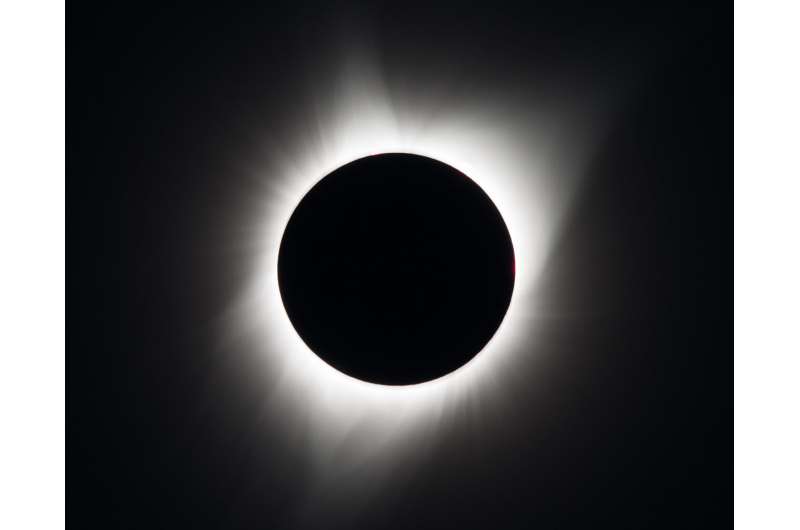
Imagine you traveled thousands of miles to see a total solar eclipse, but as the Moon began moving in front of the Sun, the sky grows cloudy, blocking your view of the unique celestial spectacle.
That's what happened to University of Hawaii astronomer Shadia Habbal—several times.
After traveling all the way to Antarctica on her latest expedition to study the inner part of the Sun's outer atmosphere—the corona—Habbal was met with clouds once again.
Smooth sailing, Euclid

The Euclid satellite embarked on the next leg of the 1.5 million km long journey to space from where it will unlock the mysteries of the dark Universe.
How much water do we use for irrigation?
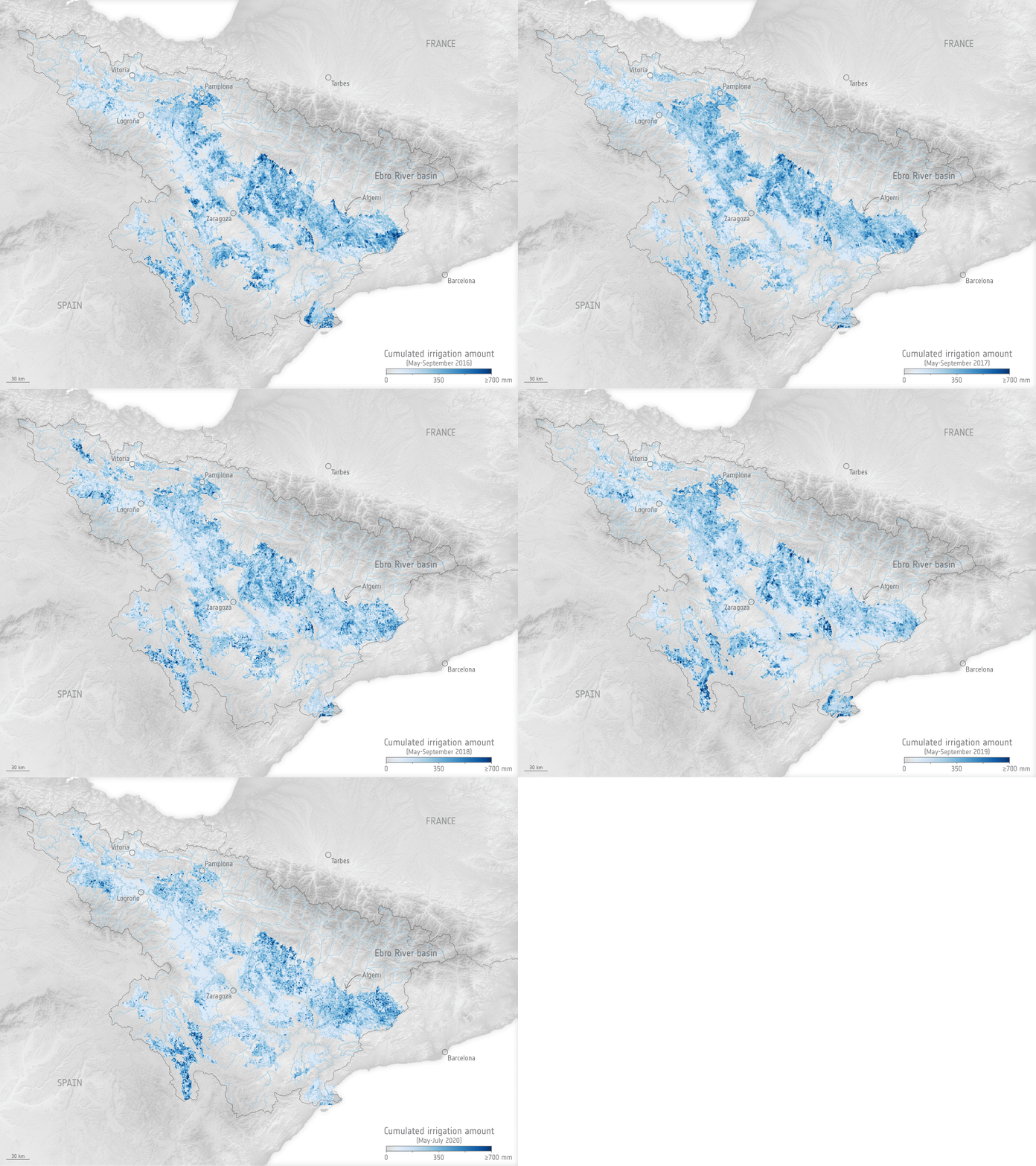
While we know that we use more water for irrigation than for any other single purpose, watering practices are not monitored worldwide. Water needed for agriculture is expected to further increase as time goes on, so managing this precious resource as effectively as possible is imperative. Scientists have now shown that a nifty way of using information from satellites could pave the way to measuring how much water we use to irrigate, which could subsequently lead to better management.
Ukraine’s lessons for military space

Ongoing fighting in Ukraine continues to underscore the importance of combining military, civil and commercial space capabilities.
The post Ukraine’s lessons for military space appeared first on SpaceNews.
Aerospace CEO: More startups seek DoD work amid cash crunch

Aerospace Corp.’s commercial space office, established to facilitate connections between startups and government technology buyers, is seeing a surge in activity.
Rocket Lab to refly Electron engine

Rocket Lab will use a previously flown engine on an upcoming Electron launch as the company moves closer to reusing the rocket’s entire first stage.


