

Sierra Space and ILC Dover partner on inflatable modules and spacesuits

Sierra Space and ILC Dover announced April 18 they will cooperate on the development of inflatable space station modules and spacesuits.
U.S. SPACECOM tries to satisfy global military demand for satellite services

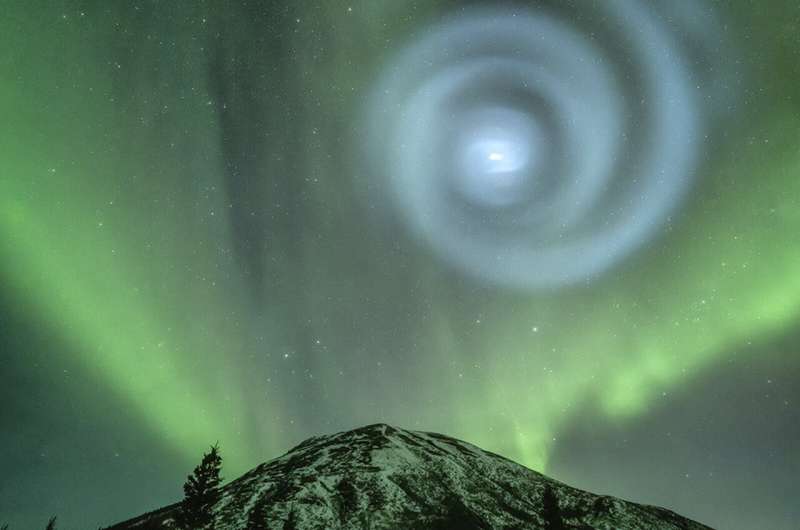
Rocket science: Alaska sky spiral caused by SpaceX fuel dump
Team builds and tests calibrator for NASA's Nancy Grace Roman Space Telescope in record time
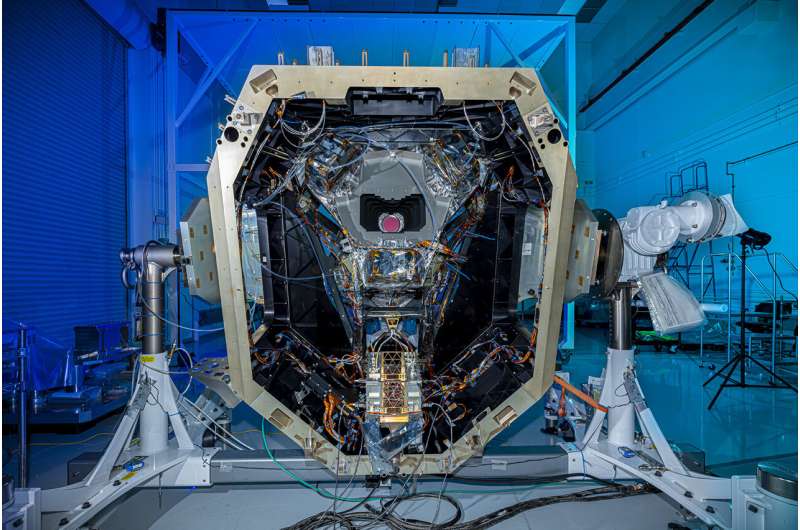
A vital subsystem for NASA's Nancy Grace Roman Space Telescope was recently delivered to Ball Aerospace in Boulder, Colorado, and installed in the spacecraft's Wide Field Instrument (WFI). Called the Simplified Relative Calibration System (sRCS), this component will allow astronomers to measure the total light output of cosmic objects like galaxies and supernovae with extreme accuracy. When Roman launches by May 2027, scientists will use this data to unravel the secrets of dark energy and dark matter, discover exoplanets, and explore many topics in infrared astrophysics.
"Without this calibration tool, we wouldn't be able to gather accurate enough measurements to achieve the next-level science Roman is designed to do," said Joshua Schlieder, a research astrophysicist at NASA's Goddard Space Flight Center in Greenbelt, Maryland.
NASA shares first moon to Mars architecture concept review results
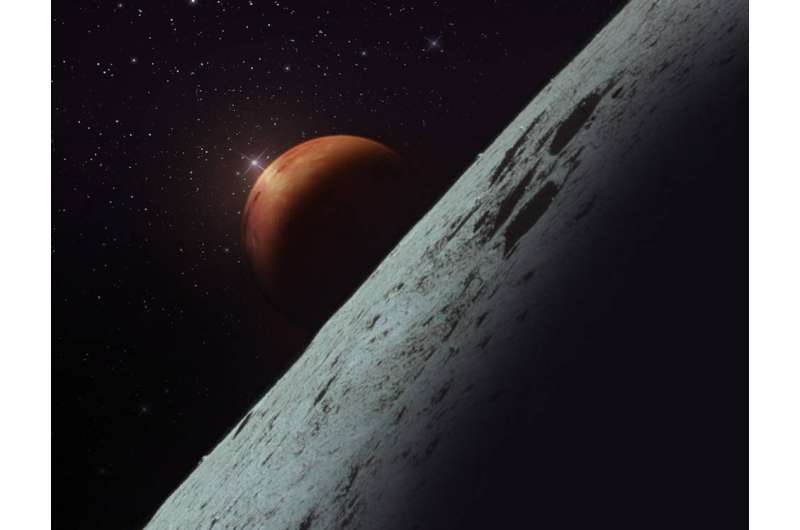
As NASA builds a blueprint for human exploration throughout the solar system for the benefit of humanity, the agency released Tuesday the outcomes from its first Architecture Concept Review, a robust analysis process designed to align NASA's moon to Mars exploration strategy and codify the supporting architecture.
"Our first Architecture Concept Review is a milestone that will help our moon to Mars strategy unfold through the objectives in missions both near and long term," said NASA Deputy Administrator Pam Melroy. "We're aligned with partners toward a future of expanded economic opportunity, scientific discovery, and greater activity on and around the moon, and with limitless possibilities deeper in the solar system."
NASA's Architecture Definition Document written for highly technical audiences, and an associated executive summary, provide a deep dive into NASA's moon to Mars architecture approach and development process. Six supporting white papers also released address frequently discussed exploration architecture topics.
"NASA now has a goal-based foundation upon which to build our current and future exploration plans," said Cathy Koerner, deputy associate administrator for the Exploration Systems Development Mission Directorate at NASA Headquarters in Washington.
Old NASA satellite falling to Earth, risk of danger 'low'
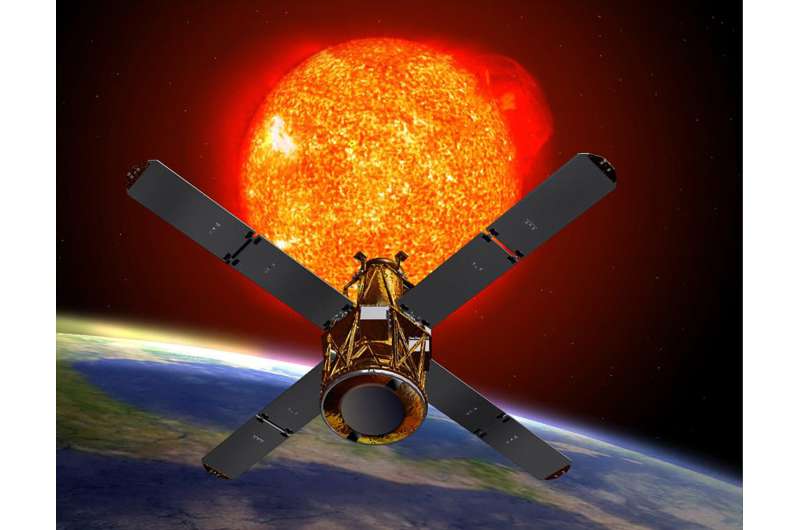
An old NASA satellite is expected to fall to Earth this week, but experts tracking the spacecraft say chances are low it will pose any danger.
Space Force in wait-and-see mode as ULA continues to investigate upper-stage anomaly

NRO seeks innovative electro-optics

The National Reconnaissance Office is casting a wide net in its latest bid for commercial Earth observation.
The post NRO seeks innovative electro-optics appeared first on SpaceNews.
Lower space company price tags pave the way to more acquisitions

A drop in space company valuations could open the door to more transactions in the industry, according to an April 17 Space Symposium panel on the outlook for deals, as long as they can navigate increasing regulatory scrutiny.
Will the Earth last forever
 Everything that has a beginning has an end. But the Earth will last for a very long time, and its end will come billions of years after anyone who is alive here now is gone.
Before we talk about the future of our planet, let's review its history and when life appeared on it. The history of human beings is very, very short compared with that of Earth.
b>4 billion years old br> /b>
O
Everything that has a beginning has an end. But the Earth will last for a very long time, and its end will come billions of years after anyone who is alive here now is gone.
Before we talk about the future of our planet, let's review its history and when life appeared on it. The history of human beings is very, very short compared with that of Earth.
b>4 billion years old br> /b>
O 


