Astronomers find 'gold standard' star in Milky Way
 In our sun's neighborhood of the Milky Way Galaxy is a relatively bright star, and in it, astronomers have been able to identify the widest range of elements in a star beyond our solar system yet.
The study, led by University of Michigan astronomer Ian Roederer, has identified 65 elements in the star, HD 222925. Forty-two of the elements identified are heavy elements that are listed along
In our sun's neighborhood of the Milky Way Galaxy is a relatively bright star, and in it, astronomers have been able to identify the widest range of elements in a star beyond our solar system yet.
The study, led by University of Michigan astronomer Ian Roederer, has identified 65 elements in the star, HD 222925. Forty-two of the elements identified are heavy elements that are listed along Telling sunset
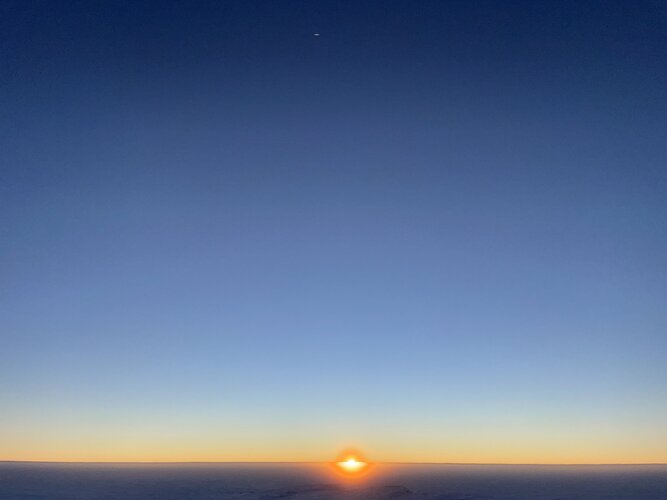 Image:
The penultimate sunset at Concordia research station in Antarctica marks the beginning of a very exciting time for the 12-member crew: the coming of Antarctic night and the winter-over.
ESA sponsored medical doctor Hannes Hagson and his crew mates are finally embarking on their ‘real’ mission in Antarctica: living and work in isolation for six months in the name of spaceflight research.
The Italian-French outpost Concordia is located 3233 m above sea level where temperatures can drop to –80°C in the complete frozen darkness outside. The sun disappears behind the horizon for four months. No supplies or people can be flown
As U.S. blames Russia for KA-SAT hack, Starlink sees growing threat
Elon Musk says Russian hackers are increasing efforts to take down SpaceX’s Starlink broadband service amid the war in Ukraine.
The post As U.S. blames Russia for KA-SAT hack, Starlink sees growing threat appeared first on SpaceNews.
Eight things you never knew about mining on Mars, the Moon, and even asteroids
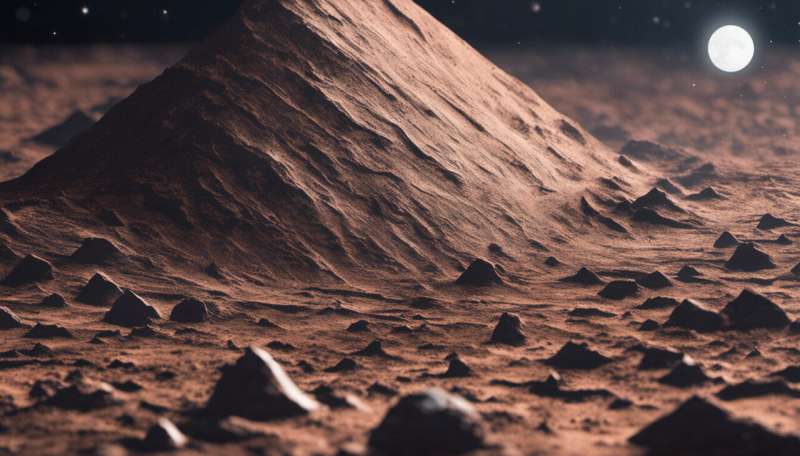
Off-earth mining may once have been purely the stuff of science fiction, but now it's potentially a US$1 trillion industry that is likely to be vital if humans are serious about colonizing Mars or the moon.
Sustaining life on other planetary bodies will almost certainly require the use of in-situ resources which currently remain untapped.
UNSW experts—Professor Andrew Dempster and Professor Serkan Saydam, the director and deputy director of the Australian Center for Space Engineering Research (ACSER)—say the challenges posed by mining such materials in space are enormous.
Robotics may be the answer, but even terrestrial mining systems are not yet fully autonomous, so new technologies will need to be developed.
Forward to the Moon: An interactive publication about our natural satellite!
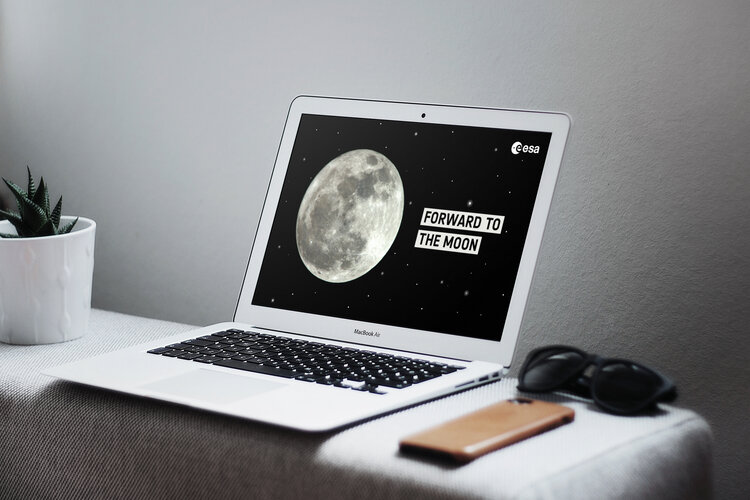
Forward to the Moon
This is an interactive publication about our natural satellite
Manchin introduces bipartisan bill to establish Space National Guard
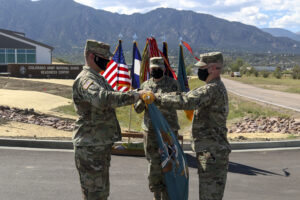
Senator Joe Manchin (D-WV) on May 12 introduced legislation to create a National Guard for the U.S. Space Force.
The post Manchin introduces bipartisan bill to establish Space National Guard appeared first on SpaceNews.
Op-ed | U.S. Antisatellite Test Ban Reveals a New Approach for Security and Sustainability in Space
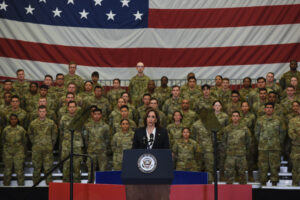
Vice President Harris’s ASAT test ban, specifically designed to address the concerns of hawks and doves alike, suggests a new approach to space security and sustainability.
The post Op-ed | U.S.
Yup, Earth is still there: GOES-18 goes online, sends 1st image of planet
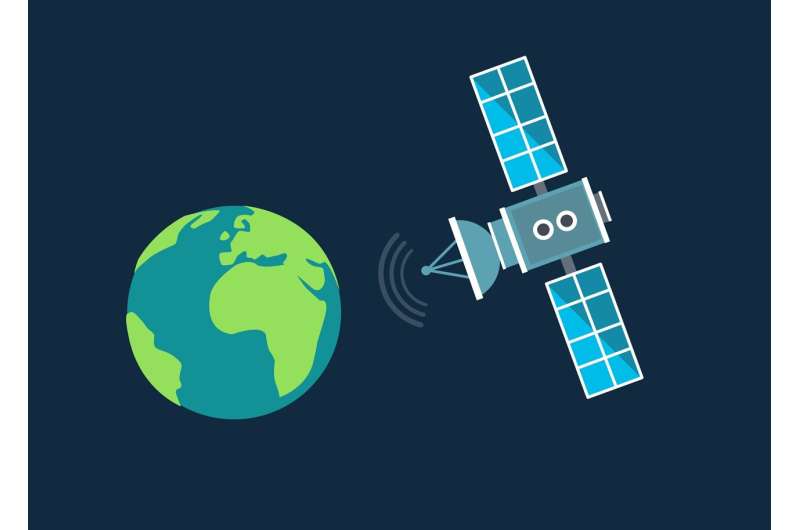
"Hello, world!"
A NASA tweet greeted the internet Wednesday with a beautiful image of the bluish gem-like Earth—the first image captured by the newest weather satellite orbiting the planet.
GOES-18, short for Geostationary Operational Environmental Satellite, blasted off in March from Cape Canaveral Space Force Station on a United Launch Alliance Atlas V rocket thanks to a collaboration between the National Oceanic and Atmospheric Administration and NASA along with several other partners.
GOES-18 is a weather monitoring satellite that should help meteorologists determine potential areas of disaster before they occur in the western part of the United States as well as Alaska and Hawaii, according to the NOAA. It will primarily be used to monitor and predict disaster events like hurricanes, thunderstorms, floods, dense fog and fire.
Among its utility belt of tools, GOES-18 has an Advanced Baseline Imager (ABI), which can view the Earth in 16 different kinds of spectral bands including two visible channels, four near-infrared channels and 10 infrared channels. The previous generation of GOES could only view five different bands. The ABI will help scientists predict where fires on the west coast could start before they ever form, said Pam Sullivan director of the GOES-R program.
Astra reveals details of next, larger rocket
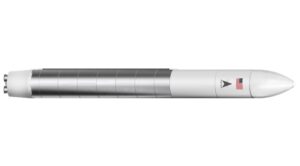
Astra disclosed details about its new launch vehicle that will be capable of carrying heavier payloads and flying more frequently.
The post Astra reveals details of next, larger rocket appeared first on SpaceNews.
Space Force to select small rocket for ‘responsive space’ mission
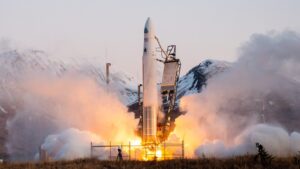
The U.S. Space Force plans to select a small satellite launcher to fly a payload to low Earth orbit on short notice, a capability known as tactically responsive space.
The post Space Force to select small rocket for ‘responsive space’ mission appeared first on SpaceNews.