European space industry alarmed by Russian ASAT test

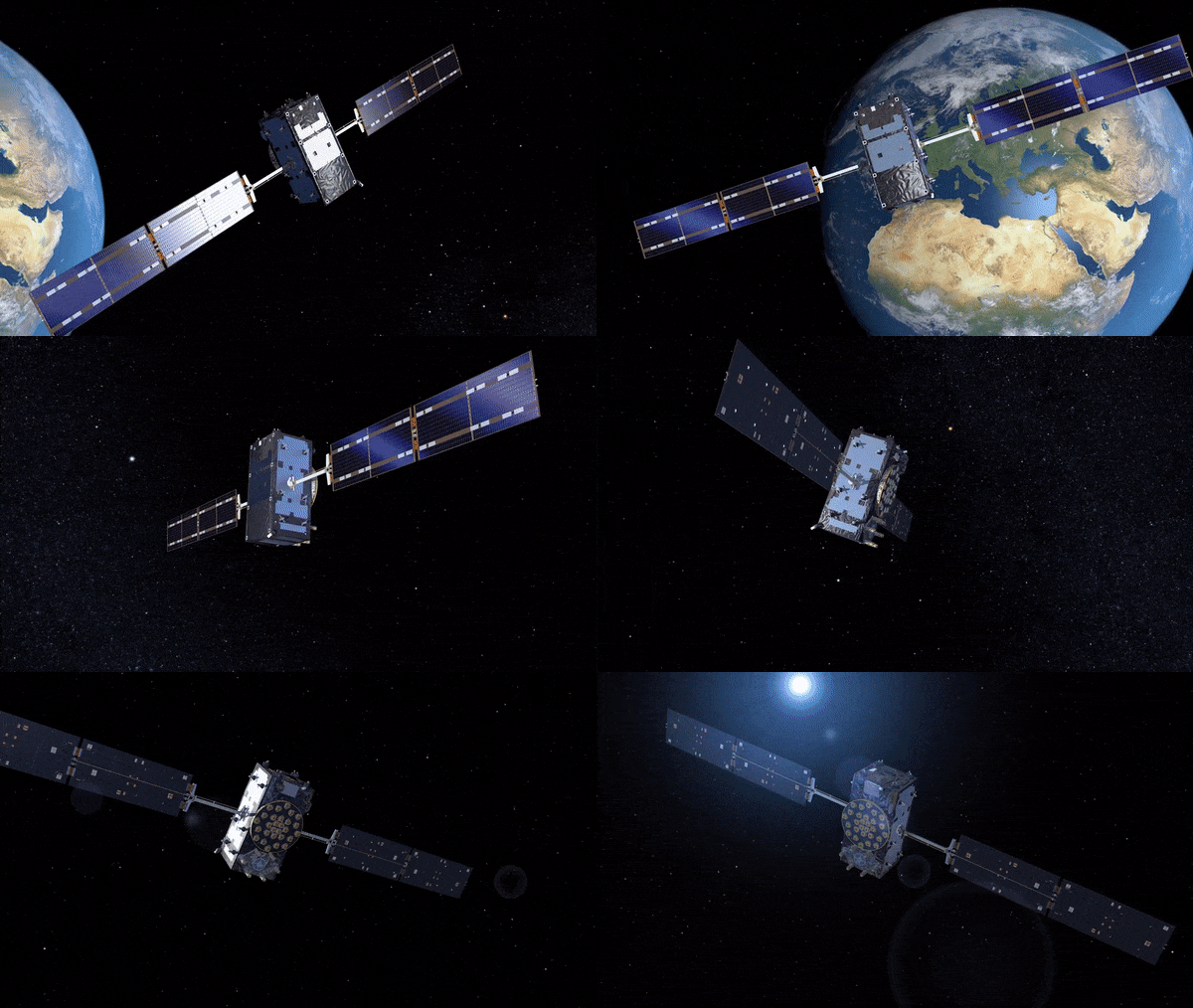
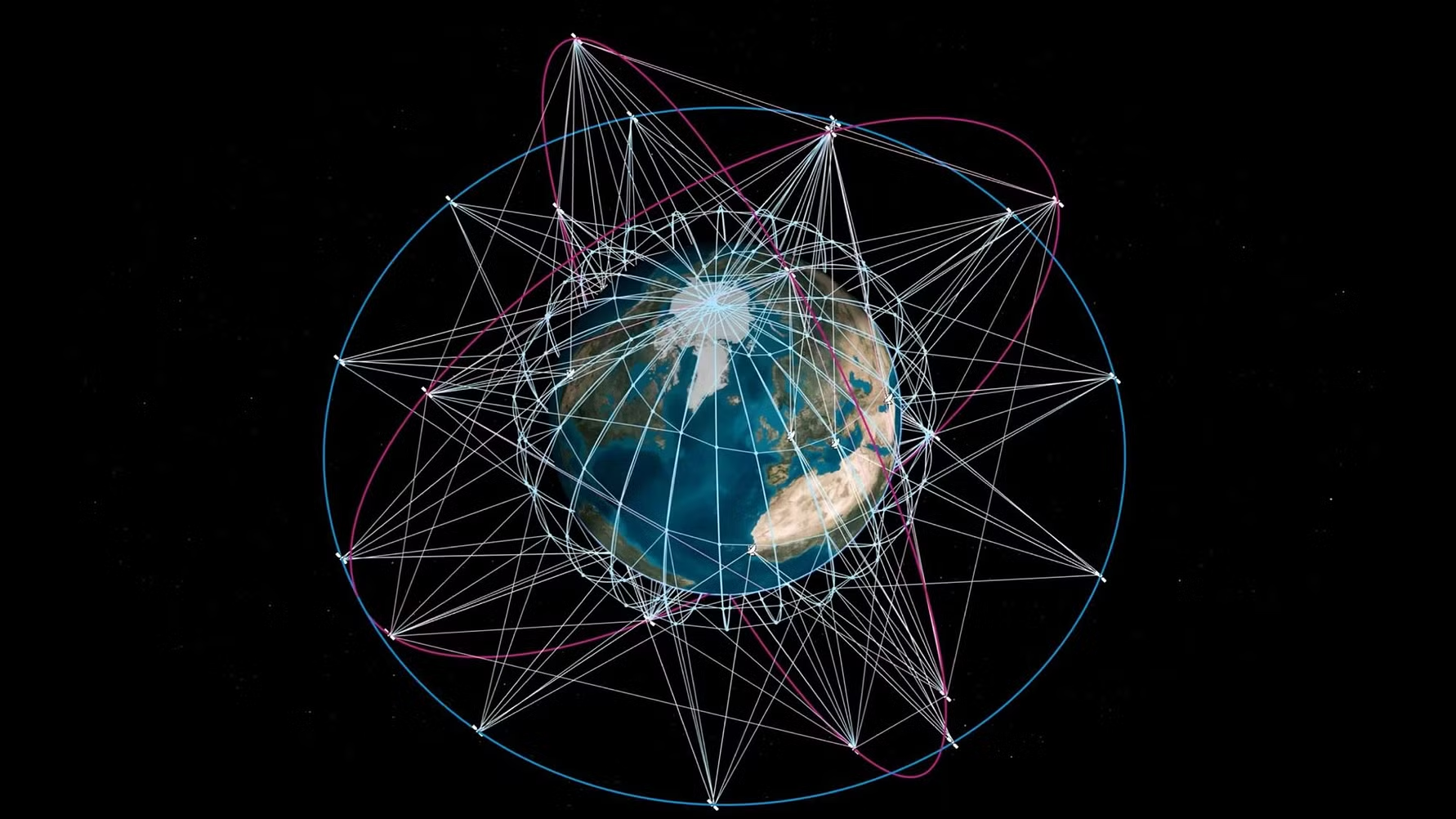
European space industry figures have expressed alarm at Russia’s destructive antisatellite test which has created thousands of pieces of orbital debris.
Hydrosat raises $10 million for thermal infrared imagery constellation
Hydrosat, a geospatial data and analytics startup, raised $10 million in seed funding for a satellite constellation to produce thermal infrared maps.
Stress-testing a space-based blockchain

SpaceNews interviewed Hasshi Sudler, Villanova adjunct professor and CEO of the Internet Think Tank, to learn more about future blockchain constellations.
Russia satellite destruction put ISS at greater risk: ESA official
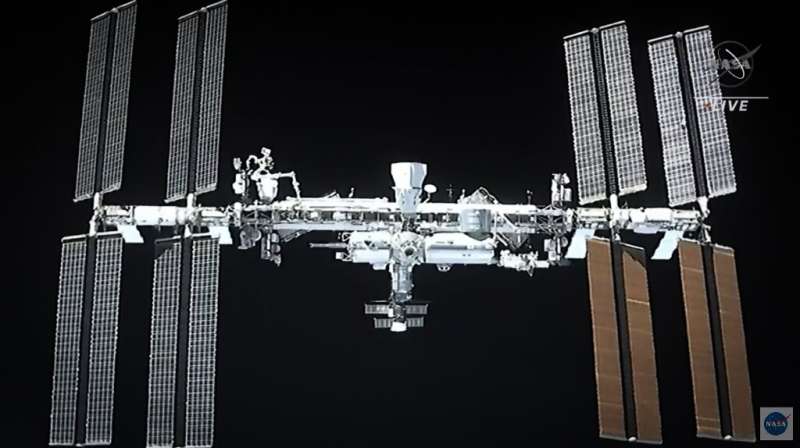
Russia's destruction of one of its own satellites generated a cloud of debris near the International Space Station (ISS) and its seven-strong crew.
For Didier Schmitt, a senior figure at the European Space Agency (ESA), Moscow's action increased the risk of a collision in space.
Question: Was this a close call for the seven astronauts—four US, two Russians and a German - aboard the ISS?
Answer: "It's difficult to say with hindsight. But what we know is that from now on, according to our sources, the risk of collision could be five times greater in the weeks, even the months ahead.
"The new debris is moving in the same orbit as the Station, which is to around 400 kilometres in altitude, at more than 8 kilometres a second. That's seven to eight times faster than a rifle bullet! So to avoid them you have to predict a long time in advance: you can raise or lower the ISS a little.
The longest lunar eclipse in centuries will happen this week, NASA says
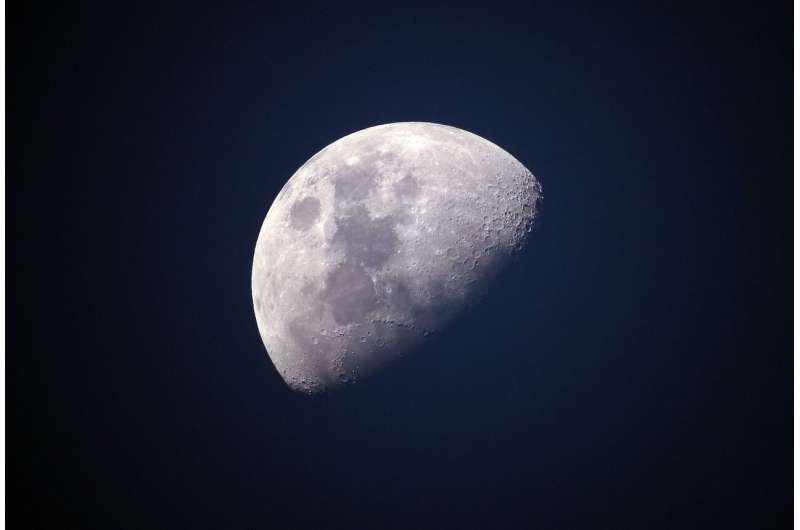
You can see the longest partial lunar eclipse in hundreds of years this week.
The "nearly total" lunar eclipse is expected overnight Thursday, Nov. 18, to Friday, Nov. 19, NASA said.
"The Moon will be so close to opposite the Sun on Nov 19 that it will pass through the southern part of the shadow of the Earth for a nearly total lunar eclipse," NASA said on its website.
The eclipse will last 3 hours, 28 minutes and 23 seconds, making it the longest in centuries, Space.com reported.
Only a small sliver of the moon will be visible during the eclipse. About 97% of the moon will disappear into Earth's shadow as the sun and moon pass opposite sides of the planet, EarthSky reported.
The moon should appear to be a reddish-brown color as it slips into the shadow, NASA reported.
The eclipse will be visible in many parts of the world, including North America, eastern Australia, New Zealand and Japan, according to EarthSky.
"For U.S. East Coast observers, the partial eclipse begins a little after 2 a.m.
NASA Invites Media to Webb Telescope Science Briefings
 NASA will hold two virtual media briefings Thursday, Nov. 18, on the science goals and capabilities of the James Webb Space Telescope.
 Fleet Space raises $26.4 million in Series B round

Fleet Space Technologies raised $26.4 million in a Series B investment round that puts a value of $126 million on the Australian internet-of-things satellite constellation.
Nelson and Rogozin talk about ASAT test

NASA Administrator Bill Nelson spoke with his Russian counterpart a day after a Russian antisatellite test, as others in the Russian government dismissed the threat to space sustainability that test created.
Northrop-led team proposes Artemis lunar rover
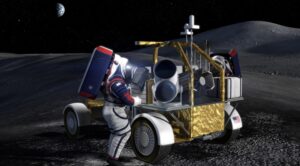
An industry team led by Northrop Grumman has unveiled the design of a lunar rover it proposes to develop for NASA’s Artemis program.
Russia clearly knew the consequences of ASAT test, says former U.S. intelligence official
Sue Gordon, former principal deputy director of national intelligence, said the Russians fully understood the consequences of the ASAT test