
SpaceX aiming for night launch of 4 on 1st private flight
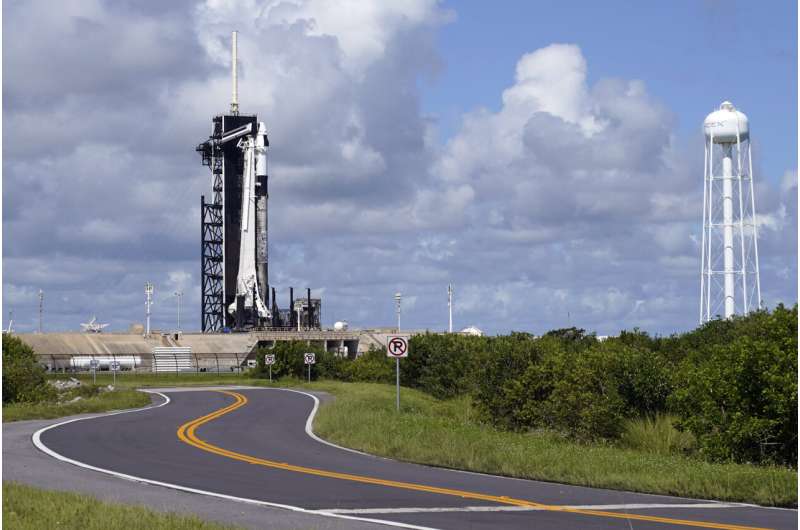
SpaceX aimed to blast a billionaire into orbit Wednesday night with his two contest winners and a health care worker who survived childhood cancer.
It's the first chartered passenger flight for Elon Musk's SpaceX and a big step in space tourism by a private company.
SpaceX sends all-civilian crew into orbit
 A SpaceX Falcon 9 rocket carrying four space tourists blasted off Wednesday night from the Kennedy Space Center in Florida for the first mission to orbit the globe with an all-civilian crew. A huge fireball illuminated the sky as the rocket's nine engines began to pull away from Earth at 8:02 pm (0002 GMT Thursday). Around 12 minutes later, the Dragon capsule separated from the rocket's send stage as the crew entered orbit, while the re-usable first stage made its way back to Earth for a vertical landing on a sea barge.
 Space Force backs development of commercial orbital debris removal systems

A Space Force general endorsed the development of commercial systems for removing space debris, saying they can address congestion in Earth orbit without the policy concerns a government-run alternative might have.
SpaceX launches Crew Dragon on first private mission

SpaceX successfully launched a Crew Dragon spacecraft carrying four nonprofessional astronauts on its first private crewed mission Sept. 15, a long-awaited milestone in the commercialization of spaceflight.
Contest winners, health worker orbiting world in SpaceX 1st
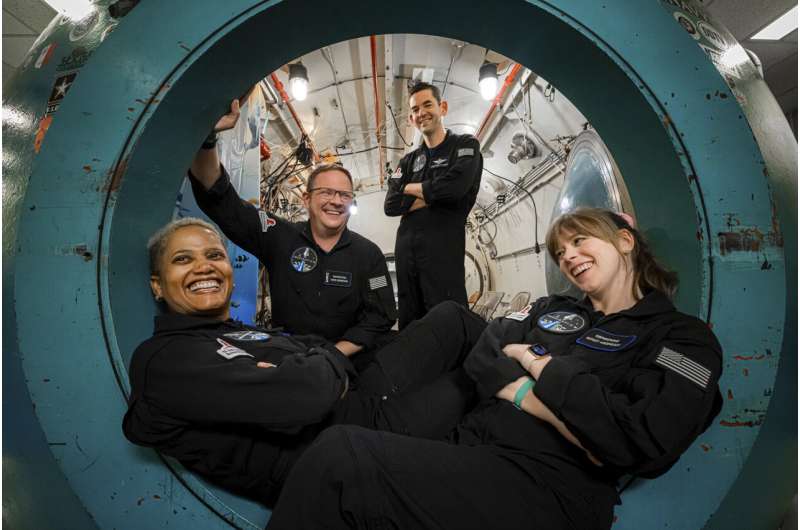
The four people on SpaceX's first private flight are fairly ordinary, down-to-Earth types brought together by chance.
They'll circle Earth for three days at an unusually high altitude—on their own without a professional escort—before splashing down off the Florida coast.
SpaceX launches 4 amateurs on private Earth-circling trip
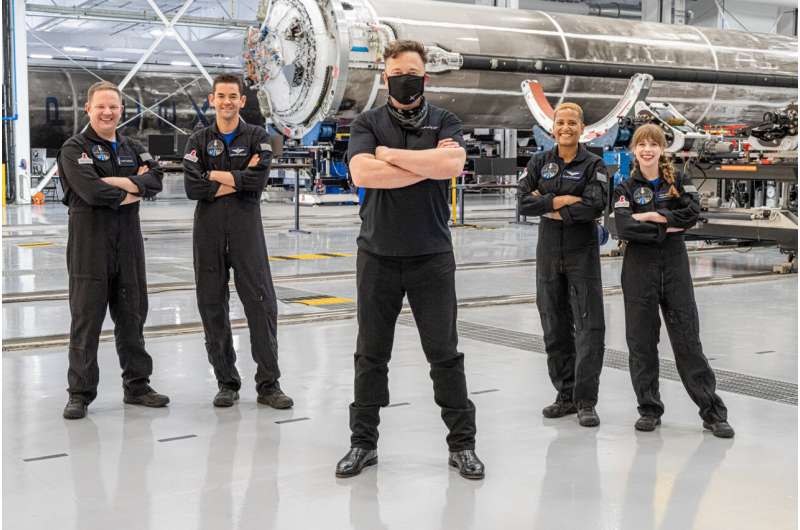
SpaceX's first private flight streaked into orbit Wednesday night with two contest winners, a health care worker and their rich sponsor, the most ambitious leap yet in space tourism.
 Image:
Solar cell system
Image:
Solar cell system 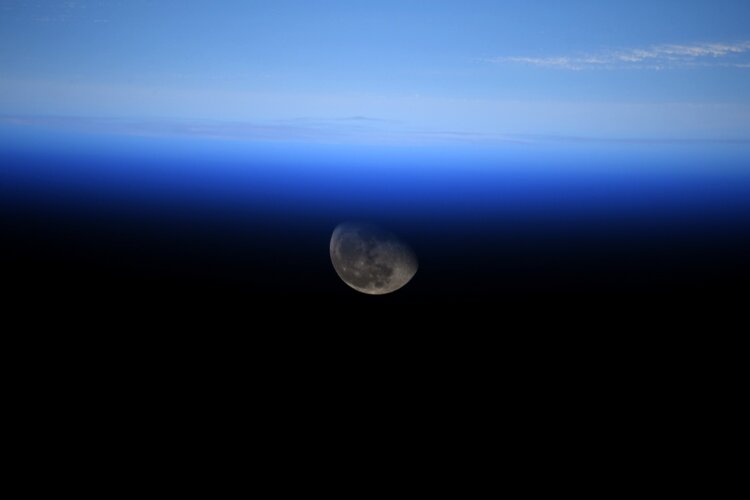 Image:
To the Moon!
Image:
To the Moon! What’s going on with the ozone?
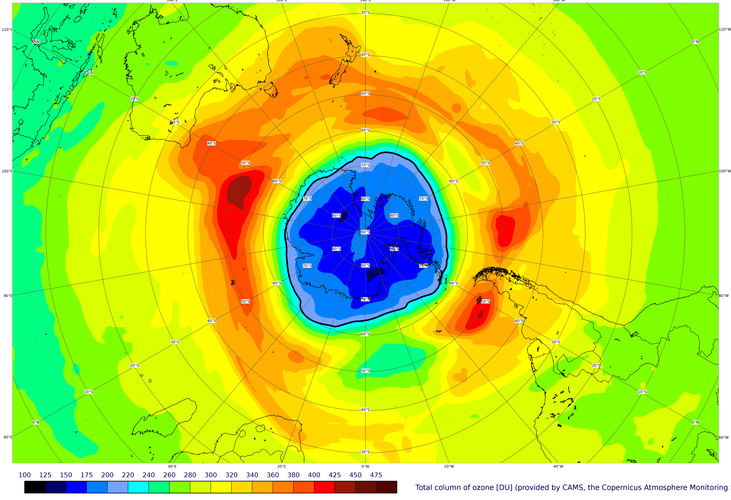
World governments agreed in the late 1980s to protect Earth’s ozone layer by phasing out ozone-depleting substances emitted by human activities, under the Montreal Protocol. The phase out of these substances has not only helped protect the ozone layer for future generations but has also protected human health and ecosystems by limiting the harmful ultraviolet radiation from reaching Earth. On 16 September, the International Day for the Preservation of the Ozone Layer, we take a closer look at this year’s ozone hole.