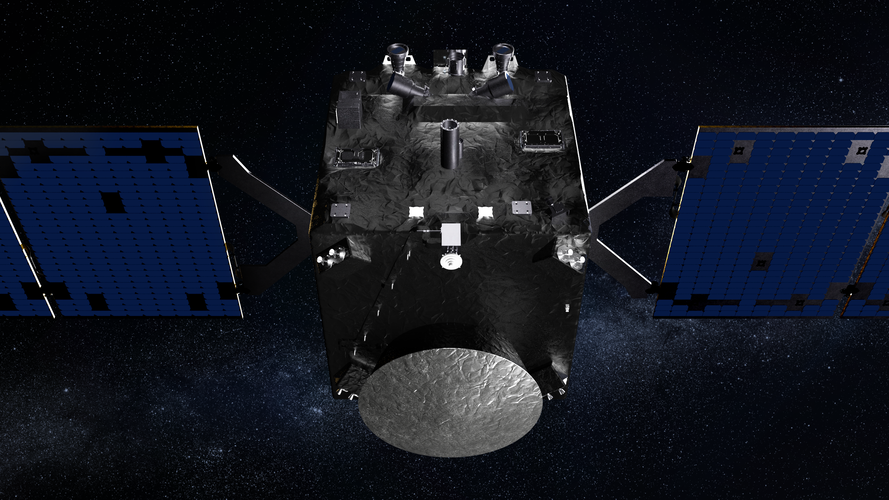
Report: Space weapons are a fact of life, but there are many ways to counter them
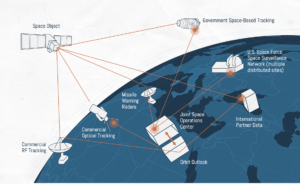
WASHINGTON — Nations around the world — notably China and Russia — are building arsenals of weapons that can destroy or disrupt satellites in orbit. Not much can be done to slow that trend down, but these threats can be countered with technologies and tactics, says a report by the Center for Strategic and International Studies released Feb.
Virgin Galactic further delays SpaceShipTwo test flights
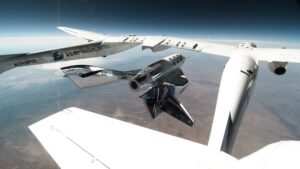
WASHINGTON — Virgin Galactic says it is delaying the next test flight of its SpaceShipTwo suborbital vehicle by more than two months to address technical issues, part of a revamped flight test program that will postpone flights of space tourists to 2022.
Week in images: 22 - 26 February 2021
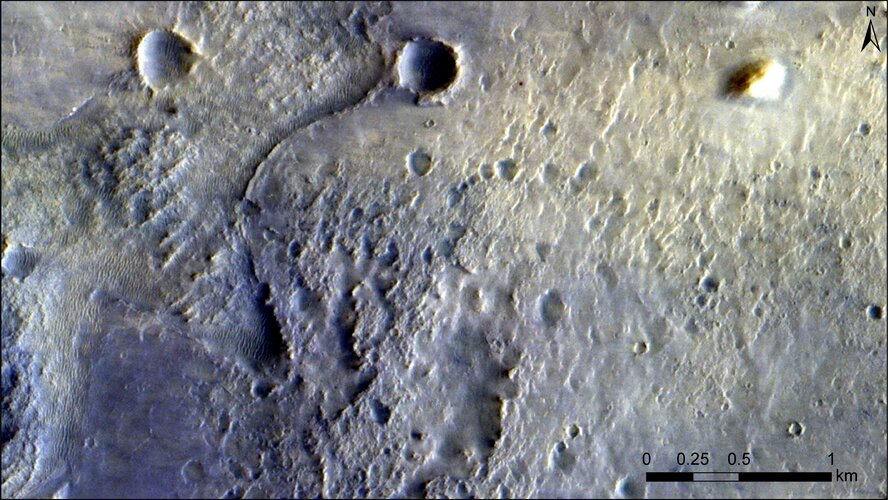
Week in images: 22 - 26 February 2021
Discover our week through the lens
Lockheed Martin to upgrade GPS satellites for in-orbit servicing
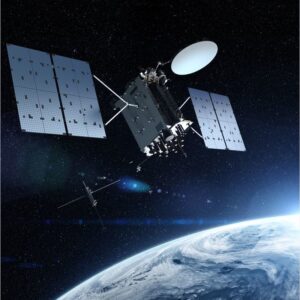
WASHINGTON — Lockheed Martin is redesigning the bus used for Global Positioning System satellites so they can be upgraded with new hardware on orbit, a company executive said Feb. 25.
Eric Brown, senior director of military space mission strategy at Lockheed Martin, said this is significant because the thinking today is that “once something was on orbit you were done with it.
Automaker Geely gains approval for satellites for self-driving constellation
HELSINKI — Chinese private automaker Geely has got the green light to begin manufacturing satellites for navigation, connectivity and communications needed for self-driving cars.
Nicole Robinson named president of Ursa Space Systems

SAN FRANCISCO – After 14 years at satellite communications fleet operator SES, Nicole Robinson is taking on a new role: president of Ursa Space Systems, a geospatial analytics firm based in Ithaca, New York.
Robinson was SES senior vice president of global government when she began talking in 2020 with Adam Maher, Ursa Space CEO and co-founder.
Artemis: How ever-changing U.S. space policy may push back the next moon landing
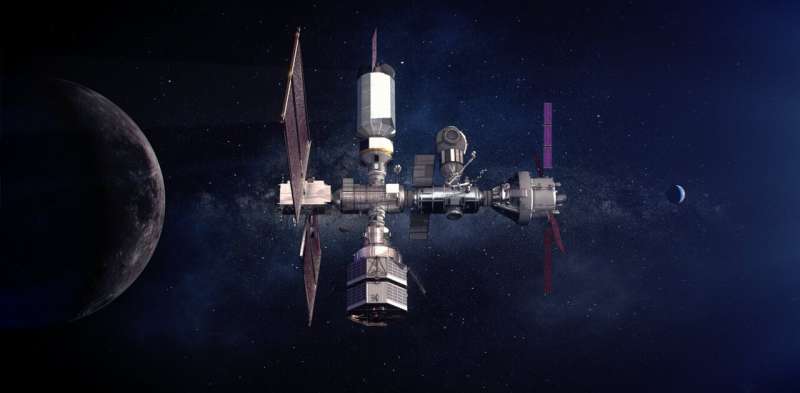
Harrison Schmitt and Eugene Cernan blasted off from the Taurus-Littrow valley on the moon in their lunar module Challenger on December 14 1972. Five days later, they splashed down safely in the Pacific, closing the Apollo 17 mission and becoming the last humans to visit the lunar surface or venture anywhere beyond low-Earth orbit.
Now the international Artemis program, lead by Nasa, is aiming to put humans back on the moon by 2024. But it is looking increasingly likely that this goal could be missed.
History shows just how vulnerable space programs, which require years of planning and development spanning several administrations, are. After Apollo 17, Nasa had plans for several further lunar Apollo missions, even including a possible flyby of Venus. But budget cuts in the early 1970s and a reprioritising of human spaceflight to focus on the Skylab project precluded any further lunar missions at that time.
It was not until July 20 1989, the 20th anniversary of the Apollo 11 landing, that President George H.W.
What geologists see when they look at Perseverance's landing site
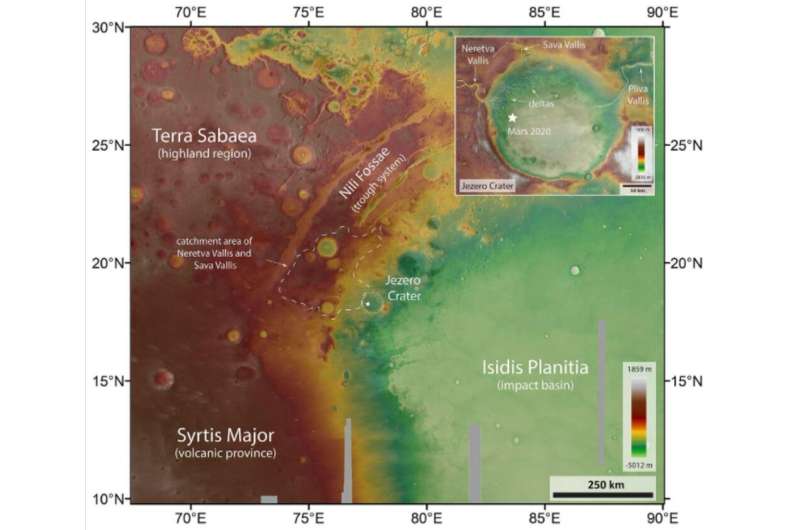
Geologists love fieldwork. They love getting their specialized hammers and chisels into seams in the rock, exposing unweathered surfaces and teasing out the rock's secrets. Mars would be the ultimate field trip for many of them, but sadly, that's not possible.
Instead, we've sent the Perseverance rover on the field trip. But if a geologist were along for the ride, what would it look like to them?
Geologists tell us there's no substitute for fieldwork.
Astra, Rocket Lab win launch contracts
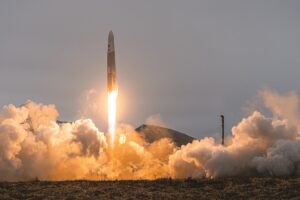
WASHINGTON — Astra has won a NASA contract to launch a small constellation of Earth science cubesats, while General Atomics selected Rocket Lab for the launch of a small satellite with a NOAA hosted payload.
NASA announced Feb.
NASA spacewalk Sunday will prepare for new solar power
 NASA will take the first steps Sunday toward a major addition to the International Space Station's solar panels during a two-person spacewalk.
Astronauts Kate Rubins and Victor Glover plan to exit the space station around 6 a.m. EST for the 6 1/2-hour expedition some 250 miles above the Earth.
Rubins and Glover will prepare for the installation of six new solar arrays, which NASA
NASA will take the first steps Sunday toward a major addition to the International Space Station's solar panels during a two-person spacewalk.
Astronauts Kate Rubins and Victor Glover plan to exit the space station around 6 a.m. EST for the 6 1/2-hour expedition some 250 miles above the Earth.
Rubins and Glover will prepare for the installation of six new solar arrays, which NASA