Measuring nutrition in crops from space
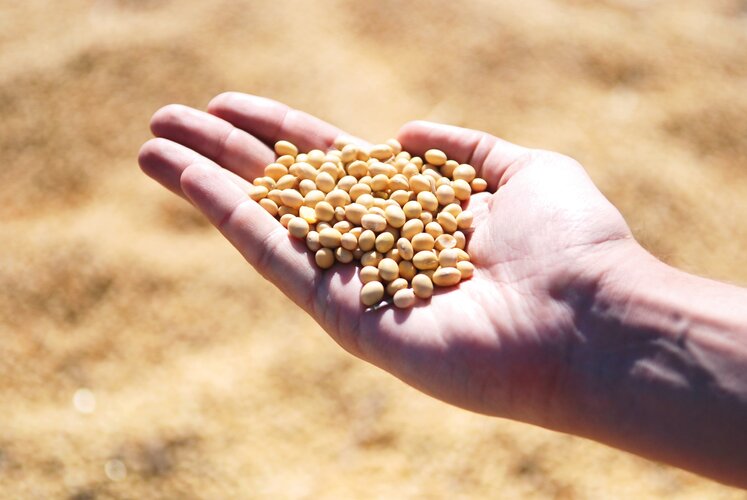
With many people around the world suffering from various forms of malnutrition it’s important that the absolute basics such as rice, soya and wheat are as nourishing as possible. ESA-funded research shows that the Copernicus Sentinel-2 mission and the Italian Prisma mission could be used to monitor the nutritional content of staple crops. This could, for example, help farmers take appropriate steps to boost the quality of their crops as they grow.
Webb captures an ethereal view of NGC 346
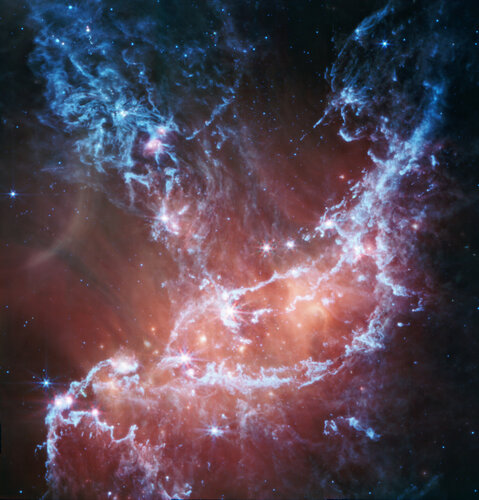 Image:
NGC 346 (MIRI image)
Image:
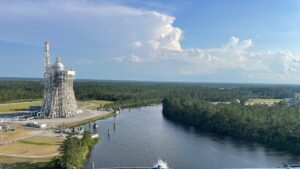
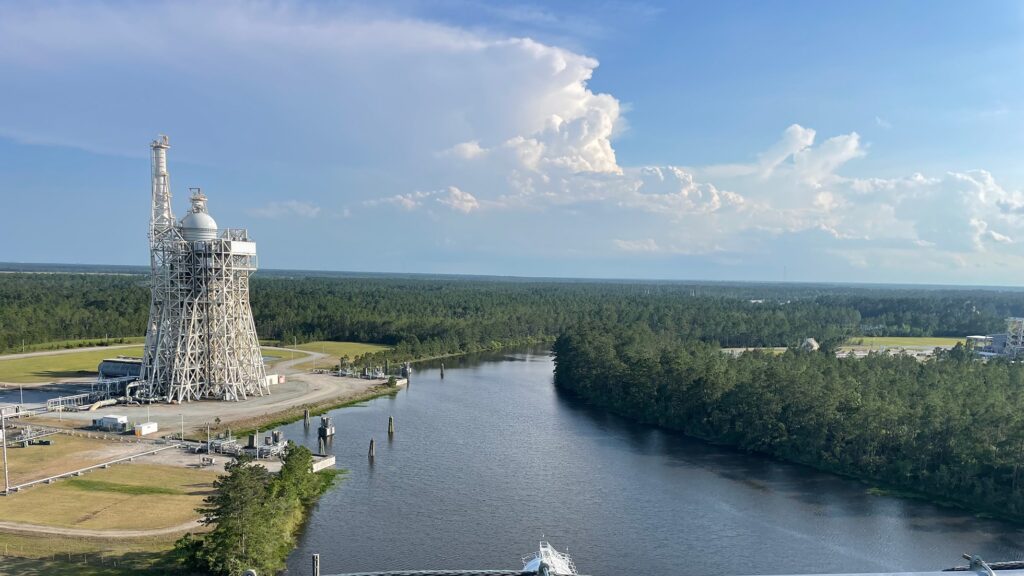
NGC 346 (MIRI image) Evolution Space to develop solid rocket motors at NASA Stennis
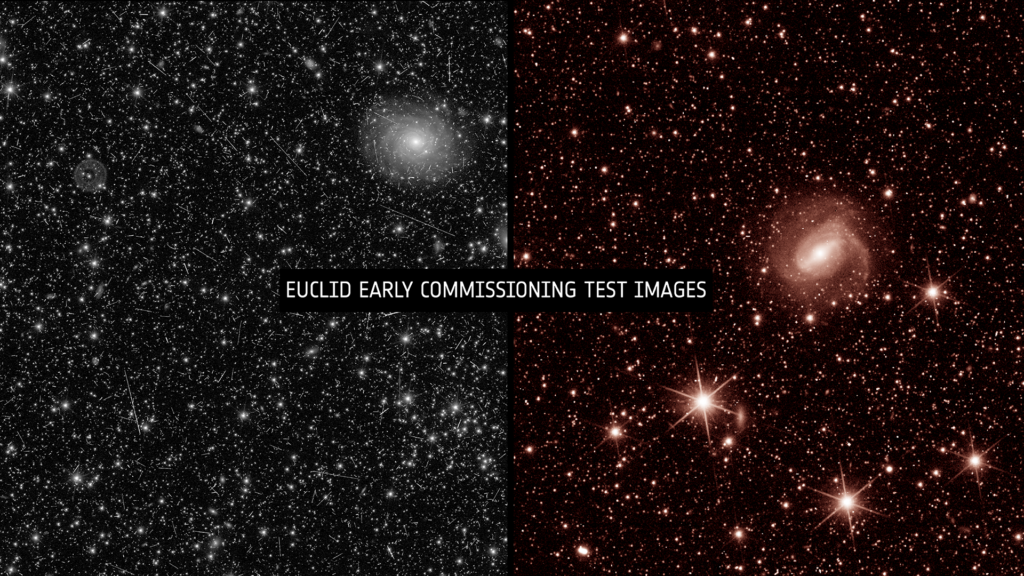
ESA’s Euclid space telescope obtaining “magnificent” test images despite a few finetuning hiccups
DoD-funded space project advances non-GPS navigation

More eyes in the sky: NRO building new satellites to deliver ‘10 times more signals and images’

NASA's Roman mission gears up for a torrent of future data
'Ring of fire' solar eclipse will slice across Americas on Saturday with millions along path
Want to explore Neptune? Use Triton's atmosphere to put on the brakes
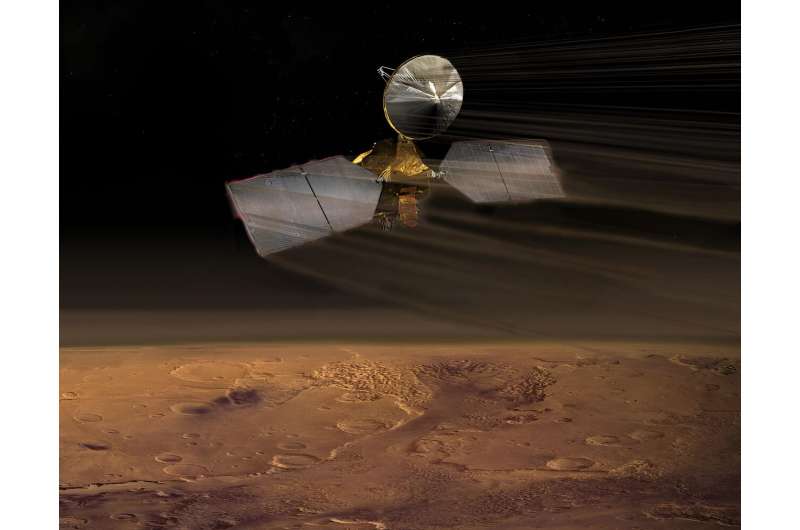
Aerobraking is commonly used to slow down spacecraft when they arrive at various planetary systems. It requires a spacecraft to dip into the atmosphere of a celestial body in the planetary system, such as a moon or the planet itself, and use the resistance from that atmosphere to shed some of its velocity. That slow-down would then allow it to enter an orbit in the planetary system without carrying the extra fuel required to do the maneuvers through powered flight, thereby saving weight on the mission and reducing its cost.
Unfortunately, saying the orbital dynamics of such a maneuver are complicated is an understatement. But ultimately, for any aerobraking to be viable, someone has to do the math. And that's just what Jakob Brisby and Jame Lyne, a graduate student and professor at the University of Tennessee Knoxville, did for some of the least visited planetary systems in the solar system—Neptune.
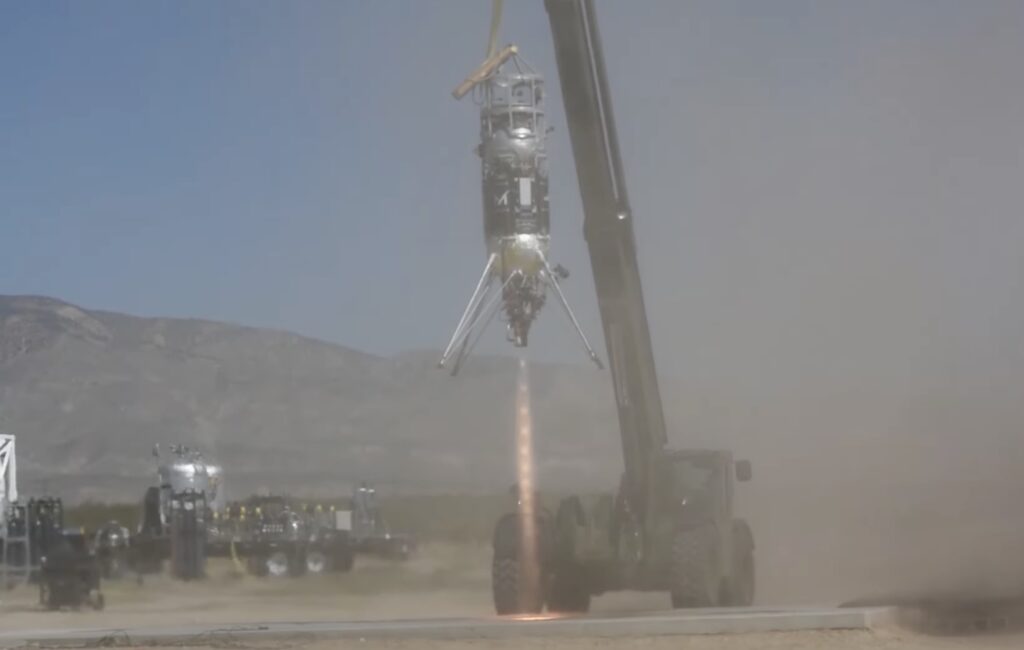
Astrobotic resumes flights of Xodiac suborbital vehicle