

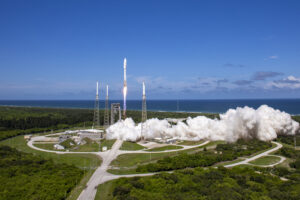
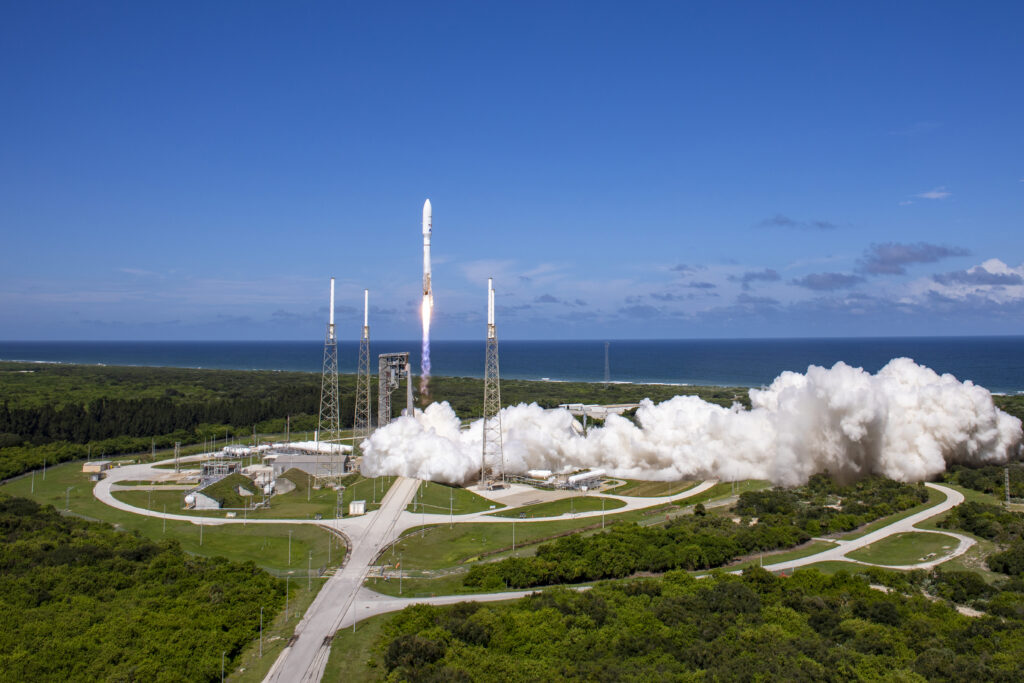
ULA Atlas 5 launches first Project Kuiper satellites
Spain's first private rocket successfully lifts off
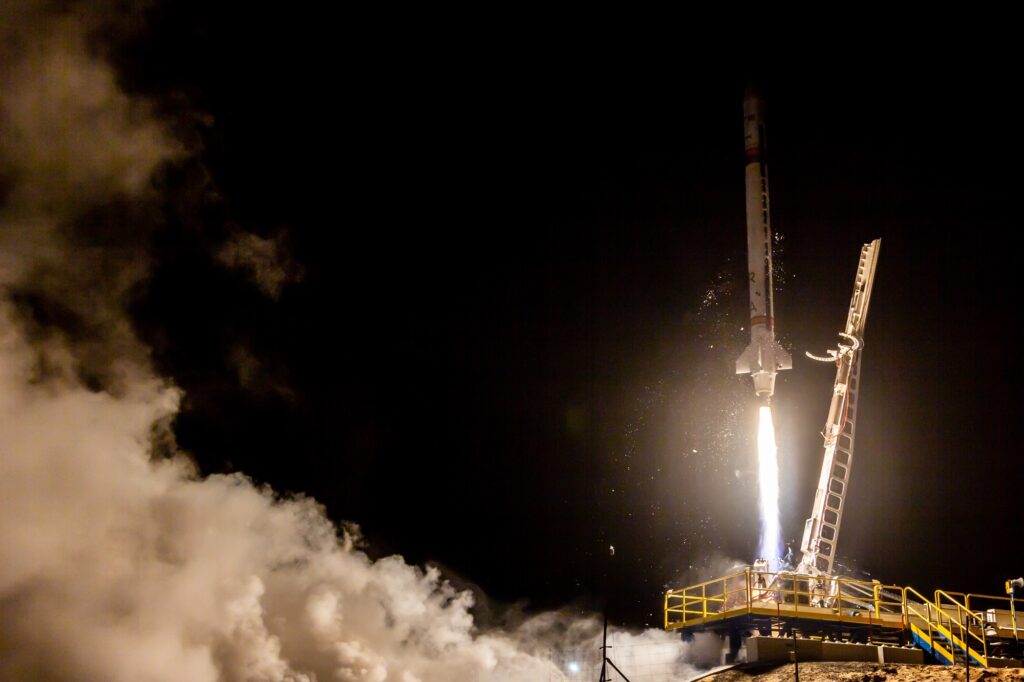
 A Spanish company launched the country's first private rocket on Saturday in a step towards bringing Spain into the exclusive club of space-faring nations.
The launch of the small MIURA1 rocket took place at 02:19 am (0019 GMT) from a military base in the southern region of Andalusia, according to the company, PLD Space.
The company hailed the launch as "successful" and said it had achie
A Spanish company launched the country's first private rocket on Saturday in a step towards bringing Spain into the exclusive club of space-faring nations.
The launch of the small MIURA1 rocket took place at 02:19 am (0019 GMT) from a military base in the southern region of Andalusia, according to the company, PLD Space.
The company hailed the launch as "successful" and said it had achie Virgin Galactic carries first Pakistani into space
 Adventurer Namira Salim became the first Pakistani to travel into space on Friday, riding aboard Virgin Galactic's fifth successful flight in five months, the US company announced.
Salim, who previously traveled to both poles and has also parachuted over Mount Everest, was among the first customers to buy a ticket with billionaire Richard Branson's space company after it was founded almost t
Adventurer Namira Salim became the first Pakistani to travel into space on Friday, riding aboard Virgin Galactic's fifth successful flight in five months, the US company announced.
Salim, who previously traveled to both poles and has also parachuted over Mount Everest, was among the first customers to buy a ticket with billionaire Richard Branson's space company after it was founded almost t 
It's time to start worrying about space junk around the moon, too
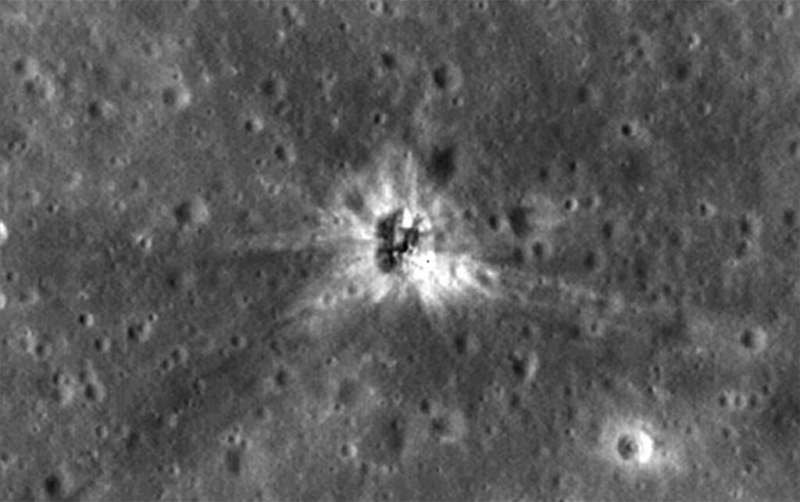
It's getting crowded up there. An increase in military, commercial and scientific launches, coupled with a lower cost for rideshare cubesat launches, means lots more space junk to deal with in coming years. And we're not just talking about low Earth orbit; the moon and cis-lunar (near lunar space) is about to become busy as well.
While we track and understand (for the most part) what's in low Earth orbit (LEO), we often fail to keep tabs on what's in Medium- to High- (Geostationary/Geosynchronous GEO) orbit and beyond. Even less so is true around the moon, which is about to become a busy place in coming years. Now, a recent study out of Purdue University is looking to model and track space debris around the moon, with an eye towards mitigation.
Head of ‘disruptive’ space procurement agency hits back at critics: ‘Change is hard’

Saving Mt. Wilson Observatory: Inside the long battle to maintain the spot where we found our place in the universe
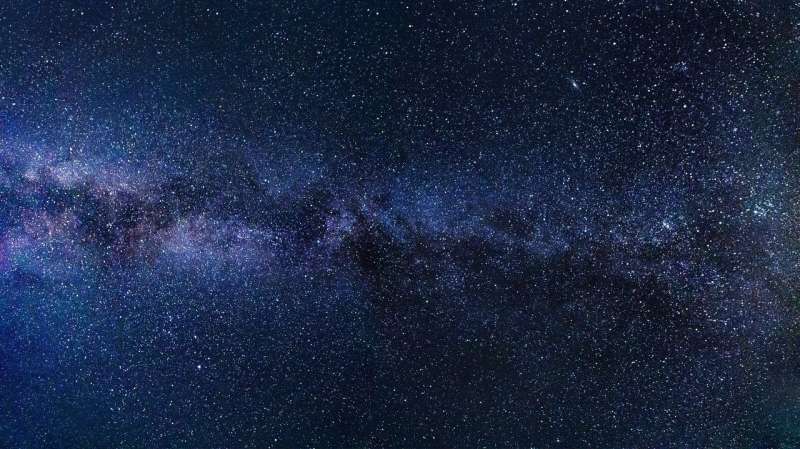
Los Angeles was once the best place in the world to see the universe.
The most important things we know about the cosmos were discovered in the early 20th century at Mt. Wilson Observatory. It was here, 100 years ago, that Edwin Hubble noted a light in the distance that would lead to one of science's greatest discoveries.
By night, astronomers kept watch at the best telescopes on Earth. But by day, a city grew between the mountain and the sea. The lights of Los Angeles multiplied with each passing year until their glow obscured that of the stars above.
Astronomers moved on to clearer skies, beneath which larger and more powerful telescopes would be built. And Mt. Wilson Observatory discovered what so many aging luminaries in L.A. have: Once your star light fades, no one is quite sure what to do with you.
With an annual budget smaller than that of some fancy L.A. parties, a nonprofit organization and volunteers have done a heroic job of keeping the grounds and telescopes open for visitors and the few scientists still working there.
Astroscale Japan to inspect a large defunct satellite in orbit
 Astroscale Japan has been selected by the Japan Ministry of Education, Culture, Sports, Science and Technology ("MEXT") for its Small and Business Innovation Research (SBIR) program to develop an on-orbit inspection demonstration mission that will image and diagnose a large, defunct satellite in space.
The MEXT-funded project is divided into three phases, and Astroscale Japan will receive
Astroscale Japan has been selected by the Japan Ministry of Education, Culture, Sports, Science and Technology ("MEXT") for its Small and Business Innovation Research (SBIR) program to develop an on-orbit inspection demonstration mission that will image and diagnose a large, defunct satellite in space.
The MEXT-funded project is divided into three phases, and Astroscale Japan will receive Satellite swarm to provide 'missing link' between space weather and space debris
 The European Space Agency (ESA) has funded a new mission concept involving a "swarm" of satellites to address the growing threat of space debris. The news comes as just this week the US government issued its first ever fine to a company for leaving space junk orbiting the Earth.
Space debris poses a huge problem for global communication systems and space exploration efforts. Over 50,000 pi
The European Space Agency (ESA) has funded a new mission concept involving a "swarm" of satellites to address the growing threat of space debris. The news comes as just this week the US government issued its first ever fine to a company for leaving space junk orbiting the Earth.
Space debris poses a huge problem for global communication systems and space exploration efforts. Over 50,000 pi 35 Candles and over 50 Space Missions for SPACEBEL
 Belgian company SPACEBEL, a renowned specialist in software engineering and Space systems, is celebrating its thirty-fifth anniversary.
Launched into orbit in 1988 to support the ambitions of Europe, and Belgium in particular, in Space, SPACEBEL quickly established a solid reputation in the Space and Earth observation applications sector thanks to its innovative software solutions. Drawing
Belgian company SPACEBEL, a renowned specialist in software engineering and Space systems, is celebrating its thirty-fifth anniversary.
Launched into orbit in 1988 to support the ambitions of Europe, and Belgium in particular, in Space, SPACEBEL quickly established a solid reputation in the Space and Earth observation applications sector thanks to its innovative software solutions. Drawing 


