Next SpaceX commercial crew mission to launch in April
WASHINGTON — The second operational SpaceX commercial crew mission to the International Space Station will now launch in mid-April, carrying astronauts from Europe, Japan and the United States.
NASA said Jan. 29 that it set a launch date of April 20 for the Crew-2 mission to the station.
Startup tests hybrid engine for small launch vehicle
WASHINGTON — A Maine startup made its first, albeit small, step towards space Jan. 31 with the successful launch of a rocket testing the engine technology it plans to use on future small launch vehicles.
The Stardust 1.0 rocket by Braunschweig, Maine-based bluShift Aerospace launched at about 3 p.m.
Umbra raises $32 million for radar satellite constellation
SAN FRANCISCO – Earth observation startup Umbra raised $32 million in an investment round led by the family office venture fund of Passport Capital founder John Burbank with participation from existing Umbra investors including CrossCut Ventures, Starbridge Ventures, Hemisphere Ventures and PonValley.
Opportunities for industry to renew Europe’s Spaceport
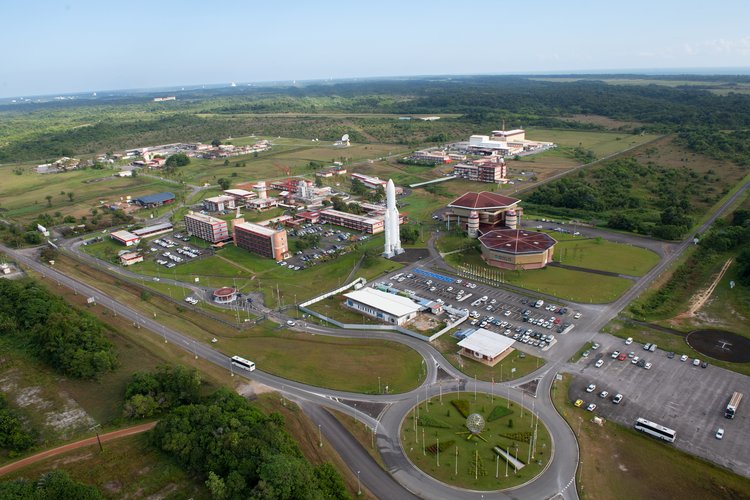
ESA invites European space and non-space companies to get involved in the modernisation of facilities at Europe’s Spaceport in Kourou, French Guiana. A total budget of €140 million has been allocated to finance this work over the 2020–24 period.
Virgin Galactic to resume SpaceShipTwo test flights in mid-February
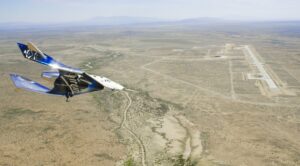
WASHINGTON — Virgin Galactic announced Feb. 1 that the company will launch its SpaceShipTwo suborbital spaceplane in mid-February, two months after a technical problem aborted an earlier launch attempt.
In a statement, Virgin Galactic said the window for its next SpaceShipTwo flight will open Feb.
China’s iSpace suffers failure with second orbital launch attempt
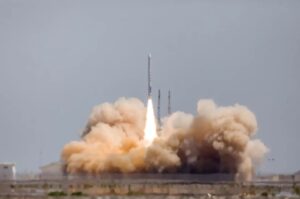
HELSINKI — Launch of a Hyperbola-1 rocket by Chinese private firm iSpace ended in apparent failure shortly after liftoff from Jiuquan launch center Monday.
Maine company successfully launches prototype rocket
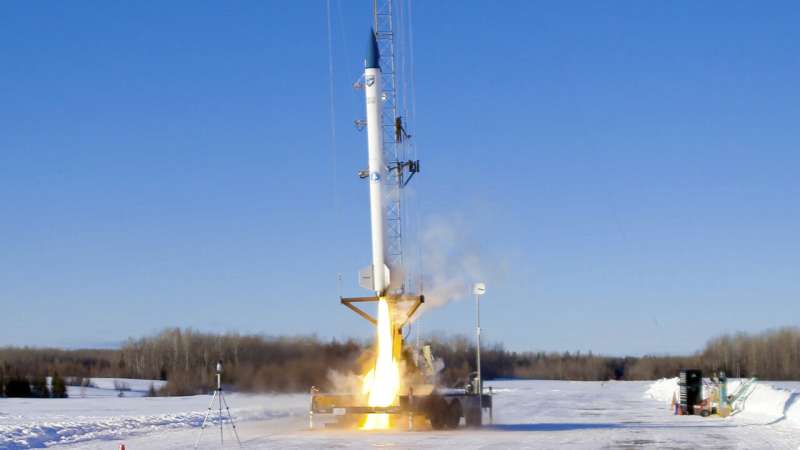
A Maine company that's developing a rocket to propel small satellites into space passed its first major test on Sunday.
Brunswick-based bluShift Aerospace launched a 20-foot (6-meter) prototype rocket, hitting an altitude of a little more than 4,000 feet (1,219 meters) in a first run designed to test the rocket's propulsion and control systems.
It carried a science project by Falmouth High School students that will measure flight metrics such as barometric pressure, a special alloy that's being tested by a New Hampshire company—and a Dutch dessert called stroopwafel, in an homage to its Amsterdam-based parent company.
Apply now for the 2021 YGT opportunities!
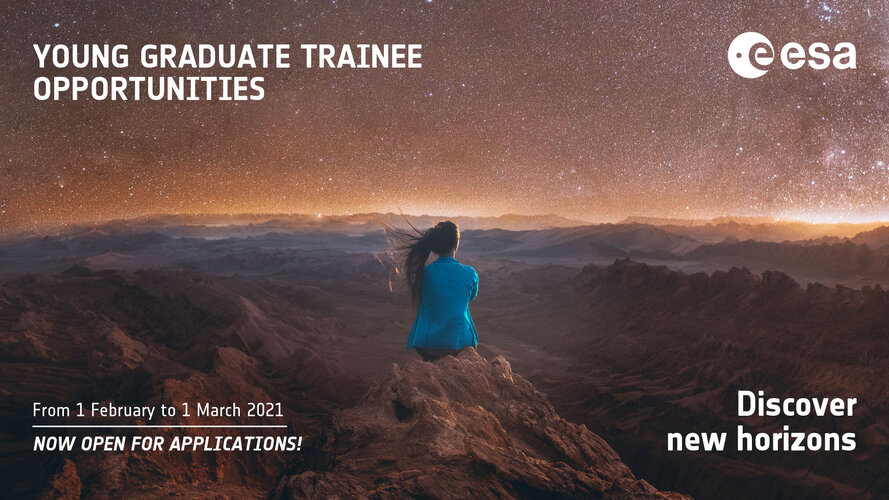
The 2021 ESA YGT opportunities are now open for applications until 1 March. Positions are available in engineering, science, IT and business services. Find out more and apply now.
Spacewalkers complete 4 years of power upgrades for station
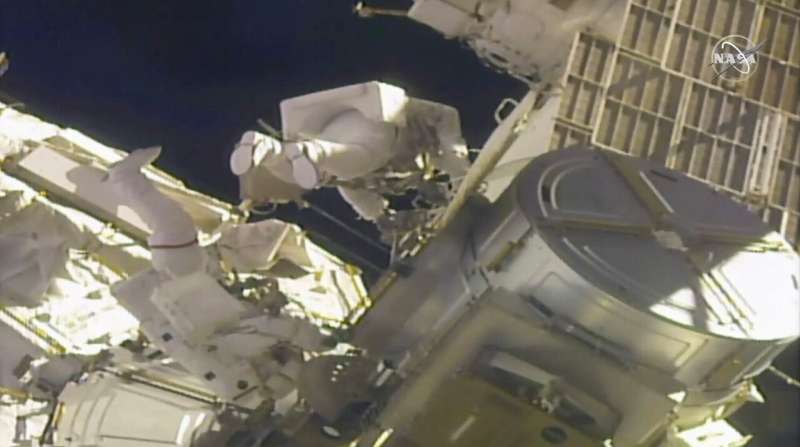
A pair of spacewalking astronauts completed a four-year effort to modernize the International Space Station's power grid on Monday, installing one last battery.
Apes, robots and men: The life and death of the first space chimp
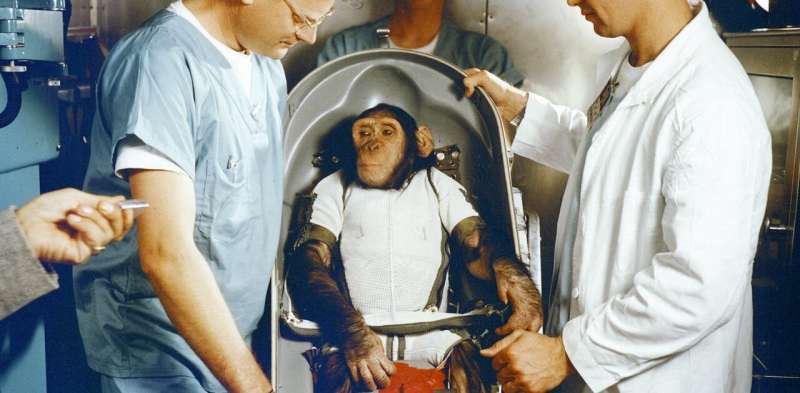
On January 31, 1961, an intrepid chimpanzee called Ham was launched on a rocket from Cape Canaveral in the United States, and returned to Earth alive. In this process, he became the first hominin in space.
In the 1950s, it was unclear whether humans could survive outside Earth—both physically and mentally. The science fiction writer and warfare expert Cordwainer Smith wrote about the psychological pain of being in space.
Plants, insects and animals had been taken to high altitudes in balloons and rockets since the 18th century. The Soviet Union sent the dog Laika into orbit on Sputnik 2 in 1957. She died, but from overheating rather than the effects of space travel itself.
While the USSR focused on dogs, the US turned to chimpanzees as they were the most like humans. The stakes became higher when US President John F. Kennedy promised to land humans on the Moon by the end of the 1960s.
Biography of a non-human astronaut
Ham was born in 1957 in a rainforest in the Central African nation of Cameroon, then a French territory.