Webb unveils dark side of pre-stellar ice chemistry
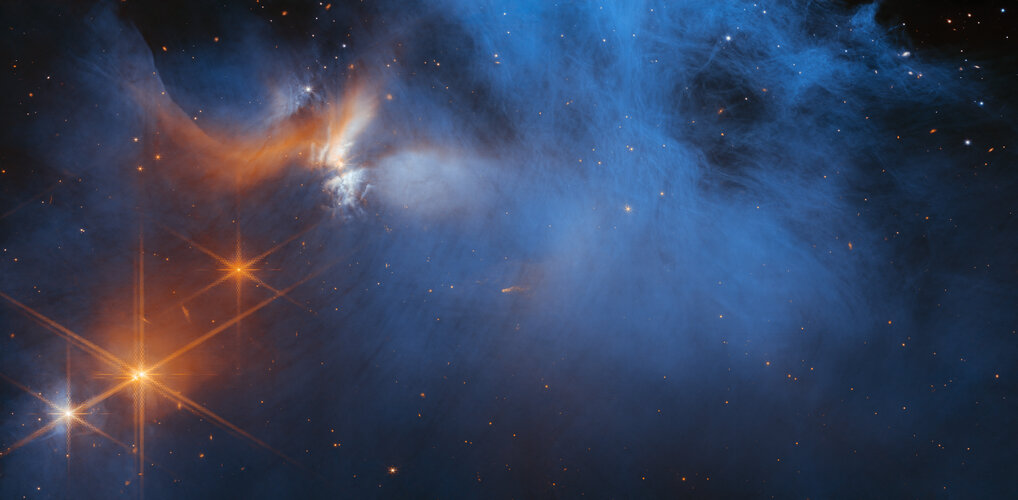
The discovery of diverse ices in the darkest, coldest regions of a molecular cloud measured to date has been announced by an international team of astronomers using the NASA/ESA/CSA James Webb Space Telescope. This result allows astronomers to examine the simple icy molecules that will be incorporated into future exoplanets, while opening a new window on the origin of more complex molecules that are the first step in the creation of the building blocks of life.
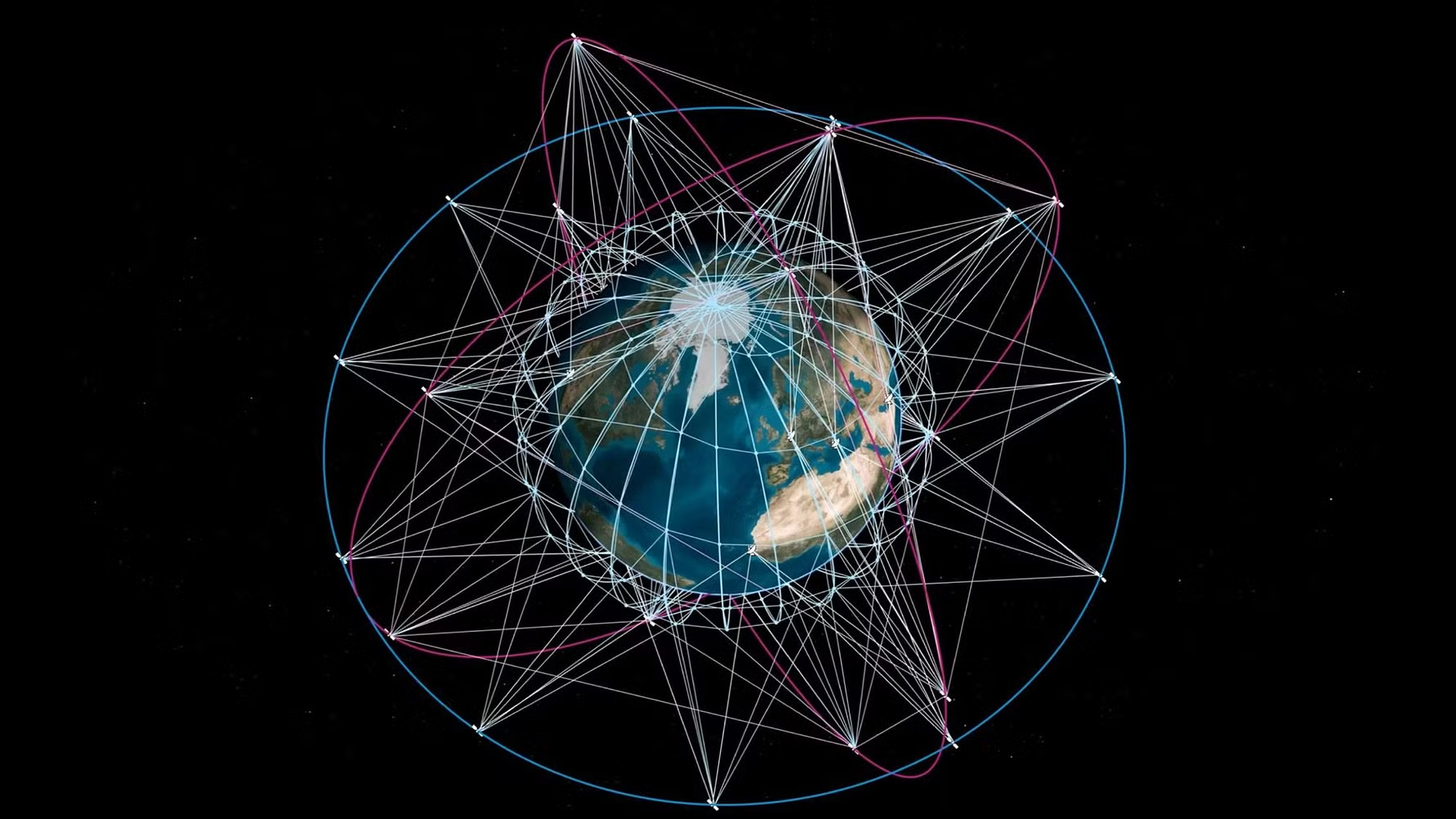
Satellite megaconstellations could pose a threat to the spectrum that meteorologists are eager to protect from radio frequency interference.
The post appeared first on SpaceNews.
It’s belt-cinching time for space startups

Space startups are hunting for cost savings as the tough financial climate threatens their business plans, leading to more innovative working practices to come out on top.
The post It’s belt-cinching time for space startups appeared first on SpaceNews.
Op-ed | How Canada is Shaping the World’s Future in Space

For decades, Canada has taken part in space research, exploration and defense, and while the nation’s contributions are not always the flashiest, they are almost always mission-critical.
The post Op-ed | How Canada is Shaping the World’s Future in Space appeared first on SpaceNews.
A new way to peer into the permanently shadowed craters on the moon, searching for deposits of water ice
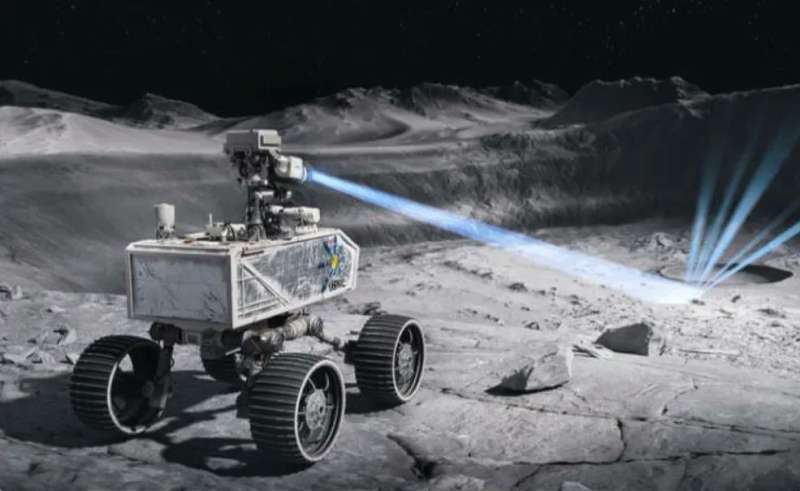
Not all flashlights are created equal. Some are stronger, consume more power, or have features such as blinking or strobes. Some aren't even meant for humans, such as a new project that recently received funding from a NASA Institute for Advanced Concepts (NIAC) Phase I award. Designed by the Ultra Safe Nuclear Corporation (USNC), this flashlight doesn't emit visible light, but it does emit X-rays and gamma rays, and the researchers on the project think it could be useful for finding resources on the moon.
The key to this technology is a novel radioisotope that USNC developed that goes by the trade name EmberCore. It is a type of nuclear chargeable ceramic, similar to the radioisotopes contained in the radioisotope thermal generators used by Mars rovers such as Curiosity and Perseverance.
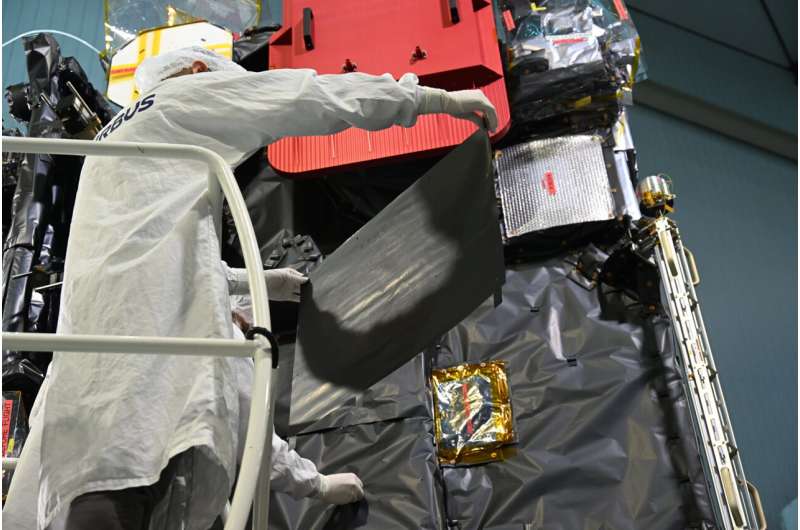
Galileo tribute plaque unveiled on the Jupiter Icy Moons Explorer, Juice
Juice launch (artist’s impression)
 Image:
Juice launch (artist’s impression)
Image:
Juice launch (artist’s impression) ESA DG’s annual press briefing 2023
 Video:
01:06:46
Video:
01:06:46
Watch a replay of our start-of-the-year press briefing looking ahead at 2023, with ESA Director General Josef Aschbacher and ESA Directors. They presented the next steps of Agenda 2025, looking at new missions, science, space safety and commercialisation of space.
UK Space Agency offers $62 million for innovative connectivity projects

The U.K. announced 50 million British pounds ($62 million) in funding Jan. 23 for projects that could boost the country’s satellite communications industry.
The post UK Space Agency offers $62 million for innovative connectivity projects appeared first on SpaceNews.
Space Development Agency renames constellation to reflect focus on U.S. warfighter

The Space Development Agency is renaming its planned network of military satellites “Proliferated Warfighter Space Architecture."
The post Space Development Agency renames constellation to reflect focus on U.S. warfighter appeared first on SpaceNews.