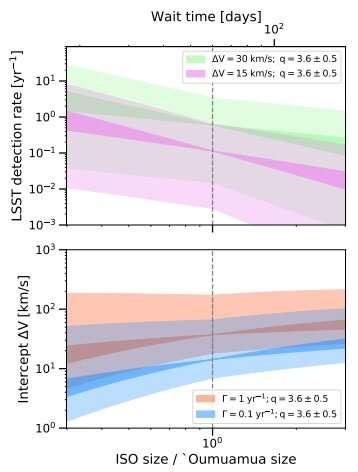
Outlining the requirements for a rendezvous mission with an interstellar visitor
Gearing up for the Moon with Pangaea
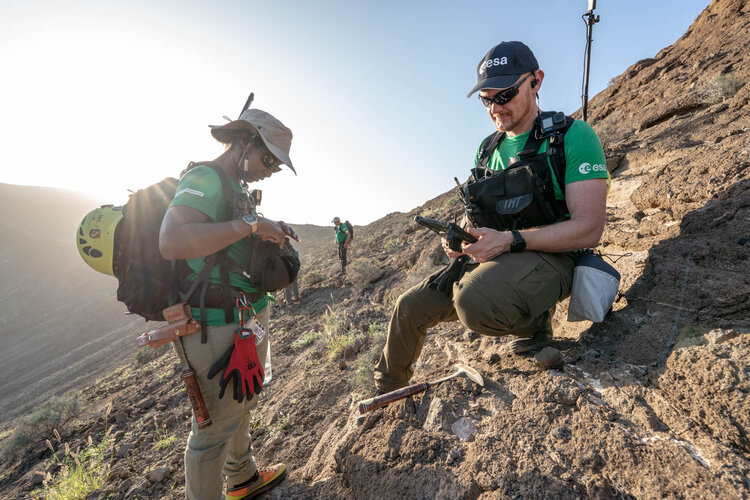 Image:
Gearing up for the Moon
Image:
Gearing up for the Moon HawkEye 360 delivers satellites for Rocket Lab’s first launch from U.S. soil

HawkEye 360's next three satellites will launch as early as December 7 on a Rocket Lab Electron rocket from a Virginia spaceport.
The post HawkEye 360 delivers satellites for Rocket Lab’s first launch from U.S.
Atlas launch to test inflatable heat shield
A payload hitching a ride on the launch of a weather satellite will demonstrate a technology that both NASA is considering for future Mars landings and a company is studying for rocket reusability.
Op-ed | NB 5G-IoT is the next big thing in the space industry

Small satellite and 5G technology advances are opening up space to innovative newcomers looking to transform the global telecoms industry.
The post Op-ed | NB 5G-IoT is the next big thing in the space industry appeared first on SpaceNews.
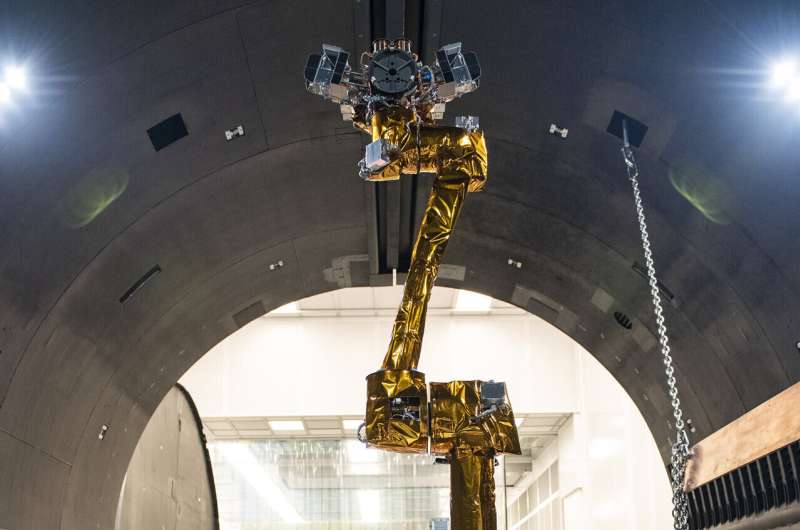
Engineers ready innovative robotic servicing of geosynchronous satellites payload for launch
Rocket Lab wins $14 million in contracts to supply hardware for U.S. military satellites

Rocket Lab USA won two contracts worth $14 million to provide separation systems for Space Development Agency satellites.
The post Rocket Lab wins $14 million in contracts to supply hardware for U.S.
HawkEye 360 to launch satellites on Rocket Lab’s first mission from U.S. soil
HawkEye 360's next three satellites will launch as early as December 7 on a Rocket Lab Electron rocket from a Virginia spaceport.
The post HawkEye 360 to launch satellites on Rocket Lab’s first mission from U.S.
Food science research could help astronauts eat well on future Mars missions
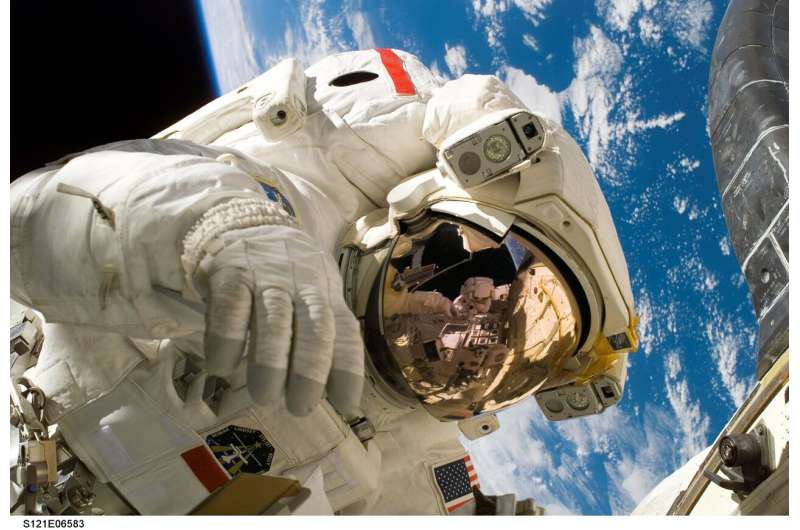
If space is the final frontier, it's food that will get us there in good shape, and UBC researchers are making sure that our food will be up to the task.
Dr. John Frostad, an assistant professor in chemical and biological engineering who studies the science of food, leads a team that is creating new ways of encapsulating omega-3 fatty acids so that they can go the distance.
Omega-3 is essential to mental sharpness. Even a couple of days without omega-3 in our diets may dull our brains and have us feeling less than our best. However, our bodies cannot produce it naturally so we must find it in the foods we eat, such as fish, flaxseed, or often by taking supplements.
"For astronauts and others on space missions, the difficult part is ensuring that omega-3 stays fresh and viable in whatever form—capsules or liquid—it is stored in," explains Dr. Frostad.
"The shelf life of most omega-3 capsules is around two years, but space missions can go for longer than that and they must be self-sufficient. You can't do a grocery run every couple of months.