UK defense committee calls for thorough Eutelsat/OneWeb review
Eutelsat and OneWeb’s planned merger requires the “strictest possible scrutiny,” a cross-party group of British government officials said in a report warning the U.K has become a “third-rank” power in space post-Brexit.
The post UK defense committee calls for thorough Eutelsat/OneWeb review appeared first on SpaceNews.
Mapping planet Earth for better positioning: ESA’s GENESIS mission

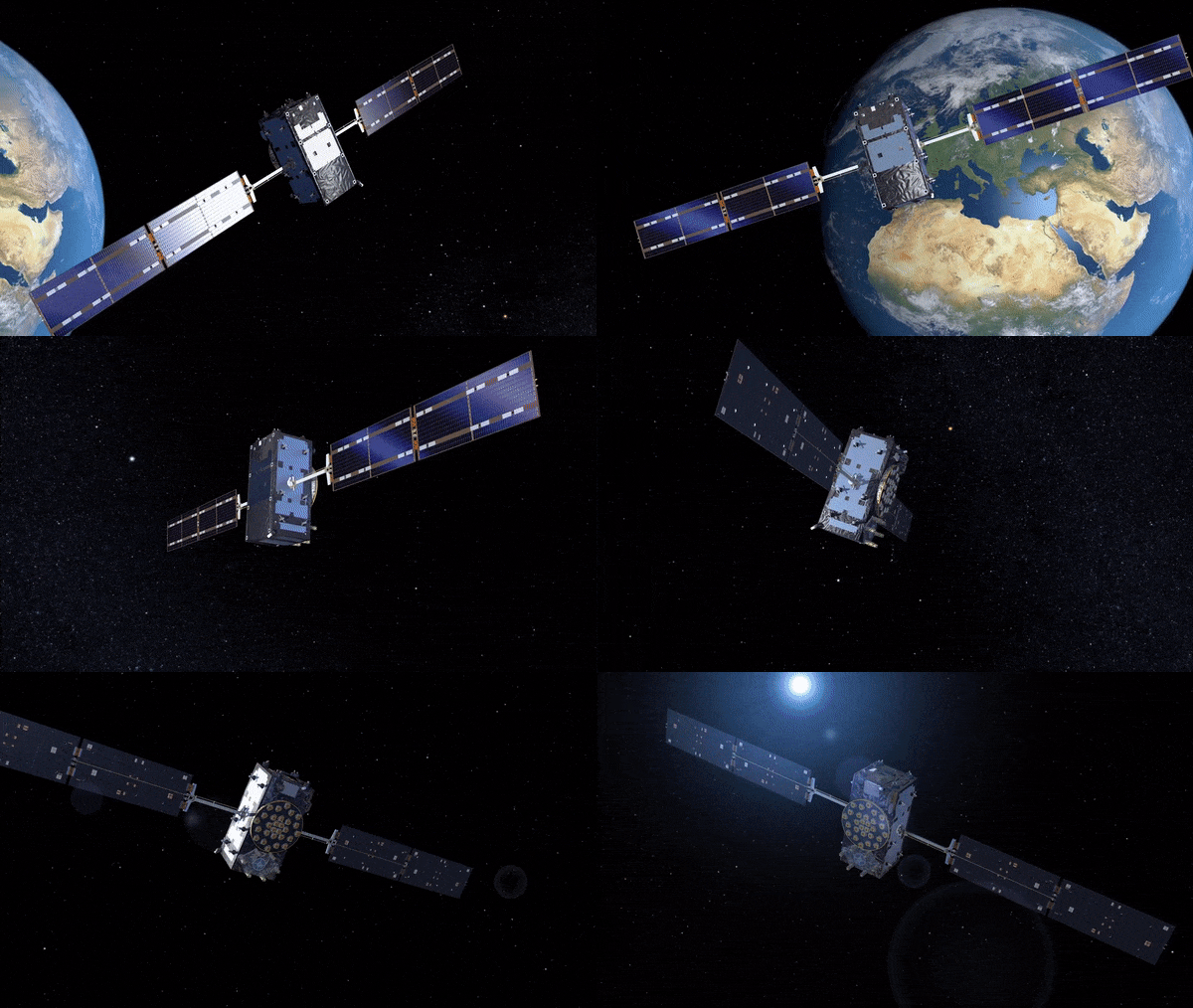
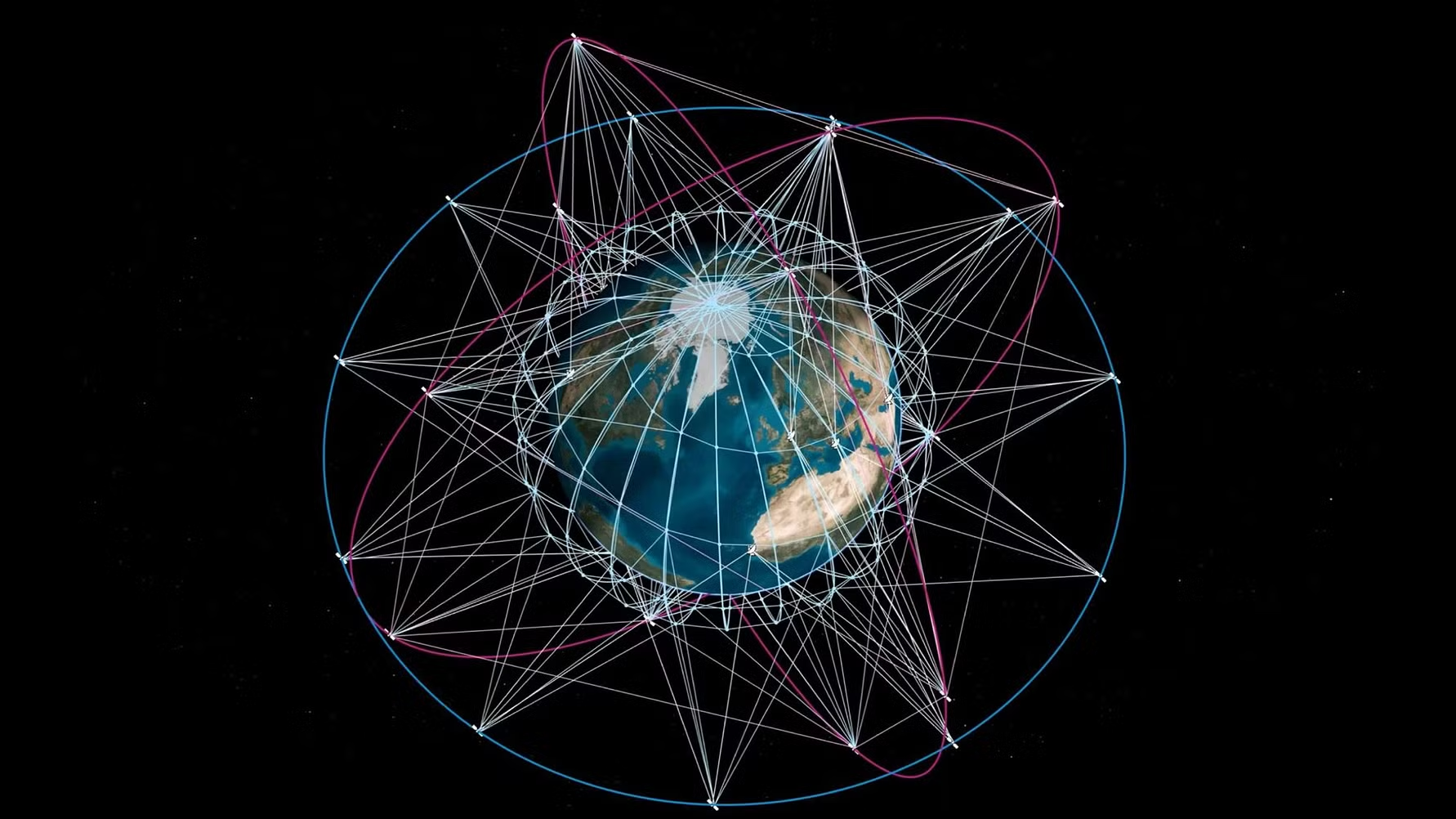
ESA’s Navigation Directorate is planning a new satellite whose results will enable the generation of an updated global model of Earth – the International Terrestrial Reference Frame, employed for everything from land surveying to measuring sea level rise – with an accuracy down to 1 mm, while tracking ground motion of just 0.1 mm per year. This improvement, at a stroke, will have a major impact in multiple navigation and Earth science applications, including enhancing the precision of the Galileo navigation system. This mission, called GENESIS, is being proposed to ESA’s Council Meeting at Ministerial Level next
Relativity Space expands engine test facilities at Stennis
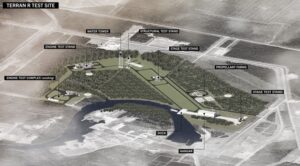
Launch vehicle developer Relativity Space will expand its engine test site at NASA’s Stennis Space Center, the second company in as many months to announce new or expanded facilities there.
The post Relativity Space expands engine test facilities at Stennis appeared first on SpaceNews.
Twin tail revealed in new Hubble image of Didymos-Dimorphos system following DART impact
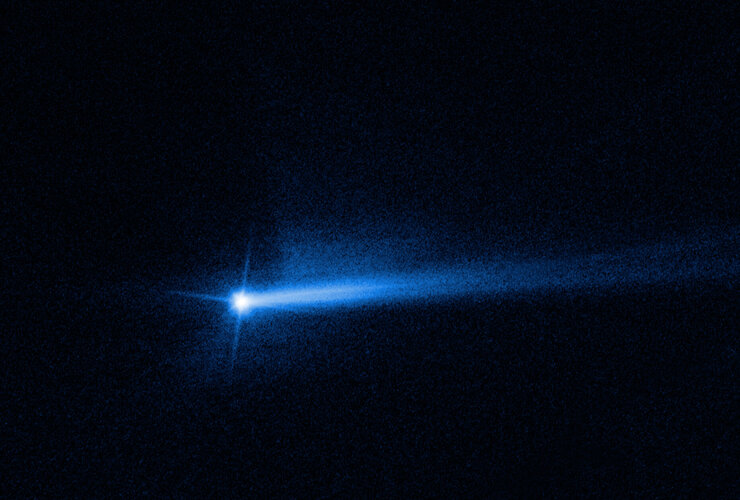 Image:
Hubble follow-up of DART impact
Image:
Hubble follow-up of DART impact Webb uncovers dense cosmic knot in the early Universe
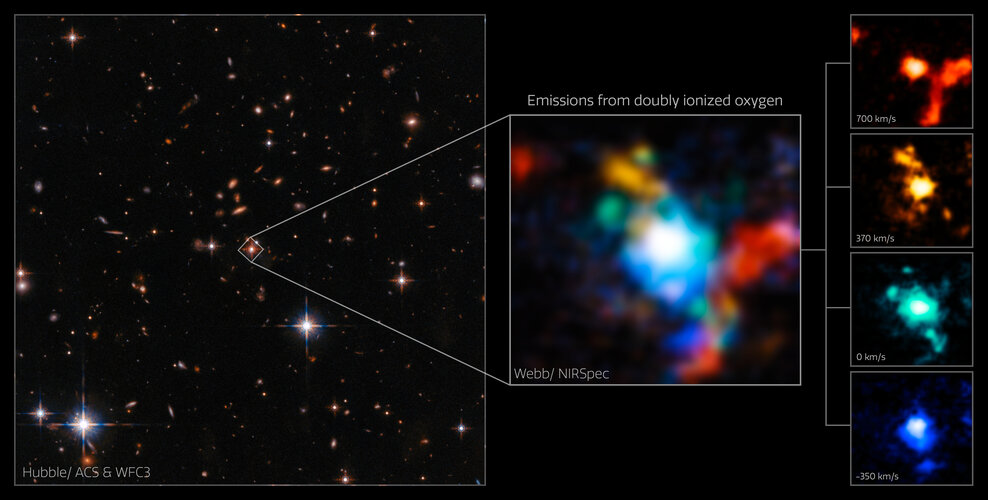
Astronomers looking into the early Universe have made a surprising discovery using the NASA/ESA/CSA James Webb Space Telescope. Webb’s spectroscopic capabilities, combined with its infrared sensitivity, have uncovered a cluster of massive galaxies in the process of formation around an extremely red quasar. The result will expand our understanding of how galaxies in the early Universe coalesced into the cosmic web we see today.
Shadow hunters capture Didymos asteroid eclipsing stars
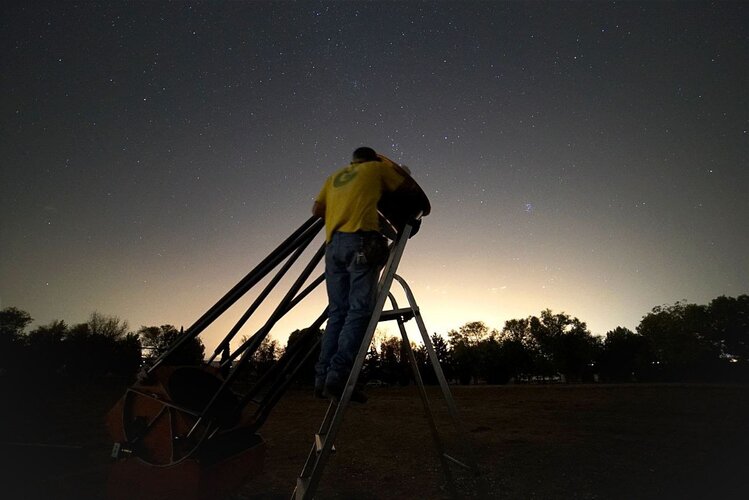
After months of effort, astronomers have succeeded in capturing the momentary shadow cast by the Didymos asteroid, from tens of million km away as it passed in front of far-distant stars – a feat of observation only made possible when both the trajectory of the asteroid and the precise location of the stars are known. Even in that case, to have a chance of success, several observers had to be placed in meticulously predicted locations across the path of the shadow, to glimpse the fleeting fading of the star within just a fraction of a second.
Info session from the ESA Council meeting
 Video:
00:31:00
Video:
00:31:00
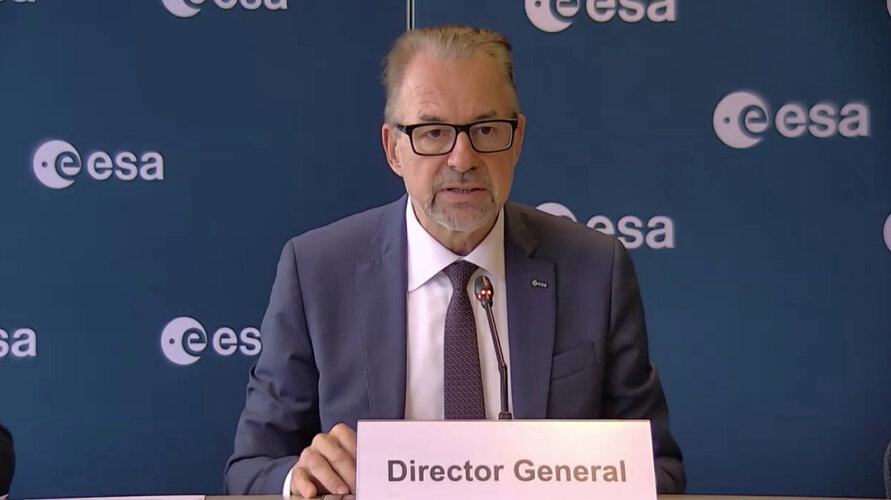
Watch the replay of our Q&A with the media to learn about the outcomes of the 310th session of the ESA Council. Updates are provided on the ambitious package presented by ESA for the 22/23 November ESA Ministerial Meeting in Paris, but also on the further expansion of ESA memberships, the future of ExoMars, Space Transportation and the overall, delicate economic situation.
Ariane-6 stands tall on its launch pad
 The Ariane 6 launch pad at Europe's Spaceport in French Guiana now hosts for the first time a fully assembled example of ESA's new heavy-lift rocket, following the addition of an upper composite to the core stage and four boosters already in place. The upper composite - consisting of two half-fairings and a payload mock-up with the structural adapter needed to join it to the core stage - made th
 NASA to resume spacewalks after investigation into 'close call'
 NASA has approved resumption of routine spacewalks outside the International Space Station after a seven-month pause and after finishing an October flight readiness review.
The review was the last step in an investigation into a "close call" on a spacewalk in March.
Three spacewalks are planned, beginning sometime in mid-November, to work on installation of roll out solar arrays
NASA has approved resumption of routine spacewalks outside the International Space Station after a seven-month pause and after finishing an October flight readiness review.
The review was the last step in an investigation into a "close call" on a spacewalk in March.
Three spacewalks are planned, beginning sometime in mid-November, to work on installation of roll out solar arrays How scientist monitored and early warned potential hazardous near-earth asteroids
 An enormous number of near-Earth asteroid (NEA) orbit around the Sun, and among them 2072 NEAs, which are recorded in the Minor Planet Center (MPC) database, belong to the class of potential hazardous near-Earth asteroids (PHAs). These PHAs frequently make close approaches to Earth's orbit, and therefore, the hazard caused by PHAs is still a very real and ever-present threat. Faced with potentia