Astronomers detect signs of an atmosphere stripped from a planet during giant impact
 Young planetary systems generally experience extreme growing pains, as infant bodies collide and fuse to form progressively larger planets. In our own solar system, the Earth and moon are thought to be products of this type of giant impact. Astronomers surmise that such smashups should be commonplace in early systems, but they have been difficult to observe around other stars.
Now astronom
Young planetary systems generally experience extreme growing pains, as infant bodies collide and fuse to form progressively larger planets. In our own solar system, the Earth and moon are thought to be products of this type of giant impact. Astronomers surmise that such smashups should be commonplace in early systems, but they have been difficult to observe around other stars.
Now astronom DART arrives at Vandenberg for a late November launch
 Just two days after leaving the Johns Hopkins Applied Physics Laboratory (APL) in Laurel, Maryland, in a specialized container carefully strapped to the deck of a semi-trailer truck, NASA's Double Asteroid Redirection Test (DART) spacecraft arrived in California - its final stop here on Earth.
The truck, spacecraft and a small motorcade of APL engineers and technicians pulled into Vandenbe
Just two days after leaving the Johns Hopkins Applied Physics Laboratory (APL) in Laurel, Maryland, in a specialized container carefully strapped to the deck of a semi-trailer truck, NASA's Double Asteroid Redirection Test (DART) spacecraft arrived in California - its final stop here on Earth.
The truck, spacecraft and a small motorcade of APL engineers and technicians pulled into Vandenbe China's lunar samples reveal new type of basalt
 An analysis of moon rocks brought back to Earth by China's Chang'e-5 mission suggests the samples are a new type of lunar basalt, different from those collected during previous Apollo and Luna missions.
Researchers from the National Astronomical Observatories of the Chinese Academy of Sciences (NAOC) analyzed rock particles 10 to 500 microns (a quarter the thickness of a credit card) in si
An analysis of moon rocks brought back to Earth by China's Chang'e-5 mission suggests the samples are a new type of lunar basalt, different from those collected during previous Apollo and Luna missions.
Researchers from the National Astronomical Observatories of the Chinese Academy of Sciences (NAOC) analyzed rock particles 10 to 500 microns (a quarter the thickness of a credit card) in si China's Chang'e-5 mission offers new insights into evolution of Moon
 Chinese researchers have studied the lunar samples brought back by the Chang'e-5 mission and dated the youngest rock on the Moon at around 2 billion years in age, extending the "life" of lunar volcanism 800-900 million years longer than previously known.
The study, conducted mainly by a research team at the Institute of Geology and Geophysics (IGG), Chinese Academy of Sciences (CAS), was p
Chinese researchers have studied the lunar samples brought back by the Chang'e-5 mission and dated the youngest rock on the Moon at around 2 billion years in age, extending the "life" of lunar volcanism 800-900 million years longer than previously known.
The study, conducted mainly by a research team at the Institute of Geology and Geophysics (IGG), Chinese Academy of Sciences (CAS), was p NEID Spectrometer Lights Up Path to Exoplanet Exploration
 As NASA expands its quest to discover exoplanets - planets beyond our solar system - it also grows its toolbox. Over the summer, a new tool called NEID (pronounced NOO-id) delivered its first batch of data on the nearest and best-studied star, our Sun.
The NEID spectrometer, which will help locate and characterize new worlds, observes the sky from Kitt Peak National Observatory in Arizona.
As NASA expands its quest to discover exoplanets - planets beyond our solar system - it also grows its toolbox. Over the summer, a new tool called NEID (pronounced NOO-id) delivered its first batch of data on the nearest and best-studied star, our Sun.
The NEID spectrometer, which will help locate and characterize new worlds, observes the sky from Kitt Peak National Observatory in Arizona. China may boost accuracy of its hypersonic weapons via AI technology
 Chinese PLA researchers are reportedly seeking to improve the accuracy of the country's hypersonic delivery systems via artificial intelligence, according to the South China Morning Post.
Chinese Foreign Ministry spokesman Zhao Lijian on Monday refuted a report by the Financial Times saying that the country conducted a hypersonic missile test in August. First, it was not a missile but a sp
Chinese PLA researchers are reportedly seeking to improve the accuracy of the country's hypersonic delivery systems via artificial intelligence, according to the South China Morning Post.
Chinese Foreign Ministry spokesman Zhao Lijian on Monday refuted a report by the Financial Times saying that the country conducted a hypersonic missile test in August. First, it was not a missile but a sp From Polar Bears to Polar Orbits
 Alaska is known for its polar bears, rugged landscapes, expansive areas and remoteness. Alaska is not the first place people envision when they think of rocket launches. However, Alaska is one of four locations in the United States that allow a rocket launch into polar orbit.
In fact, the Pacific Spaceport Complex-Alaska ("PSCA") operated by Alaska Aerospace Corporation has been launching
Alaska is known for its polar bears, rugged landscapes, expansive areas and remoteness. Alaska is not the first place people envision when they think of rocket launches. However, Alaska is one of four locations in the United States that allow a rocket launch into polar orbit.
In fact, the Pacific Spaceport Complex-Alaska ("PSCA") operated by Alaska Aerospace Corporation has been launching Galileo: the first ten years
 Video:
00:01:25
Video:
00:01:25
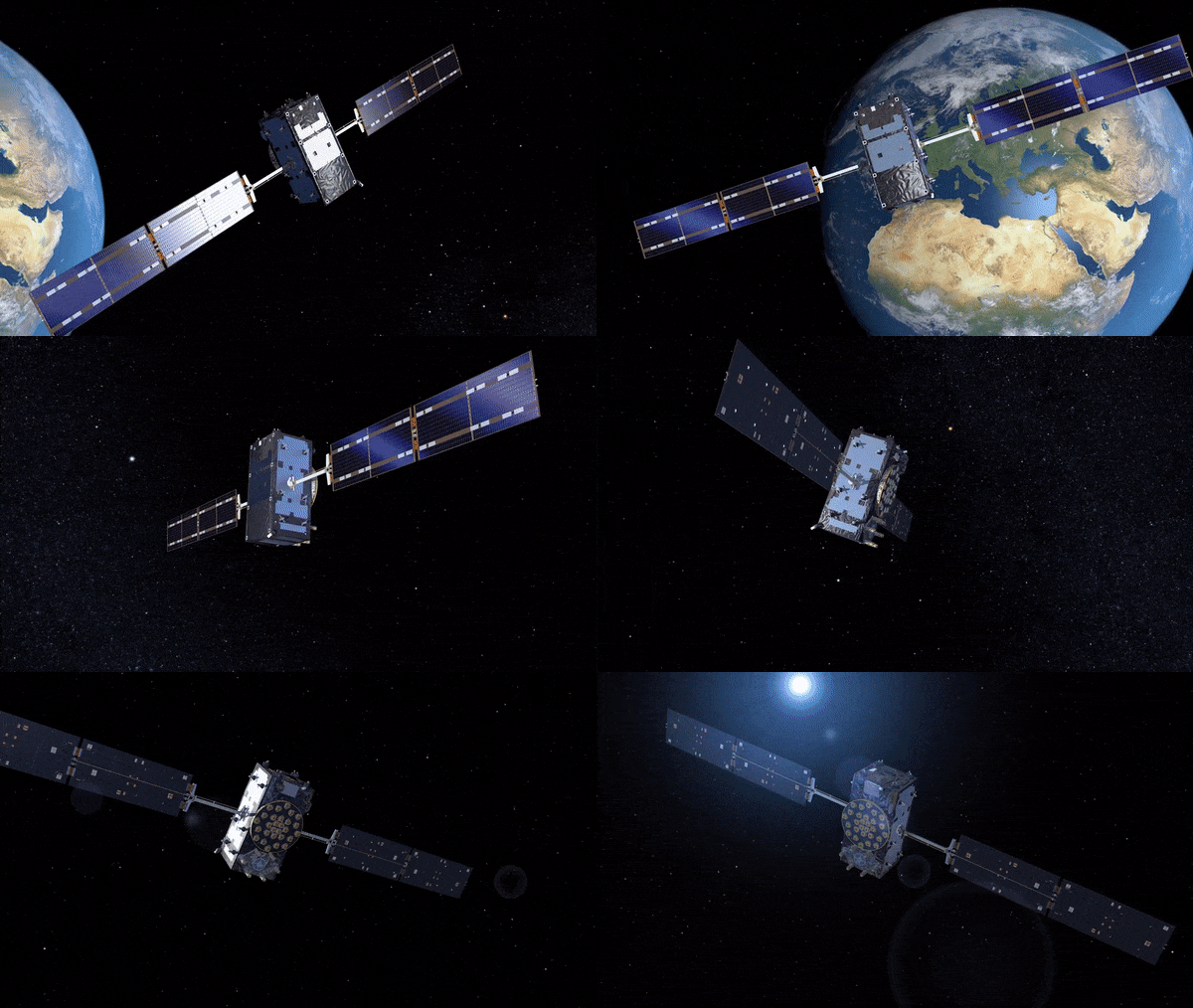
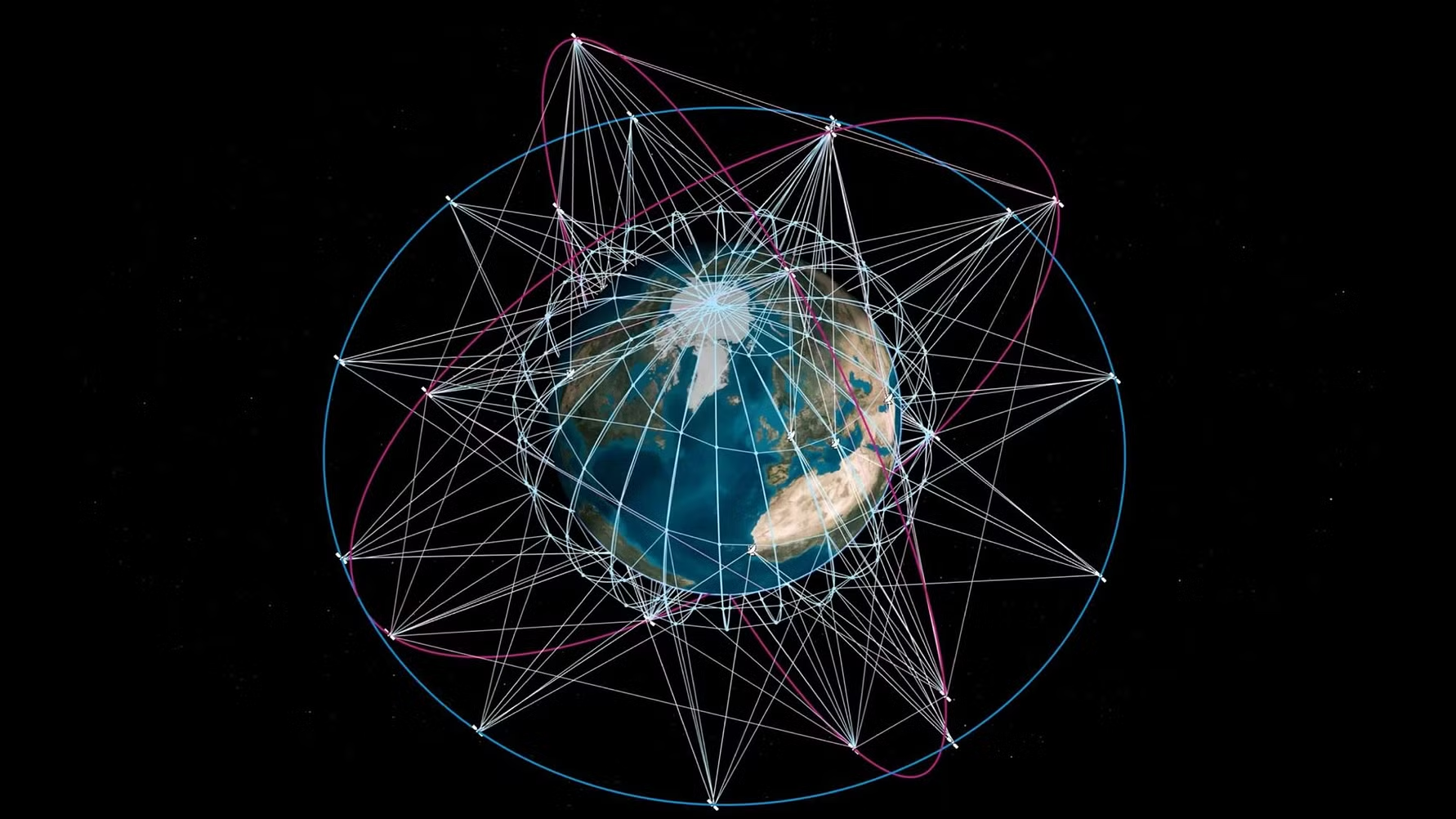
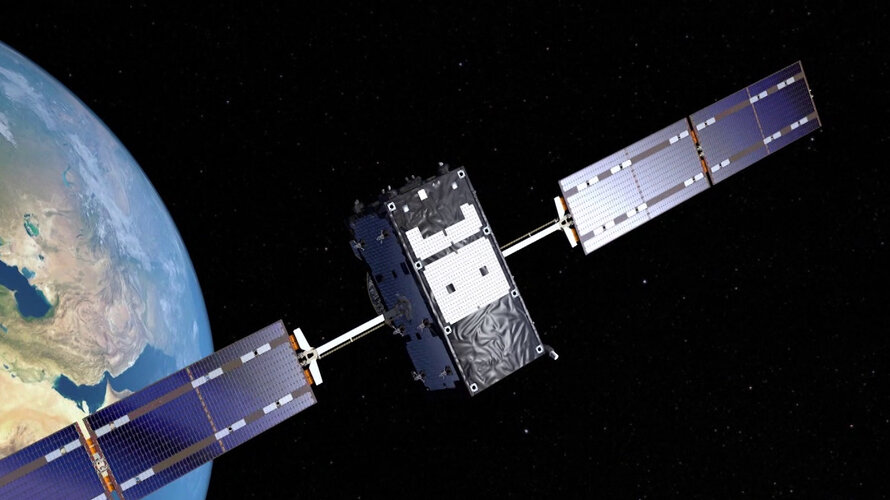
Europe’s own satellite navigation system, Galileo, has become the world’s most precise, delivering metre-level accuracy, available anywhere on Earth. It is also saving lives, relaying distress calls for search and rescue. Today there are 26 Galileo satellites in orbit 23 222 km over our heads; the first of them were launched on 21 October 2011, with nine more launches in the following years. The satellites in space are supported by a globe-spanning ground segment. The system as a whole is set to grow, with the first of 12 ‘Batch 3’ about to join the current satellites in
South Korea’s 1st homegrown space rocket reaches space but fails to orbit dummy payload
“The flight of Nuri was completed. I’m very proud of this. Regrettably, it didn’t reach the goal it aimed at,” South Korean President Moon Jae-in announced at Naro Space Center, where the three-stage KSLV-2 rocket, also known as Nuri, lifted off Oct.
NASA starts process to acquire more commercial crew missions
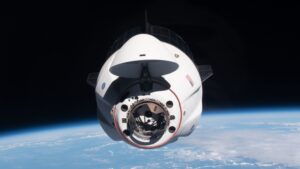
NASA is beginning the process to procure more commercial crew flights as it looks to extend the International Space Station through the end of the decade, including the opportunity for new entrants to join the program.