The Moon in better sight
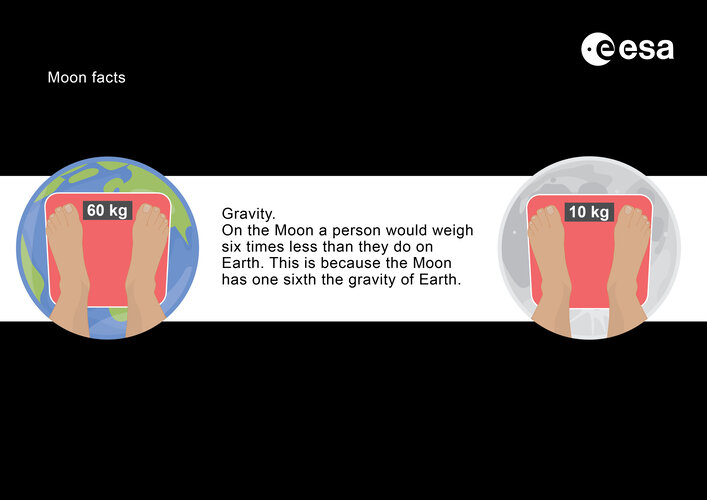
People with sight loss and sensory disabilities often experience problems seeking information online. ESA is bringing the Moon closer to them with a more accessible series of infographics.
NASA’s Lucy Mission Prepares for Launch to Trojan Asteroids
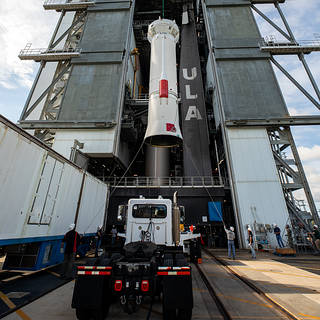 NASA has tested the functions of Lucy, the agency’s first spacecraft to study Jupiter’s Trojan asteroids, filled it with fuel, and is preparing to pack it into a capsule for launch Saturday, Oct. 16.
 Capella expands staff focused on U.S. Goverment sales and service
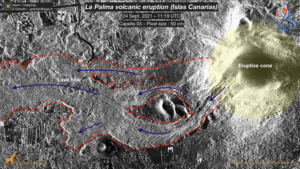
Capella Space named Amy Hopkins, former Boeing Phantom Works Strategy Director, as its first vice president and general manager of U.S. Government Services.
Slingshot launches interactive tool to make the complexities of space more accessible
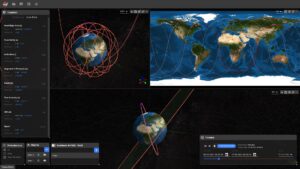
An interactive simulation of the space environment developed by Slingshot Aerospace for military satellite operators is now being offered commercially, the company announced Sept. 29.
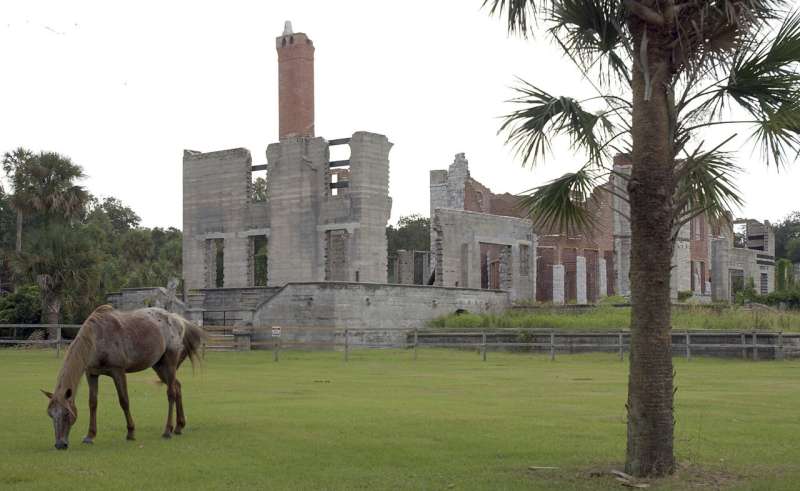
FAA again delays final decision on Georgia spaceport permit
FAA clears Virgin Galactic to resume SpaceShipTwo flights
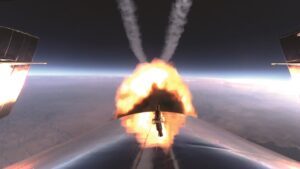
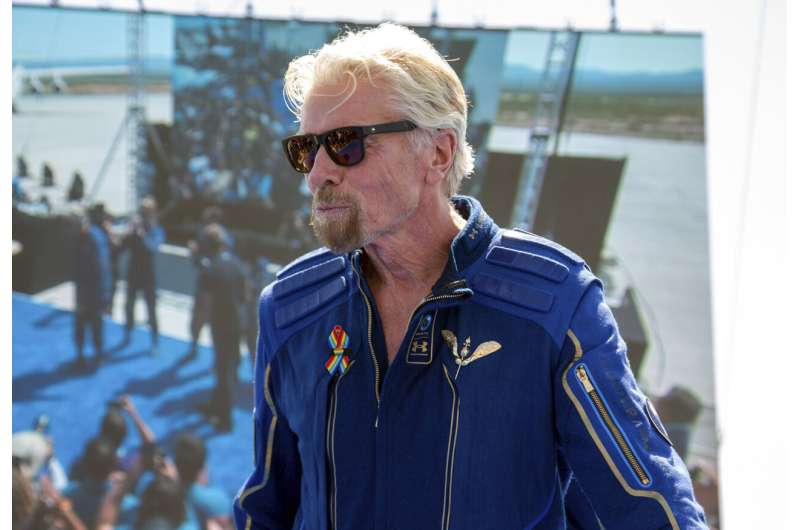
The FAA said Sept. 29 that it completed its investigation into a problem on Virgin Galactic’s most recent SpaceShipTwo flight, allowing the company to resume flights of the suborbital spaceplane.
U.S. Space Command official calls for public-private effort to avert war in space
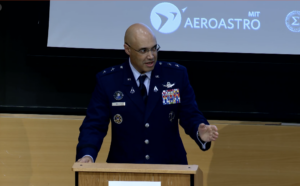
The U.S. needs better capabilities to monitor adversaries’ activities in space and has to quickly deploy satellite constellations that can survive in a conflict, said Maj. Gen. David Miller, of U.S.
The spectrum of gravitational waves
 Image:
Gravitational waves are ripples in spacetime produced by the acceleration of very massive objects, such as black holes coming together and merging. Different objects in space produce gravitational waves of different timescales, ranging from milliseconds to billions of years. Some of these waves can only be observed from space.
This is the goal of ESA’s future mission LISA, which will be the first space-based gravitational wave observatory.
LISA will study gravitational waves that are produced by merging stellar mass black holes, supermassive black holes and white dwarfs. It will also pick up the waves produced by compact objects, like neutron stars
Virgin Galactic says FAA has cleared it for further flights
Aerosols released from Australian bushfires triggers algal blooms
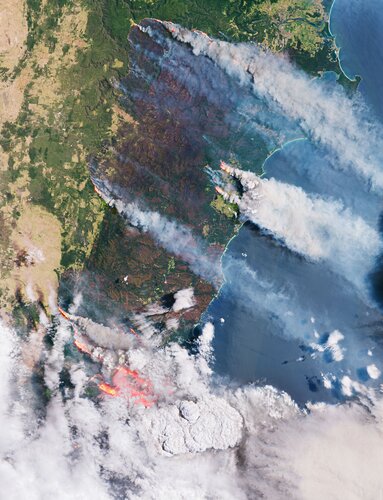
Australia’s deadly bushfires in the 2019-2020 season generated 700 million tonnes of carbon dioxide in the atmosphere – triggering vast algal blooms in the Southern Ocean. Using satellite data, two new studies published in Nature prove how satellites can illuminate the complicated ways in which Earth is responding to climate change in an era of worsening wildfires.