

Satellite propulsion startup Benchmark eyes growth in military market
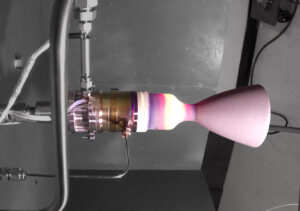
Small satellite propulsion suppliers see opportunities in the military market as the Pentagon shifts focus to smallsats.
Launch companies optimistic about future demand
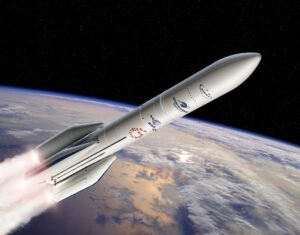
Launch companies that have suffered from flat or declining traditional markets in recent years say they believe a surge of demand, primarily from satellite megaconstellations, will boost their businesses later this decade.
Boeing Q&A: Staying on track despite pandemic disruption

Supply chain constraints threaten to hold back an exuberant satellite market that is rushing to meet surging demand for data, amid a flood of investor capital into satellite projects. SpaceNews interviewed Ryan Reid, president of Boeing Commercial Satellite Systems International, about how the company is managing this juggling act.
Pandemic delaying Rocket Lab launches
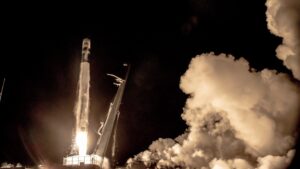
Rocket Lab says lockdowns in New Zealand caused by the latest surge of the coronavirus pandemic will postpone launches to at least October and cut its projected revenues for the year.
Xenesis and MBS Lab forge pact to test optical communications
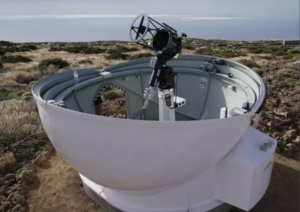
Optical communications startup Xenesis signed a memorandum of understanding with MBS Lab, the research group for Germany’s Media Broadcast Satellite, Germany’s largest teleport operator.
Satcom executives see growing military demand for more secure, mobile equipment
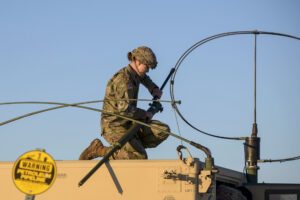
The U.S. military is demanding more advanced technologies to protect its tactical communications systems from sophisticated electronic attacks.
Satellite in sun's backyard unravels the origins of interplanetary dust
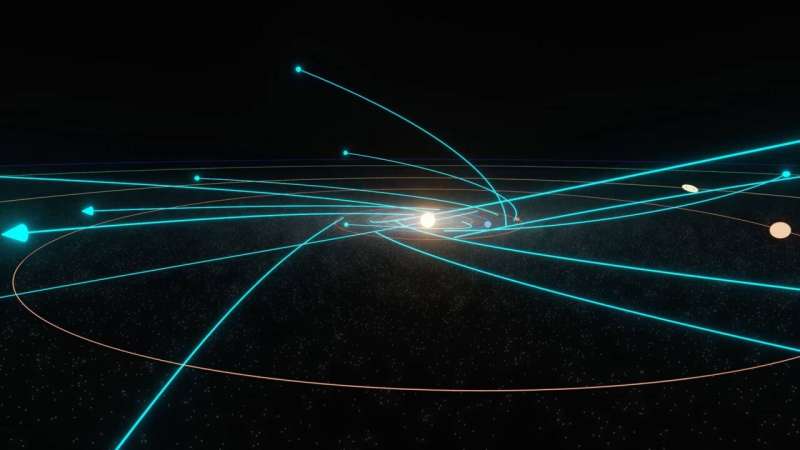
What do shooting stars and astronaut safety have in common?
Both stem from the sub-microscopic rock fragments found throughout the solar system, sometimes called interplanetary dust.
When these particles collide with Earth's atmosphere, they create meteors, better known as shooting stars, as the (usually) microscopic fragments vaporize and leave flaming trails through the air. When they collide with astronauts, they can puncture holes in space suits—or worse. Understanding the sources and patterns of this interplanetary dust is therefore very important to NASA, as it plans for missions to the moon, Mars and beyond.
During its revolutions around the sun, the Parker Solar Probe spacecraft, the mission going closer to the sun than anything in spacefaring history, is bombarded by these dust particles. When crashing onto the spacecraft, the tiny grains—some as small as a ten-thousandth of a millimeter across—vaporize and release a cloud of electrically charged particles that can be detected by FIELDS, a suite of instruments designed to detect electric and magnetic fields.
A pair of papers publishing this week in The Planetary Science Journal use FIELDS data to take an up-close look at the "zodiacal cloud," the collective term for these tiny particles.
VP wants more diversity in the National Space Council’s industry advisory group

A notice could appear in the Federal Register as early as next week seeking nominations for the National Space Council’s industry advisory group, the council’s executive secretary Chirag Parikh said Sept.
Fostering diversity and inclusion takes work

Attracting and retaining a diverse workforce requires organizations to adopt a proactive approach, according to panelists at the Satellite 2021 conference.
China launches ChinaSat-9B broadcast satellite
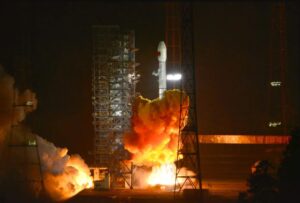
China conducted its 33rd launch of 2021 early Thursday, successfully sending the ChinaSat-9B communications satellite into geosynchronous transfer orbit.


