

Friday, 29 March 2024 08:00
Earth from Space: The Amazon plume
 Image:
The Copernicus Sentinel-3 mission takes us over northern Brazil, where the Amazon River meets the Atlantic Ocean.
Image:
The Copernicus Sentinel-3 mission takes us over northern Brazil, where the Amazon River meets the Atlantic Ocean.
Published in
News
Friday, 29 March 2024 21:03
Technical setback delays launch of final Delta IV Heavy
Space Coast FL (SPX) Mar 29, 2024
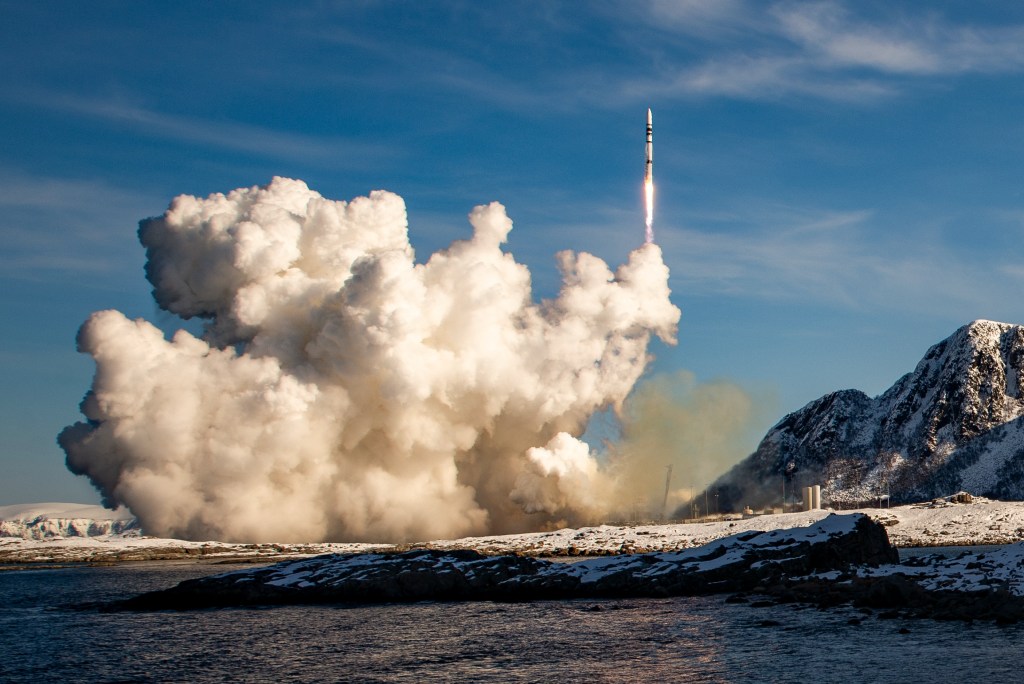
 Launch of the final Delta IV Heavy has been delayed until further notice. An issue with a liquid pump in the gaseous nitrogen pipeline, crucial for providing pneumatic pressure to the launch vehicle's systems, led to the postponement.
The anomaly prompted a meticulous troubleshooting process by the United Launch Alliance (ULA) team. Work to diagnose and rectify the issue is underway to ens
Launch of the final Delta IV Heavy has been delayed until further notice. An issue with a liquid pump in the gaseous nitrogen pipeline, crucial for providing pneumatic pressure to the launch vehicle's systems, led to the postponement.
The anomaly prompted a meticulous troubleshooting process by the United Launch Alliance (ULA) team. Work to diagnose and rectify the issue is underway to ens
Launch of the final Delta IV Heavy has been delayed until further notice. An issue with a liquid pump in the gaseous nitrogen pipeline, crucial for providing pneumatic pressure to the launch vehicle's systems, led to the postponement.
The anomaly prompted a meticulous troubleshooting process by the United Launch Alliance (ULA) team. Work to diagnose and rectify the issue is underway to ens
Published in
News
Friday, 29 March 2024 13:10
Week in images: 25-29 March 2024
Week in images: 25-29 March 2024
Discover our week through the lens
Published in
News
Friday, 29 March 2024 13:39
Boeing’s satellite business zeroes in on military opportunities


Published in
News
Friday, 29 March 2024 20:17
SKY Perfect JSAT hunting for more early-stage space opportunities


Published in
News
Friday, 29 March 2024 19:30
Senate bills seek to reform commercial space regulations


Published in
News

Friday, 29 March 2024 16:37
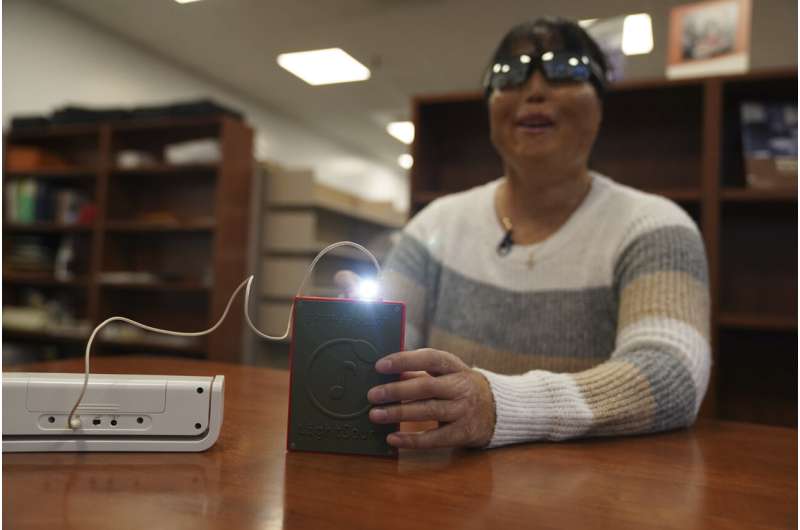
Blind people can hear and feel April's total solar eclipse with new technology
Published in
News
Friday, 29 March 2024 16:35
Mapping the best route for a spacecraft traveling beyond the sun's sphere of influence
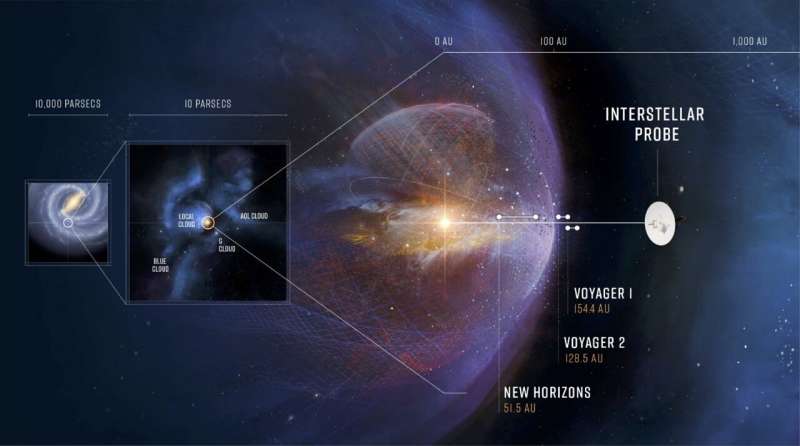
The heliosphere—made of solar wind, solar transients, and the interplanetary magnetic field—acts as our solar system's personal shield, protecting the planets from galactic cosmic rays. These extremely energetic particles accelerated outwards from events like supernovas and would cause a huge amount of damage if the heliosphere did not mostly absorb them.
Currently, the scientific community cannot reach a consensus on the boundaries or contours of this protected space, and they're exploring mission concepts for an interstellar probe that travels beyond the sun's sphere of influence to answer these questions.
Published in
News