Media invitation: Last chance to see Arctic Weather Satellite
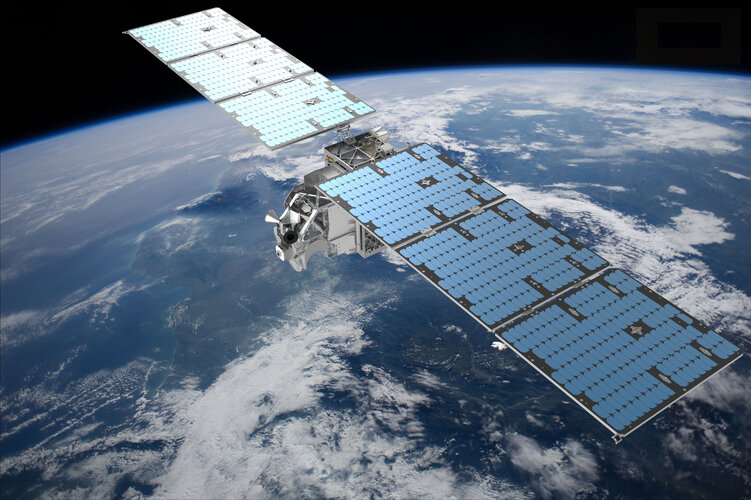
Call for media: Last chance to see Arctic Weather Satellite
Connecting Ariane 6 upper and core stage
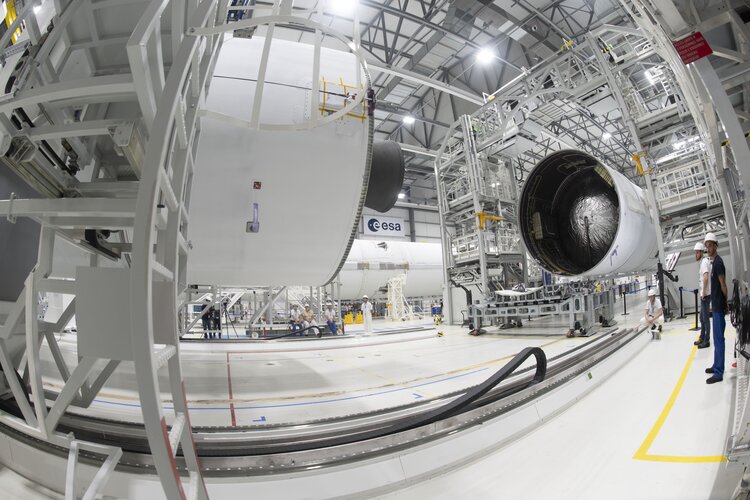 Image:
Connecting Ariane 6 upper and core stage
Image:
Connecting Ariane 6 upper and core stage Starship could have a big impact on small launch vehicles


DoD innovation unit to assess Firefly vehicle for missions beyond Earth orbit


Hanwha Phasor aims to release debut multi-orbit terminal this summer


It's time to study lunar lava tubes. Here's a mission that could help
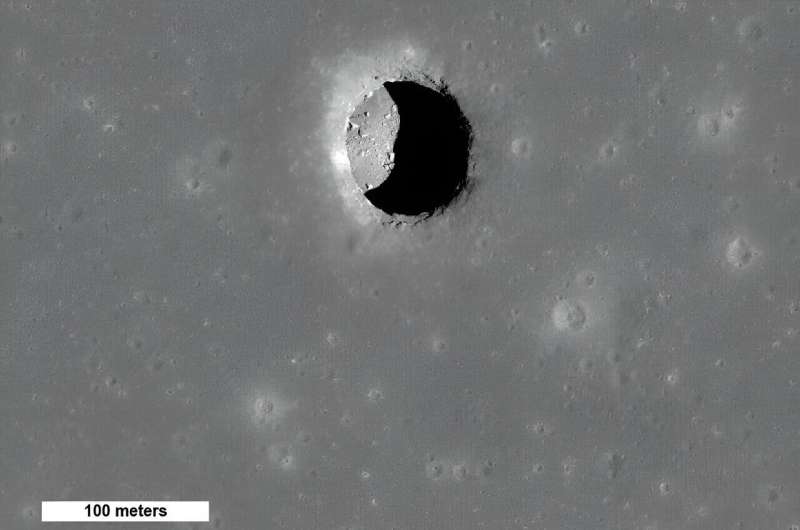
The moon is practically begging to be explored, and the momentum to do so is building. The Artemis Program's effort to return astronauts to the moon for the first time since the Apollo missions captures a lot of attention. But there are other efforts underway.
In 2023, the ESA put out a call for small lunar missions. The call was associated with their Terra Novae exploration program, which will advance the ESA's exploration of the solar system with robotic scouts and precursor missions.
The Mars science helicopter could be an airborne geologist on Mars
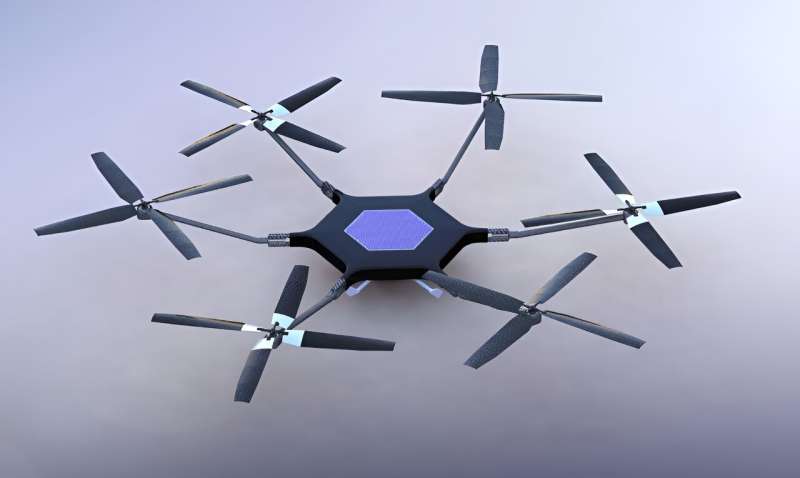
After more than 70 successful flights, a broken rotor ended the remarkable and groundbreaking Ingenuity helicopter mission on Mars. Now, NASA is considering how a larger, more capable helicopter could be an airborne geologist on the Red Planet. For the past several years scientists and engineers have been working on the concept, proposing a six-rotor hexacopter that would be about the size of the Perseverance rover.
Called the Mars Science Helicopter (MSH), it would not only serve as an aerial scout for a future rover, but more importantly, it could also carry up to 5 kg (11 lbs) of science instruments aloft in the thin Martian atmosphere and land in terrain that a rover can't reach.
A new paper presented at the March 2024 Lunar and Planetary Science Conference outlines the geology work that such a helicopter could accomplish.
The paper, "Unraveling the Origin and Petrology of the Martian Crust with a Helicopter," notes there are several outstanding questions about the makeup and history of Mars' surface, especially with recent discoveries of unexpected dichotomies in the composition of basaltic rocks.