NASA's Deep Space Optical Comm demo sends, receives first data
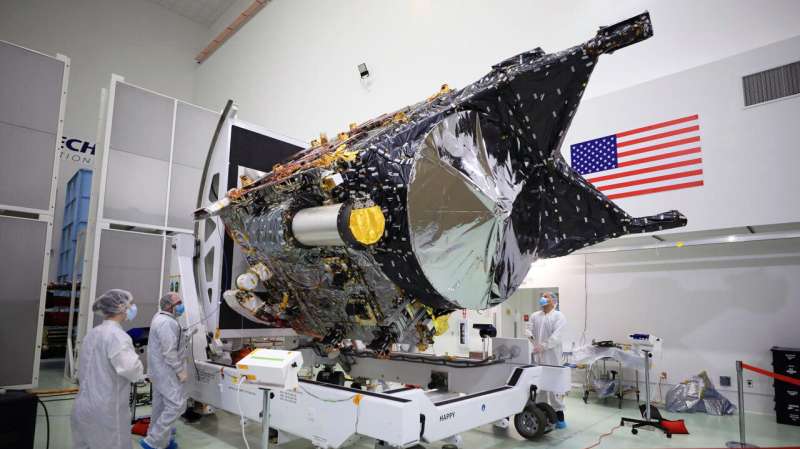
DSOC, an experiment that could transform how spacecraft communicate, has achieved "first light," sending data via laser to and from far beyond the moon for the first time.
NASA's Deep Space Optical Communications (DSOC) experiment has beamed a near-infrared laser encoded with test data from nearly 10 million miles (16 million kilometers) away—about 40 times farther than the moon is from Earth—to the Hale Telescope at Caltech's Palomar Observatory in San Diego County, California.
SpaceX poised for second launch of mega Starship rocket
 SpaceX is poised Saturday for the second test launch of Starship, the largest rocket ever built that Elon Musk hopes will one day colonize Mars, while NASA awaits a modified version to land humans on the Moon.
It comes after a first attempt to fly the spaceship in its fully-stacked configuration back in April ended in a spectacular explosion over the Gulf of Mexico.
SpaceX has insisted t
SpaceX is poised Saturday for the second test launch of Starship, the largest rocket ever built that Elon Musk hopes will one day colonize Mars, while NASA awaits a modified version to land humans on the Moon.
It comes after a first attempt to fly the spaceship in its fully-stacked configuration back in April ended in a spectacular explosion over the Gulf of Mexico.
SpaceX has insisted t Amazon's Project Kuiper completes successful tests of broadband connectivity
 Initial testing of Amazon's Project Kuiper was successful, putting the project on track to begin offering high-speed Internet to select customers next year, the company announced Thursday.
The Protoflight mission launched from Cape Canaveral on Oct. 6, with two test satellites, Kuipersat-1 and Kuipersat-2. The company aims to install 3,236 satellites into low Earth orbit by the end of 2
Initial testing of Amazon's Project Kuiper was successful, putting the project on track to begin offering high-speed Internet to select customers next year, the company announced Thursday.
The Protoflight mission launched from Cape Canaveral on Oct. 6, with two test satellites, Kuipersat-1 and Kuipersat-2. The company aims to install 3,236 satellites into low Earth orbit by the end of 2 

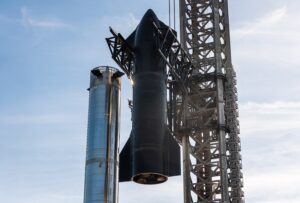
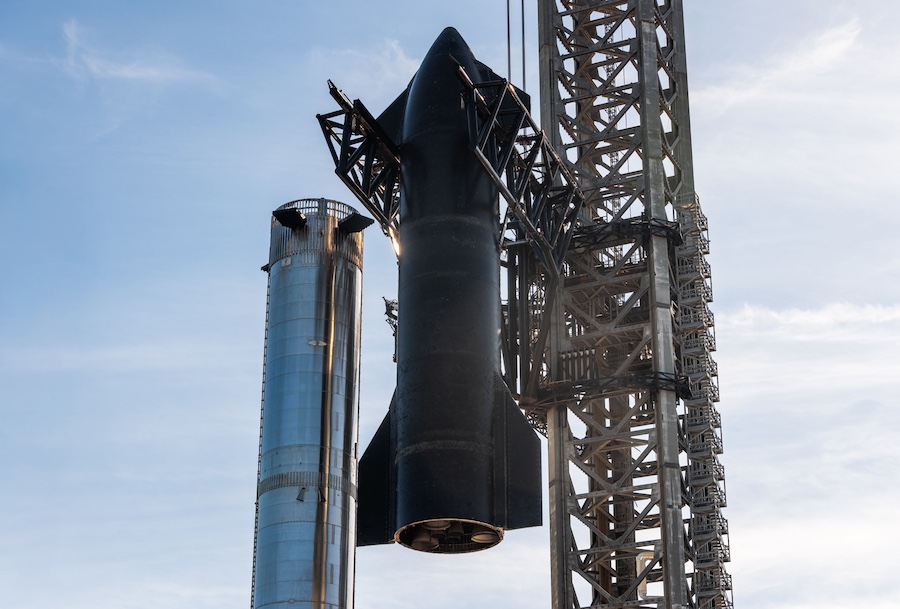
Starship Test Flies Higher: SpaceX Marks Progress Despite Late Test Incident
 SpaceX marked a significant step forward in its ambitious space exploration program with the second test launch of the Starship, the world's largest rocket, designed for missions to Mars and beyond. Although the launch was largely successful, it encountered an issue at the eight-minute mark.
The Starship launch, which took off from SpaceX's Starbase in Boca Chica, Texas, on Saturday at 7:0
SpaceX marked a significant step forward in its ambitious space exploration program with the second test launch of the Starship, the world's largest rocket, designed for missions to Mars and beyond. Although the launch was largely successful, it encountered an issue at the eight-minute mark.
The Starship launch, which took off from SpaceX's Starbase in Boca Chica, Texas, on Saturday at 7:0 

SpaceX launches its giant new rocket but a pair of explosions ends the second test flight
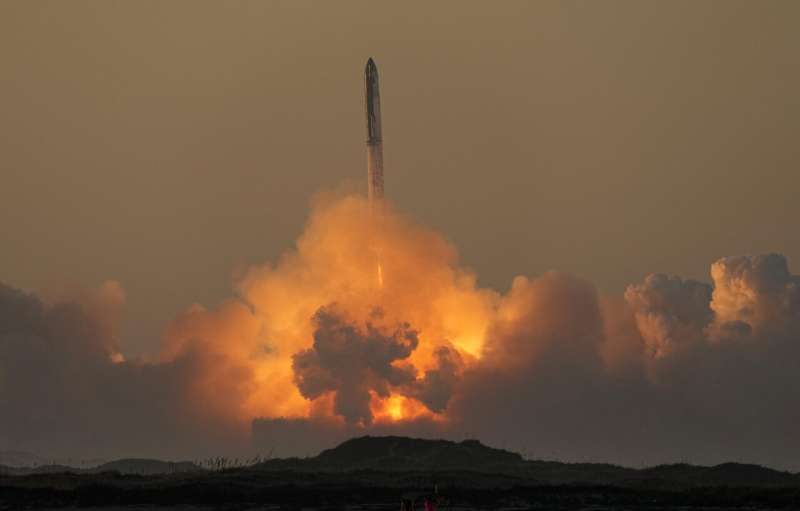
SpaceX launched its mega rocket Starship but lost both the booster and the spacecraft in a pair of explosions minutes into Saturday's test flight.
The rocketship reached space following liftoff from South Texas, but communication suddenly was lost. SpaceX officials said it appears the ship's self-destruct system blew it up over the Gulf of Mexico.
The flight came to an end as the ship's engines were almost done firing to put it on an around-the-world path. The first test flight in April also ended in an explosion.
On Saturday, about three minutes into flight, the separated booster also exploded over the gulf. By then, though, its job was done.
WRC-23: Time to Get the Rules Right for Satellite Broadband


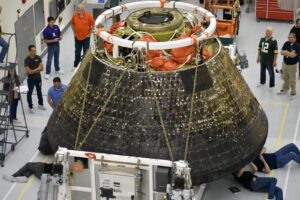
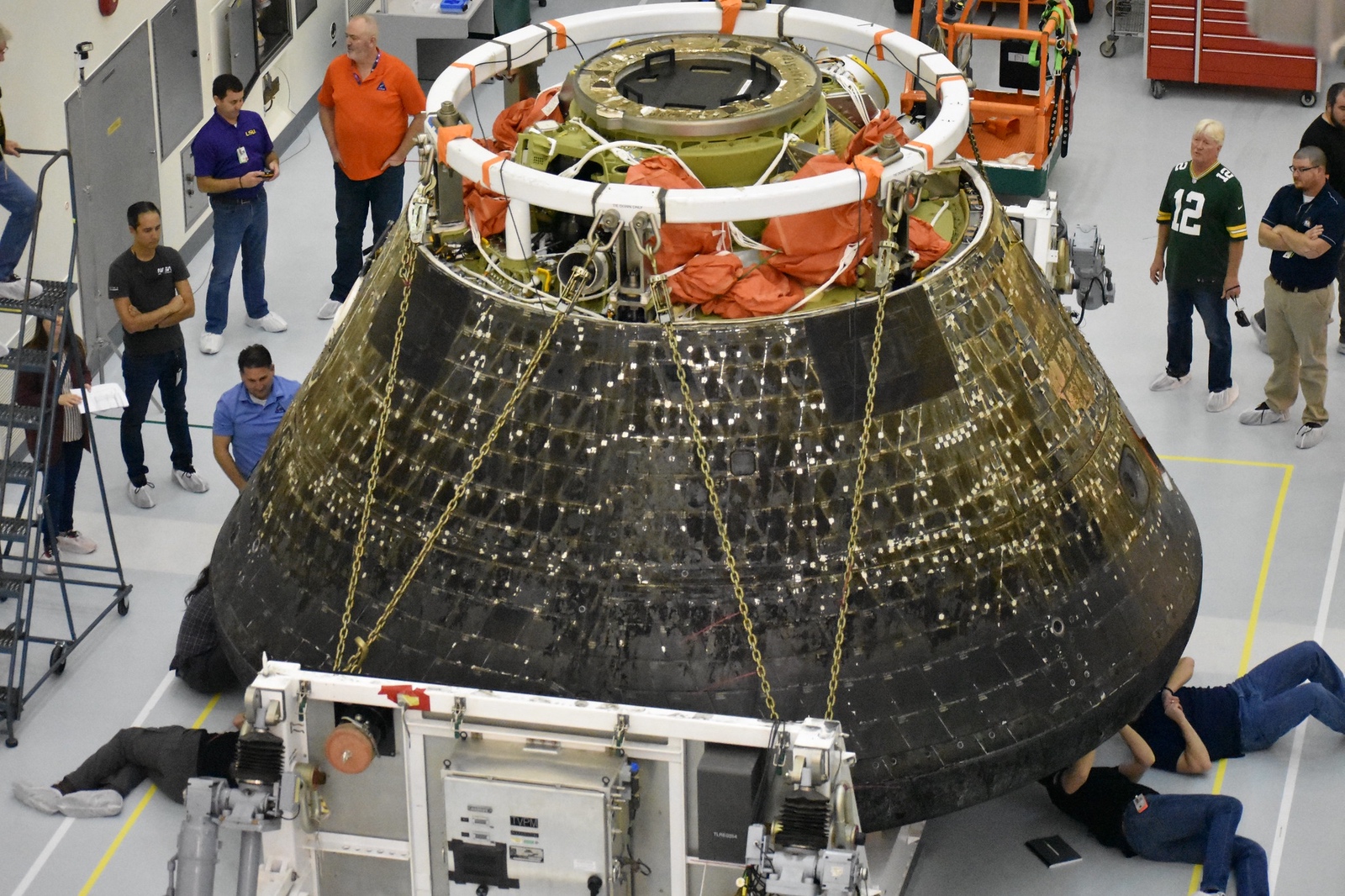
NASA still studying Orion heat shield erosion from Artemis 1