
Quantum Space reveals plan for Scout-1 satellite and Sentry mission
Telespazio buys satellite systems engineering firm to push into UK market
U.S. advisory commission: Intense U.S-China rivalry is ‘the new normal’


Bioengineers send cardiac muscle samples into space to study heart cell biology in microgravity
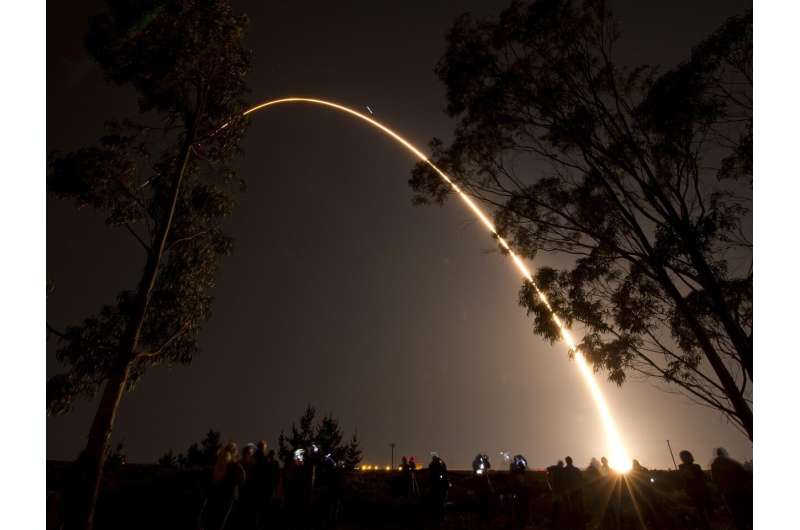
Mount Sinai's Cardiovascular Research Institute is sending bioengineered human heart muscle cells and micro-tissues into space for the first time on NASA's 29th SpaceX commercial resupply services mission, which launched Thursday, November 9. The "SpaceX CRS-29" mission is sending scientific research to the International Space Station (ISS), where the samples will stay for approximately 30 days before returning to Earth.
Through this experiment, Icahn School of Medicine at Mount Sinai researchers aim to gain a better understanding of how cardiac muscle cells, or cardiomyocytes, adapt to extreme biological stresses and how microgravity and other features of space travel impact cardiomyocyte function. The findings will help scientists find better ways to study heart cell biology in future space experiments.
Understanding the capabilities and limitations of such heart cells to survive is not only important for the health of astronauts but also a first step toward future efforts in space-based tissue engineering, organoid fabrication, and bioprinting, which are all important players in the emerging economy of biomanufacturing in the microgravity environment known as low Earth orbit.
Mount Sinai is partnering with Space Tango to run this experiment.
Five ways NASA supercomputing takes missions from concept to reality
Downloading NASA's dark matter data from above the clouds
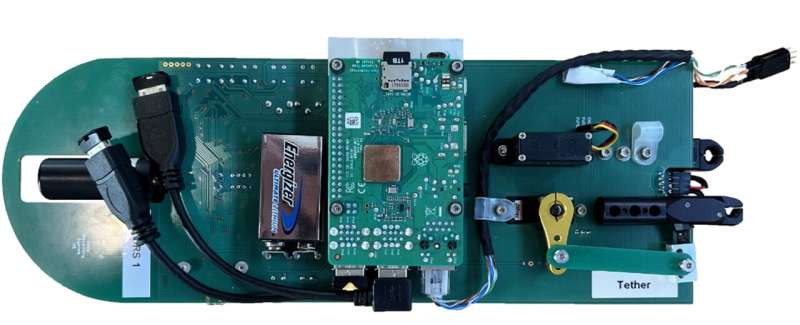
Data from a NASA mission to map dark matter around galaxy clusters has been saved by a new recovery system designed by scientists at the University of Sydney. The system allowed the retrieval of gigabytes of information, even after communication failed and the balloon-based telescope was damaged in the landing process.
In April, the Super Pressure Balloon Imaging Telescope (SuperBIT) was launched from Wānaka Airport, New Zealand, suspended under a helium-filled balloon the size of a sports stadium on top of the Earth's atmosphere, and floated around the world 5.5 times. Unfortunately, it was damaged on landing in southern Argentina the following month.
Separately, two Data Recovery System packages storing more than 200 gigabytes of SuperBIT's information descended by parachute and landed safely, including a map of dark matter around galaxies and stunning photos of space. Dark matter is an invisible substance that has a mass six times greater than regular matter in the universe.
Telesat taps Aalyria to provide network orchestration


European governments and companies seek changes to georeturn