

Updated space safety document outlines rules of the road for avoiding collisions

An updated version of a space safety document endorsed by more than two dozen organizations includes “rules of the road” for avoiding collisions between space objects.
Juice testing – down to the wire
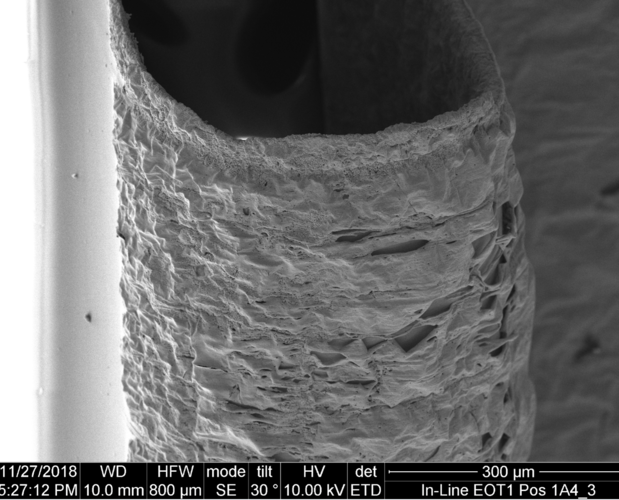 Image:
Juice testing – down to the wire
Image:
Juice testing – down to the wire How Juice was made ready for Jupiter
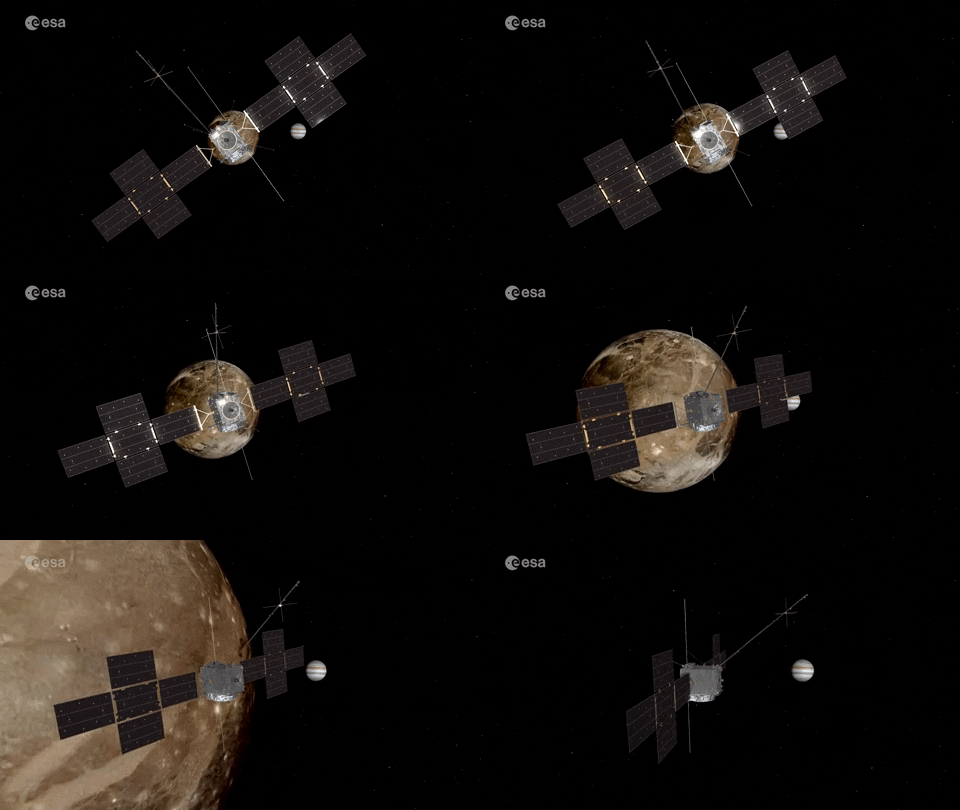
Deciding to go to Jupiter was the easy part: it’s by far the largest planet around the Sun, resembling a Solar System in its own right with its many moons, three of which may well be home to hidden oceans beneath their icy surfaces. Then came the practical question: how do we actually put together a mission to go there? It was here that ESA’s Directorate of Technology, Engineering and Quality lent its support to the Juice team, tackling numerous technical challenges that threatened to bar Europe’s way to the king of planets.
Improving astronaut vision in long-haul space flights
Space Force embraces unconventional ways to attract and retain talent

As the smallest branch of the U.S.
Dawn flies rocket-powered spaceplane

Dawn Aerospace completed its first series of rocket-powered flights last week of the Mk-II Aurora spaceplane.
The post Dawn flies rocket-powered spaceplane appeared first on SpaceNews.
Juice mission to Jupiter testing—down to the wire
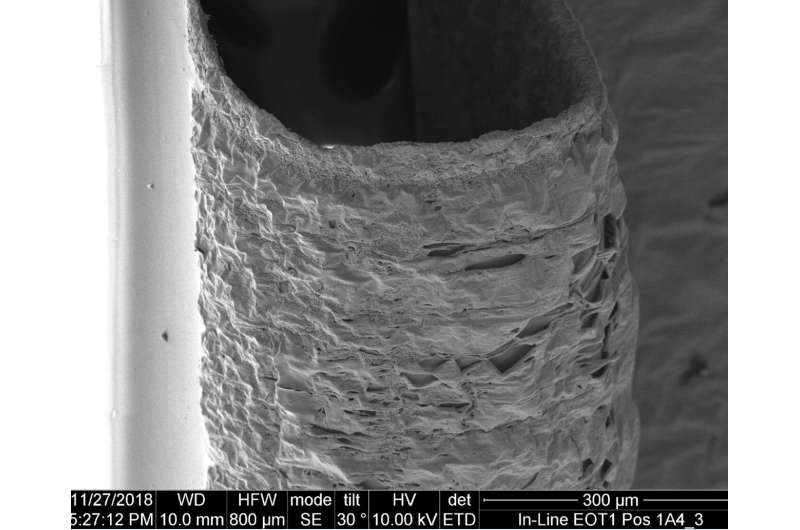
Preparing the Juice mission to Jupiter has involved testing for all kinds of contingencies, down to the smallest of scales. This microscopic view shows surface damage to a tiny silver interconnector after being exposed to erosive atomic oxygen known to be found surrounding Jupiter's moon Ganymede.
Due to launch on April 13 to begin an eight-year journey to the largest planet in the solar system, ESA's Jupiter Icy Moons Explorer, Juice, will spend three and a half years in the Jupiter system, and in the final phase of its exploration will go into orbit around the largest Jovian moon, Ganymede.
However, previous observations by the Hubble Space Telescope have revealed auroral glows around Ganymede due to the presence of 'atomic oxygen'—individual atoms of oxygen at the fringes of the moon's scanty atmosphere, the result of standard oxygen molecules being broken apart by the powerful radiation belts surrounding Jupiter.
ESA materials engineer Adrian Tighe explains, "Atomic oxygen is also experienced in Earth orbit, due to oxygen molecules being dissociated by ultraviolet radiation from the Sun, and all Earth-orbiting missions below about 1000 km altitude are designed to resist it.
NASA Earth science hosted payload set for launch on Intelsat satellite

The upcoming launch of a NASA Earth science instrument on a commercial communications satellite illustrates the promise of, but also the problems with, hosted payloads.
Space Development Agency’s first satellite launch hailed as model

The successful launch of Tranche 0 satellites took place 27 months after SDA, an agency under the U.S.
Jupiter’s radiation belts – and how to survive them
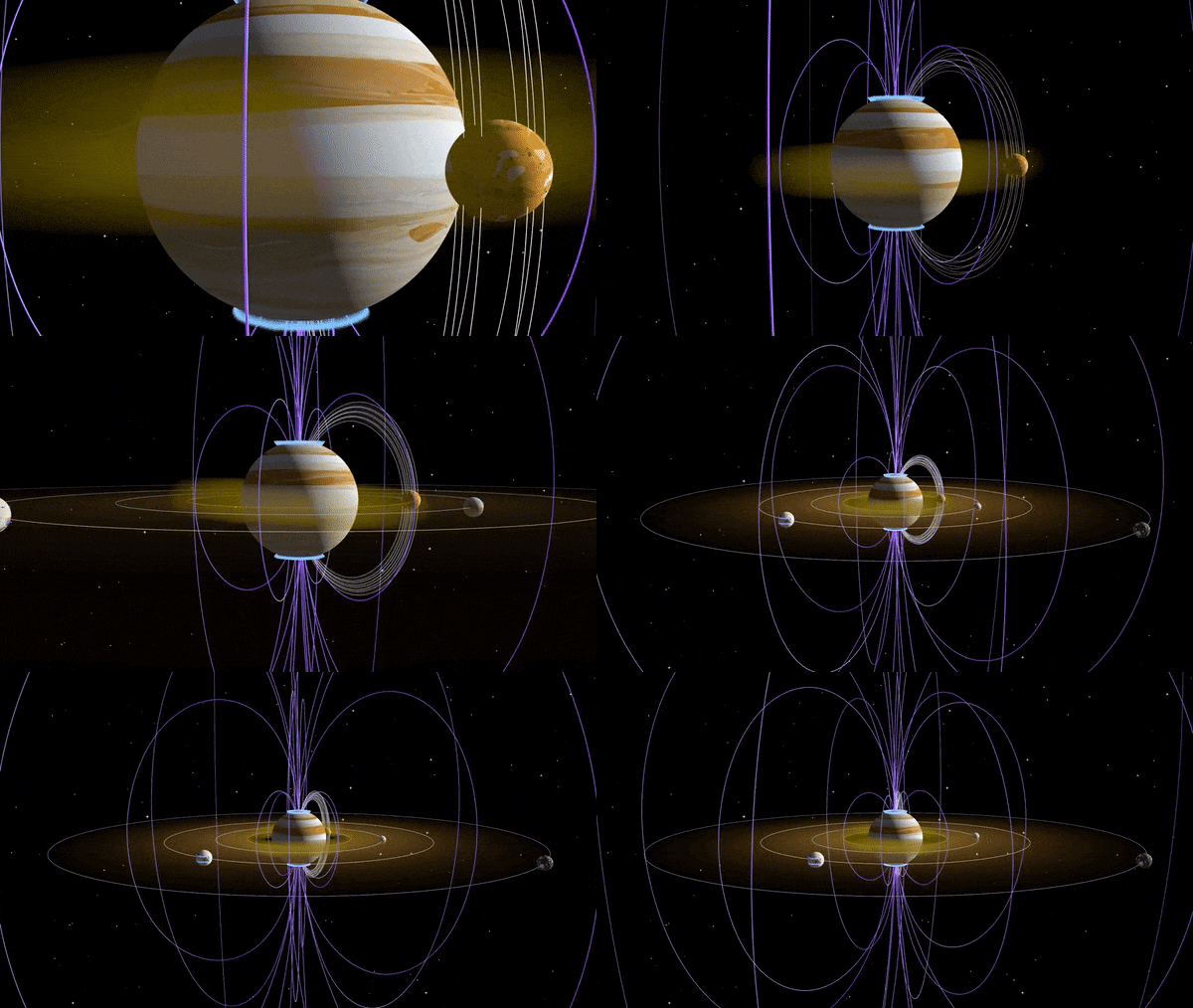
ESA’s Jupiter Icy Moons Explorer, Juice, is headed to the largest structure in the Solar System – not the gas giant itself but the mammoth magnetic field that it generates. Its exact size varies with the solar wind, but Jupiter’s magnetosphere is on average 20 million kilometres across, which is about 150 times wider than its parent planet and almost 15 times the diameter of the Sun. But within that field lurks a clear and present danger to space missions – intense belts of radiation much more energetic and intense than Earth’s own Van Allen belts.


